
Hallstatt culture
Early Iron Age cultural complex of Central Europe (c. 1200–450 BC). Known for salt mines at Hallstatt, rich grave goods, brooch typology, expanding trade with the Mediterranean and a developing social hierarchy.
Overview
The Hallstatt culture is the name given to a broad archaeological horizon in Central Europe that developed during the later Bronze Age and the Early Iron Age. It takes its name from the lakeside site of Hallstatt in present-day Austria, where large cemetery and mining finds first made the culture visible to scholars. Hallstatt communities are best known for richly furnished burials, metalwork of high craftsmanship and increasing long‑distance contacts across Europe and into the Mediterranean.
Image gallery
10 Images



Chronology and classification
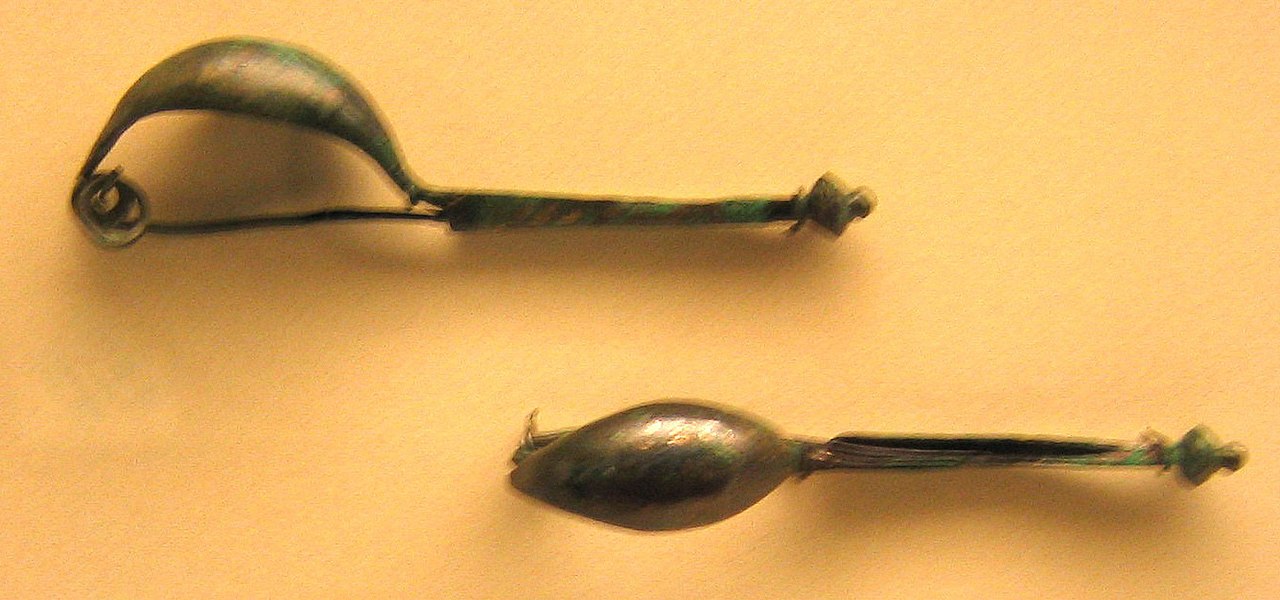
Scholars usually divide the sequence associated with Hallstatt into several phases (often labelled A through D) that span the end of the Bronze Age into the Early Iron Age. The sequence is roughly placed between about 1200 BC and the mid‑first millennium BC, with regional variation in timing and development. One of the most useful dating tools for sites in this tradition is a changing repertoire of personal ornaments and fasteners such as distinctive brooches, which evolved in style and allow relative chronology to be established across many cemeteries.
Geographic extent
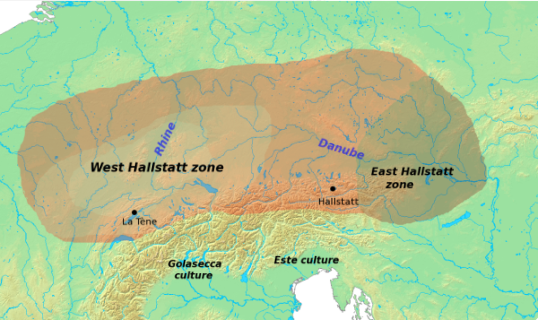
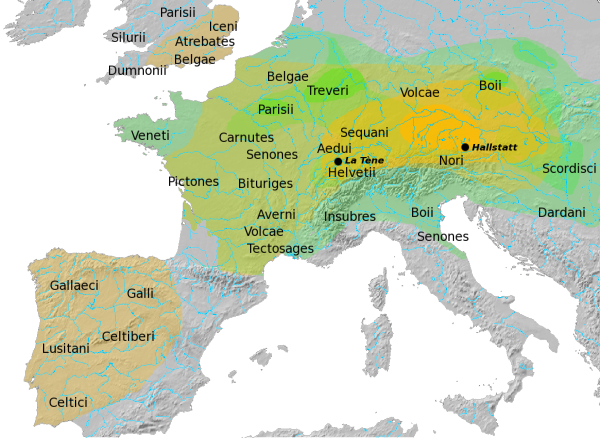
Remains attributable to the Hallstatt horizon are found across a wide swath of central and parts of western and southeastern Europe. Significant concentrations occur in eastern France, Switzerland, southern Germany and throughout Austria. Sites are also known from present‑day Slovenia and Croatia, northwestern Hungary, southwestern Slovakia and southern Moravia. Local traditions and material styles vary, but the shared features of burial practice and metalworking bind the area into a recognisable cultural sphere.
Society and funerary practices
During the Hallstatt period social differentiation became more visible in the archaeological record. Increasing wealth concentrated in a ruling or elite stratum that controlled resources such as land, trade and metalworking. Evidence for this growing hierarchy comes from cemeteries: some graves contain luxury items, weapons and imported products while others are modest. Excavations of burial sites and necropoleis show a shift in funerary customs, with a move from predominantly cremation burials to more inhumation graves and the use of wooden and stone sarcophagi in some areas. The large princely mound at Magdalenenberg is a notable example illustrating high status burial practices and landscape display.
Material culture and economy
Hallstatt communities exploited a wide range of raw materials and crafts. Bronze items continued to be important, reflecting the region's roots in the Bronze Age, but the adoption of iron for tools and weapons progressively altered production and military capacities. Salt mining — famously at the Hallstatt site itself — and control of trade routes helped generate wealth. Long‑distance exchange brought Mediterranean imports, luxury goods and ideas along overland and riverine trade routes, and these foreign items often appear in elite burials. Typical finds at Hallstatt‑affiliated sites include decorated weapons, bronze cauldrons, finely made brooches and imported pottery.
Settlements, landscape and legacy
Settlement patterns ranged from small farmsteads and villages to larger fortified hilltop sites. From the Late Bronze Age into the Hallstatt period population centres sometimes reorganised, with high‑status families building large houses in the countryside as visible seats of power. Funerary and domestic changes — including the decline of widespread cremation in favour of chambered or inhumation graves — mark shifts in belief and social organisation that carried forward into the following La Tène cultural horizon. The Hallstatt phenomenon thus represents a formative phase in northern Mediterranean and Central European prehistory, linking earlier Bronze Age traditions with the more recognisable Iron Age Celtic material culture that followed (see cremation and later burial practices).
- Key dating tool: brooch and metal typology (brooches)
- Important sites: Hallstatt, Magdalenenberg
- Regional spread: France, Switzerland, Germany, Austria, Slovenia, Croatia, Hungary, Slovakia, Moravia
- Economic drivers: legacy of the Bronze Age, transition to iron, control of trade routes
For readers seeking further synthesis or excavation reports, archaeological surveys and regional monographs provide detailed site‑by‑site accounts and updated chronological frameworks. General introductions to the Hallstatt culture are available in standard texts on European prehistory and museum catalogues that illustrate characteristic grave goods and metalwork.
Questions and answers
Q: What is the Hallstatt culture named after?
A: The Hallstatt culture is named after Hallstatt, a city in Austria where the first artifacts were found.
Q: How long did the Hallstatt culture last?
A: The Hallstatt culture lasted from about 1200 BC to about 275 BC.
Q: What are some of the places where sites of the Hallstatt culture have been found?
A: Sites of the Hallstatt culture have been found in the east of France, Switzerland, south Germany, Austria, Slovenia and Croatia, northwestern Hungary, southwestern Slovakia and southern Moravia.
Q: How did social structure change during this time period?
A: During this time period, social structure developed into a hierarchy which can be documented by various things that were added to graves such as at Magdalenenberg.
Q: What happened when iron became available?
A: When iron became available it changed trade routes and allowed for a new upper class to establish itself. Unlike before, this upper class liked to live in big houses in the countryside to show their power.
Q: How did funerary cults change during this time period?
A: Funerary cults changed from cremation burials to burials with sarcophagi during this time period.
Q: Where did people start settling around 2nd millennium BC?
A: People started settling around 2nd millennium BC in areas near or around Mediterranean Sea due to increased wealth used for import goods from there.
Related articles
Author
AlegsaOnline.com Hallstatt culture Leandro Alegsa
URL: https://en.alegsaonline.com/art/41954