
Heritage railway
A heritage railway preserves and operates historic trains and infrastructure for education, tourism, and cultural interest. Also called preserved railways (UK) or tourist railroads (US, Canada).
A heritage railway is a railway operated to preserve, demonstrate and interpret historical railway equipment, infrastructure and practices. In different countries the term varies: it is commonly called a preserved railway in the United Kingdom, and a tourist railroad in the United States and Canada. Such lines are run primarily as attractions and educational resources, often aiming to recreate the look and feel of past railway eras while carrying paying visitors and enthusiasts.
Image gallery
10 Images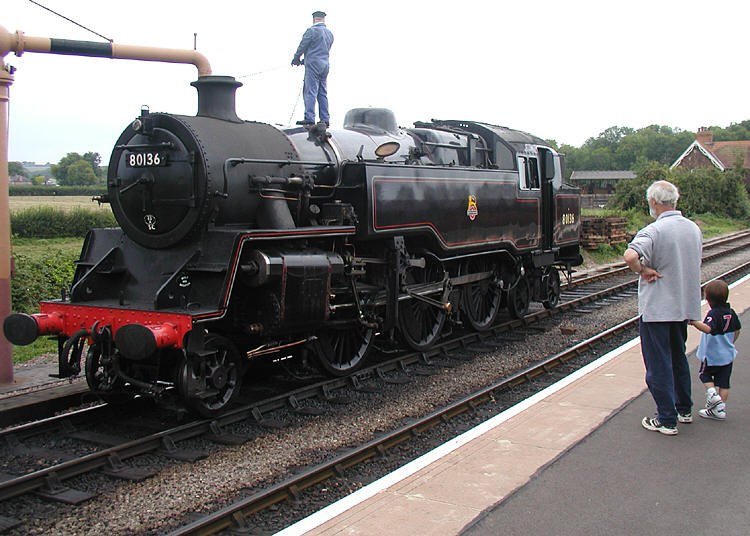


Characteristics
Heritage lines typically operate vintage locomotives and carriages, including steam engines, early diesel locomotives and historic rolling stock. Buildings such as stations, signal boxes and workshops may be restored to period appearance. Many railways are staffed largely by volunteers who handle restoration, operations and visitor services, though some employ professional staff for safety-critical roles. Restoration workshops, interpretive displays and timetable recreations are common features aimed at historical authenticity.
History and development
The modern preservation movement grew in the mid-20th century as regular railway networks shrank and obsolete equipment became available. In some regions, the closure of branch lines prompted local enthusiasts and communities to rescue sections of track and stock for public use. Over decades these initiatives evolved from informal preservation groups into formal charities, trusts or commercial ventures that balance historic interpretation with the practicalities of running a transport operation.
Uses and significance
Heritage railways serve multiple purposes: they provide recreational rides and seasonal events, offer hands-on education about industrial and transport history, and supply unique settings for film and photography. They can generate tourism income for rural areas and foster skills in conservation, engineering and volunteer management. Many railways also work with schools and museums to present living-history experiences that complement written exhibits.
Types and notable distinctions
- Short demonstration lines and museum tramways, typically focused on display and short rides.
- Longer tourist routes that operate scheduled excursions over scenic or historic routes.
- Mainline-certified heritage services that can run on the national network under special arrangements.
- Differences in terminology and regulation between countries: legal frameworks, safety oversight and funding models vary widely.
For many enthusiasts and communities, a heritage railway is both a way to conserve technical heritage and a living attraction that invites the public to experience transport history. Organizations running these lines often publish timetables, host special-event steam galas and collaborate with other cultural institutions to broaden access and ensure long-term preservation. Further practical and visitor information is typically available through dedicated tourism resources and local heritage organizations; see general tourist information and attraction guides for planning visits via tourist attraction resources.
Related articles
Author
AlegsaOnline.com Heritage railway Leandro Alegsa
URL: https://en.alegsaonline.com/art/43779