
Lynching: extrajudicial killing, history, methods, and social impact
Lynching is the extrajudicial killing of people by a group without legal process. This article explains its characteristics, history, notable cases, legal responses, and how societies remember and confront it.
Overview
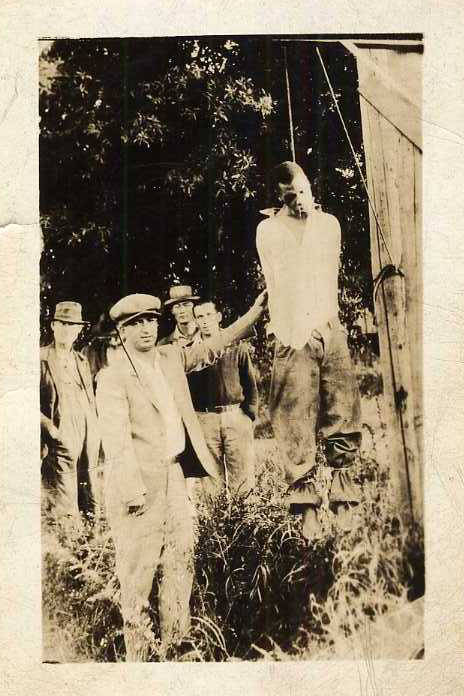
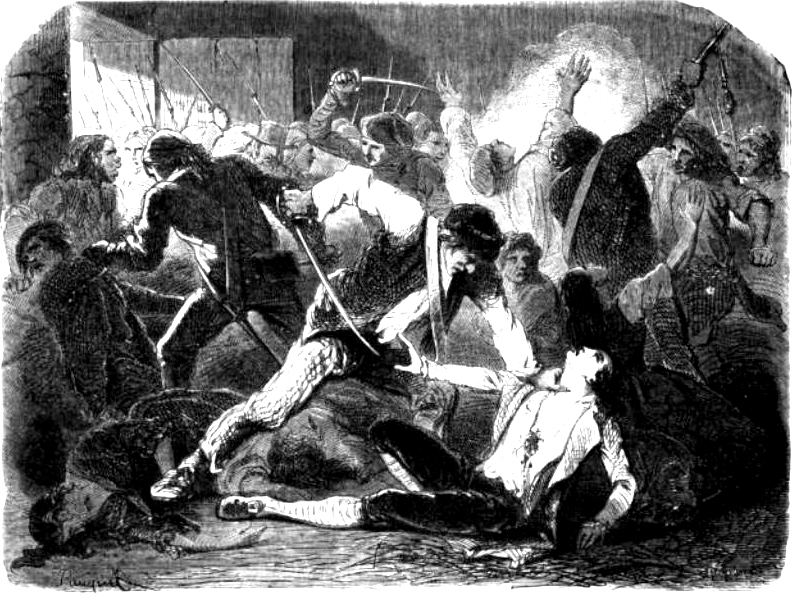
Lynching refers to the killing of an individual or group by a mob or community without lawful authority or a proper court trial. It is an act of extrajudicial violence carried out to punish, intimidate, or control a person or community. While the term most often evokes images of public hangings, lynching can take many forms and has appeared in different places and historical moments around the world.
Image gallery
7 Images



Characteristics and methods
The defining feature of lynching is its extra-legal nature: a group takes punitive action outside formal legal procedures. Common methods historically include hanging, beating, burning, dragging and shooting. These acts frequently took place in public settings and were intended to make a spectacle of punishment and to send a message to the wider population. Victims were often accused without evidence, denied due process, and subjected to humiliation as well as death.
Historical development and geography
Lynching has a long and varied history. In the United States, the practice became particularly notorious in the 19th and early 20th centuries, when it was used as a tool of racial terror primarily against African Americans. After the abolition of slavery, the surge in mob violence sought to enforce racial hierarchy and social control, especially in the American South. Organizations such as the Ku Klux Klan and informal mobs played roles in promoting and carrying out such violence. Prominent campaigns of protest and documentation—led by journalists and activists—helped reveal the scope and brutality of these crimes.
Legal, political, and social responses
Efforts to stop lynching combined local law enforcement actions, national legislation attempts, and public advocacy. Many anti-lynching bills were proposed in the U.S. Congress over decades; some stalled in legislative processes, while recent years have seen renewed legal recognition of lynching as a federal crime. Activists, writers, and investigative reporters such as Ida B. Wells collected testimony and campaigned against lynching, raising public awareness and pressuring officials. Communities and governments have also developed memorials and educational projects to confront the legacy of this violence.
Notable cases, remembrance, and ongoing relevance
Individual incidents drew national attention and shaped public debate about lynching. One widely cited example is the mob killing of Jesse Washington, which illustrated the public spectacle and brutality associated with many lynchings. In the decades since such events, survivors' descendants, historians, and civic organizations have pushed for acknowledgment, apology, and memorialization. Institutions such as museums and memorials document victims and provide context about racism, law, and civil rights.
Distinctions and contemporary context
It is important to distinguish lynching from other forms of violence. While related to vigilantism and mob violence, lynching specifically implies extrajudicial execution carried out by a group with social or political motivations. Today, violence that resembles historical lynching still occurs in various regions and can take the form of targeted killings, hate crimes, or communal retribution. Legal systems, human-rights organizations, and civil-society groups continue to address these acts as crimes that undermine rule of law and community safety.
Responses and lessons
Combating lynching and its legacy involves legal accountability, accurate historical record-keeping, education, and public acknowledgment of past injustices. Memorials, scholarship, and legislative measures contribute to recognizing victims and deterring future extrajudicial violence. Understanding lynching—its causes, methods, and effects—remains a matter of legal, moral, and historical concern in societies confronting inequality and injustice.
- Core feature: extra-legal, mob-executed punishment.
- Common purposes: intimidation, racial or political control, retribution.
- Responses: advocacy, legislation, memorialization, education.
Related articles
Author
AlegsaOnline.com Lynching: extrajudicial killing, history, methods, and social impact Leandro Alegsa
URL: https://en.alegsaonline.com/art/60110
Sources
- randolphcomuseum.org : 1901 lynching
- withoutsanctuary.org : without Sanctuary Picture # 52
- valdostamuseum.com : ValdstroMuseum