
Martial law: definition, features, history and legal issues
Martial law is the temporary imposition of military authority over civilian institutions during extreme emergencies. This article explains its features, legal basis, typical measures, uses, controversies and distinctions.
Martial law is the emergency application of military authority to govern civilian life when ordinary civil institutions cannot maintain order or provide essential public functions. It is usually declared for specific, temporary purposes—such as repelling an invasion, quelling widespread violent unrest, or responding to a large-scale natural disaster—and may replace or supplement normal policing and judicial processes. Where it is invoked, military leaders may assume powers normally held by civilian officials and law enforcement.
Image gallery
5 Images


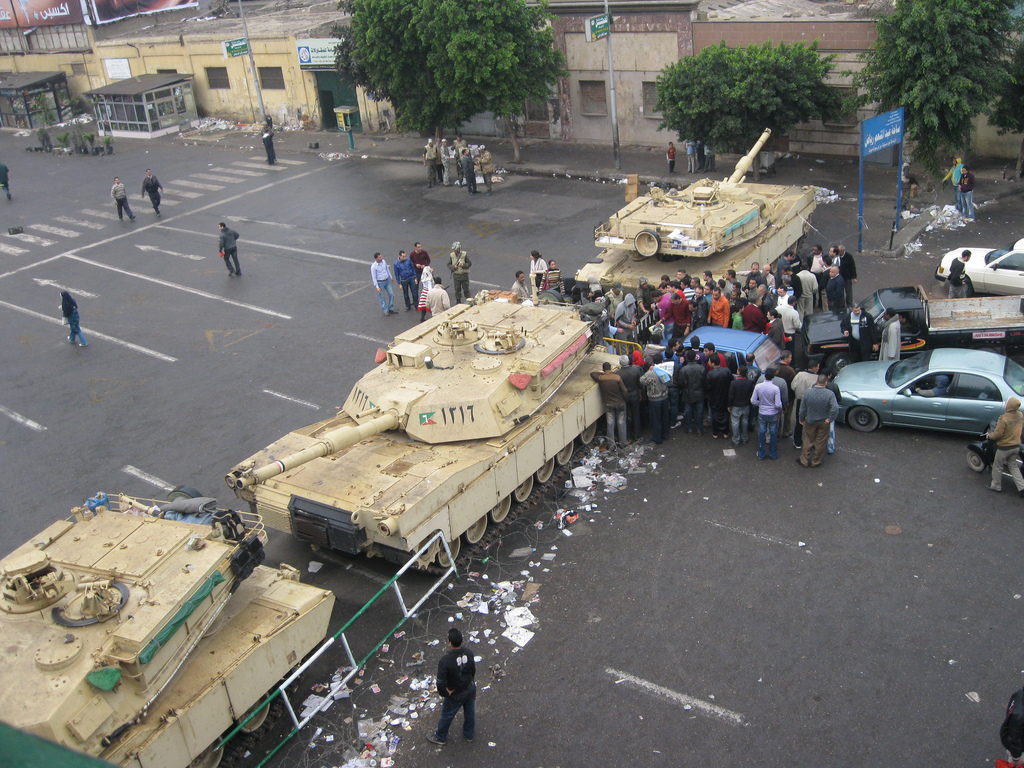
Typical characteristics
- Direct control or supervision by armed forces and senior military authorities.
- Curfews, checkpoints and limits on freedom of movement to restore or maintain public order.
- Suspension or restriction of certain civil liberties, including assembly, expression, or the right to a speedy trial.
- Temporary military tribunals or modified judicial procedures for security-related offenses.
- Deployment of troops to protect infrastructure, prevent looting and secure government buildings.
The specific measures adopted under martial law vary widely. Some declarations are narrowly tailored to a short period; others have historically lasted much longer and sparked legal challenges. The scope often depends on constitutional rules and statutory emergency powers in the affected country.
Legal basis and historical development
Legal frameworks for martial law differ across jurisdictions. Constitutions or emergency statutes may authorize temporary transfers of authority, while courts and legislatures sometimes set limits. Historically, martial law has been invoked during foreign invasion, civil war, or when civilian governance collapses. See general discussions of cases involving foreign invasions, internal disturbances and natural disasters for examples.
Some countries distinguish martial law from a state of emergency: the latter may expand executive powers without placing military officers directly in charge of civilian administration. In other systems, martial law is explicitly defined in law or by precedent; in practice the boundary can be contested in courts and legislatures.
Uses, controversies and limitations
Authorities typically use martial law to re-establish order, protect lives and property, and maintain critical services. Actions often include stopping looting, imposing curfews, and securing key installations. However, martial law raises significant civil‑liberties concerns: indefinite detention without charge, censorship, and use of military force against civilians can lead to abuses. Oversight mechanisms—judicial review, legislative oversight, time limits and international human‑rights obligations—are important safeguards.
For historical and legal overviews consult official summaries and comparative studies via resources on constitutional emergency powers (constitutional law), government procedures (civil authority) and case studies of responses to looting or property crime (property protection) or curfews and movement restrictions (curfew measures).
In modern practice, the decision to impose martial law is shaped by legal limits, public opinion and international scrutiny. Restoring civilian rule, documenting actions taken during the emergency, and ensuring accountability are central to returning to normal governance once the crisis subsides.
Related articles
Author
AlegsaOnline.com Martial law: definition, features, history and legal issues Leandro Alegsa
URL: https://en.alegsaonline.com/art/62327