
Macadamia nut: origin, characteristics, cultivation and uses
A concise overview of the macadamia nut, covering its botanical background, physical traits, cultivation history, culinary uses, nutrition, toxicity to dogs, and practical notes for growers and consumers.
Overview
The macadamia nut is the edible kernel of trees in the genus Macadamia, members of the Proteaceae family native to the eastern coastal rainforests of Australia. Several species occur in the wild, and two species in particular are widely cultivated for their smooth, creamy kernels. Macadamias are valued for their rich, buttery flavor and high oil content and are eaten raw, roasted, or incorporated into sweet and savory recipes.
Image gallery
10 Images



Characteristics
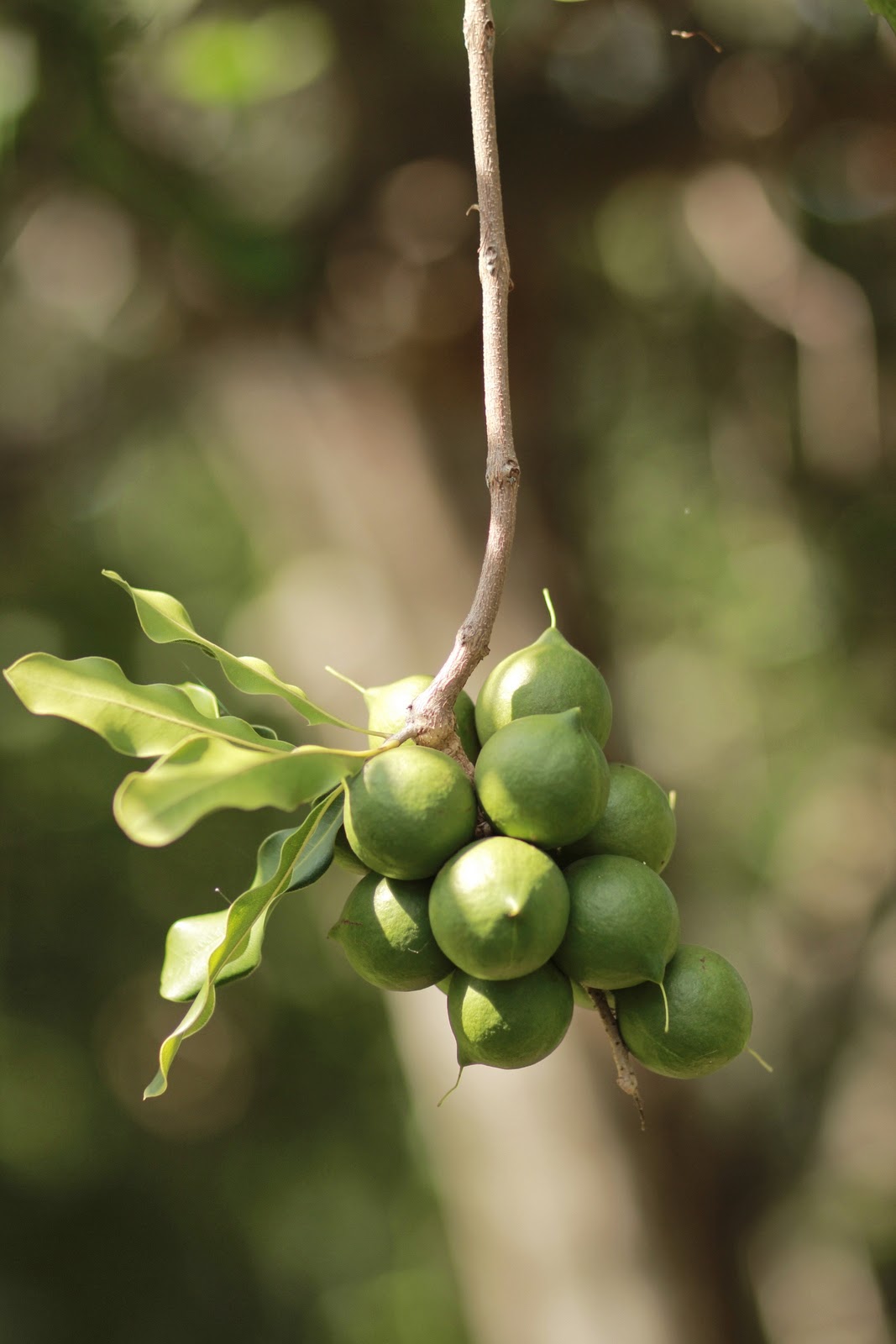
Macadamia trees are evergreen and may reach roughly 25 feet (about 7.6 metres) in height under many conditions, although size varies by variety and management. They produce clusters of small, white flowers that give rise to hard-shelled round fruits. The shell is unusually tough compared with many other tree nuts; cracking often requires mechanical processing. The kernel inside is pale, creamy white to slightly yellow, with a tender, high-fat texture dominated by monounsaturated fats that contribute to the nut's characteristic richness.
History and cultivation
These plants originated in the subtropical rainforests of eastern Australia. The first commercial macadamia orchards were established in Australia in the late 19th century. Commercial cultivation expanded in the early 20th century, notably in Hawaii during the 1920s, and later to other warm regions such as parts of California, Mexico and several countries with suitable subtropical climates. Macadamias prefer well-drained soils and moderate to high rainfall; they flourish in warm, frost-free areas and may be sensitive to waterlogging.
Culinary uses and nutrition
Macadamia kernels are eaten on their own, roasted or raw, and are a common ingredient in confections, baked goods and savory dishes. They appear in cookies, chocolates, pastries, salads and as a garnish or ingredient in sauces and grain dishes. Macadamia oil is used in cooking and cosmetics for its mild flavor and stability. Nutritionally, macadamias are energy-dense and relatively high in fats, with a large proportion of monounsaturated fatty acids; they also supply small amounts of protein, fiber and micronutrients.
Safety, pests and notable facts
Although macadamias are safe for human consumption for most people, they are toxic to dogs; ingestion can produce weakness, vomiting and other signs, typically resolving within 24–48 hours with care. Cultivation considerations include the tree's slow to moderate growth rate, the long juvenile period before first substantial harvests, the need for appropriate soil drainage and protection from severe frost and wind. The extremely hard shell historically limited home cracking, encouraging the development of specialized commercial processing equipment.
Further resources
The following links offer supplementary information and practical resources for readers seeking more detail:
- Botanical overview and species list
- Native range and habitats
- Australian origins and ecology
- Edible varieties and food uses
- Evergreen growth habit
- Flower structure and pollination
- Soil and drainage requirements
- Flavor profile and culinary notes
- Baking and confectionery recipes
- Pastry and dessert uses
- Professional pastry and bakery guidance
- Confectionery and chocolate pairing
- Comparisons with other tree nuts
- Culinary substitutions and techniques
- Regional cooking traditions
- History of commercial orchards
- Orchard establishment and management
- Hawaii's role in early commercial production
- Cultivation in California and similar climates
- Production in Mexico and other regions
- Suitability for warm climates
- Toxicity information for pets
- Advice for veterinarians and pet owners
- Proteaceae family context and related plants
Questions and answers
Q: What is a macadamia nut?
A: The macadamia nut is the fruit of a tree that first came from the east coast of Australia. It has a creamy white color and a flavor that many people like.
Q: Where does the macadamia tree grow best?
A: The macadamia tree grows best in subtropical (wet and always warm) climates with well-drained soil and 40 to 100 inches (1,000 to 2,500 mm) of rain a year.
Q: How tall can the macadamia tree grow?
A: The macadamia tree can grow up to 25 feet (7.6 metres) high.
Q: What are some ways people use macadamias?
A: People eat roasted (cooked) macadamias by themselves, as well as using them in cookies, cakes, pastries, and candies. They also use them like almonds and cashews as part of cooked meals in an Oriental style of cooking.
Q: When did commercial production for Macadamias start?
A: Commercial production for Macadamias started in Australia in the late 1880s and later spread to Hawaii during the 1920s before spreading to California, Mexico, and other places with warm climate.
Q: Is it safe for dogs to eat Macadamias?
A: No - Macdamia nuts are poisonous to dogs so they should not be eaten by them. A dog usually needs 24 to 48 hours to recover fully after eating Macdamia nuts if they do consume any accidentally.
Q: What family does the plant belong too?
A:The plant belongs too the Proteaceae family of flowering plants
Related articles
Author
AlegsaOnline.com Macadamia nut: origin, characteristics, cultivation and uses Leandro Alegsa
URL: https://en.alegsaonline.com/art/60267
Sources
- aspcapro.org : "Treacherous Treats – Macadamia Nuts"