
Upper Egypt: geography, history, and cultural significance
Upper Egypt is the southern Nile valley region of Egypt, known from antiquity for its nomes, the city of Thebes, distinctive crown and symbols, and its role in pharaonic history and Egyptian culture.
Overview
Upper Egypt denotes the long, narrow stretch of river valley and adjacent floodplain that runs south to north along the Nile from the First Cataract around Aswan northward toward the area just south of modern Cairo. Because the Nile flows north, the upper reaches of the river lie to the south; this geographic orientation is the origin of the names Upper and Lower Egypt. In some modern and historical usages the northern portion of Upper Egypt, between El-Aiyat and Asyut, is described as Middle Egypt.
Image gallery
10 Images

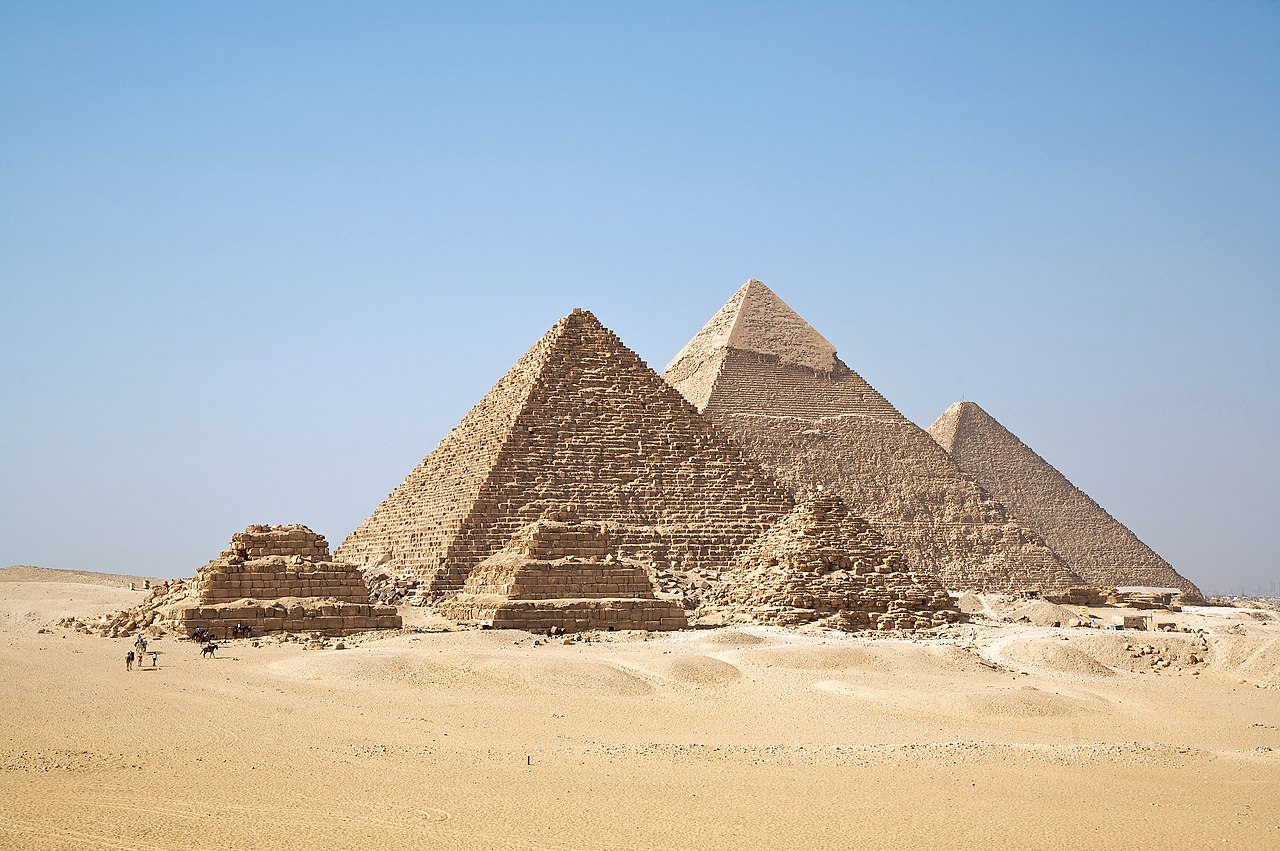


Geography and characteristics
The region is essentially a ribbon of fertile land on both banks of the Nile surrounded by desert. Annual floods and irrigation made the valley highly productive for cereal, flax and other crops, while the surrounding deserts provided stone and mineral resources. The First Cataract near Aswan long marked a frontier with Nubia to the south and a source of granite used in temples and monuments. Settlements and sacred sites clustered along the river; beyond the cultivated strip, population density fell away quickly.
Administrative divisions and symbols
In pharaonic times Upper Egypt was subdivided into administrative districts called nomes; ancient lists typically count twenty-two nomes in Upper Egypt. These nomes played an important role in local administration, religion and taxation. The region was traditionally personified and recognized by visual emblems: the White Crown (Hedjet) represented Upper Egypt in royal regalia and iconography, and the flowering lotus was a common regional symbol. The land itself was known in Egyptian as Ta Shemau, often translated as "land of reeds." For more on the nome system see nomes. The White Crown is discussed under Hedjet and the regional emblem under symbol and the lotus.
History and development
Human occupation of Upper Egypt dates to the prehistoric Nile communities that developed along the river. During the Predynastic and early dynastic periods the two regions of Upper and Lower Egypt were politically distinct but closely linked by trade and cultural ties. The unification of the two lands under a single ruler—commonly dated to around 3100 BCE—set the framework for the pharaonic state. Throughout Egypt's long pharaonic history the city of Thebes (modern Luxor) became a major religious and administrative center and often served as the capital of rulers who dominated Upper Egypt and sometimes all of Egypt; see Thebes for its monuments and temples.
Economy, culture and importance
Upper Egypt supplied much of the grain, flax and pottery that sustained the ancient Egyptian economy and contributed skilled labor and craftsmen for temple construction. Quarrying, especially for granite near Aswan, and the building of monumental temple complexes such as those clustered at Karnak and Luxor, reinforced the region's economic and ritual importance. Religious traditions, local patron deities and funerary practices from Upper Egypt had wide influence across the pharaonic state.
Distinctive features and later history
- Directional identity: "Upper" refers to the Nile's upstream (southern) position, not latitude.
- Political symbols: the Hedjet (white crown) contrasted with the Red Crown of Lower Egypt; together they formed the Double Crown of unified rule.
- Cultural legacy: many of ancient Egypt's best-known monuments and archaeological remains are concentrated in Upper Egypt, making it central to modern understanding of pharaonic civilization.
Over millennia the population and political character of Upper Egypt changed with periods of foreign rule, internal division and migration. In the Islamic and modern eras it remains a distinct cultural and geographic subregion of Egypt with its own local traditions and challenges. For further reading about places, administration and symbols see the linked entries above.
Questions and answers
Q: What is Upper Egypt?
A: Upper Egypt is a narrow strip of land on both sides of the Nile that extends from modern-day Aswan to the area south of modern-day Cairo.
Q: What is the northern part of Upper Egypt sometimes called?
A: The northern part of Upper Egypt, between El-Aiyat and Asyut, is sometimes called Middle Egypt.
Q: What was Upper Egypt known as in ancient times?
A: Upper Egypt was known as Ta Shemau which means "the land of reeds."
Q: How many districts were in Upper Egypt?
A: Upper Egypt was divided into twenty-two districts called nomes.
Q: Where was the first and last nome of Upper Egypt located?
A: The first nome was roughly where modern Aswan is and the twenty-second was at modern Atfih (Aphroditopolis), just to the south of Cairo.
Q: What was the administrative centre of Upper Egypt for most of pharaonic Egypt's history?
A: For most of pharaonic Egypt's history, Thebes was the administrative centre of Upper Egypt.
Q: What was the symbol of Upper Egypt?
A: Upper Egypt was represented by the tall White Crown Hedjet, and its symbol was the flowering lotus.
Related articles
Author
AlegsaOnline.com Upper Egypt: geography, history, and cultural significance Leandro Alegsa
URL: https://en.alegsaonline.com/art/103484