
Lower East Side, Manhattan
Neighborhood in southeastern Manhattan long known as an immigrant gateway. Historically dense tenements and working‑class life; today a mix of preserved sites, cultural institutions, new development and diverse communities.
The Lower East Side is a neighborhood on the southeastern edge of New York City that occupies part of the borough of Manhattan. Its informal boundaries include streets such as Allen, Essex, Eldridge, Grand, Canal and East Houston; the exact limits change depending on historical or planning maps. The neighborhood developed as a port‑area residential quarter and for more than a century has been associated with successive waves of immigration, small businesses, and dense urban housing.
Image gallery
10 Images


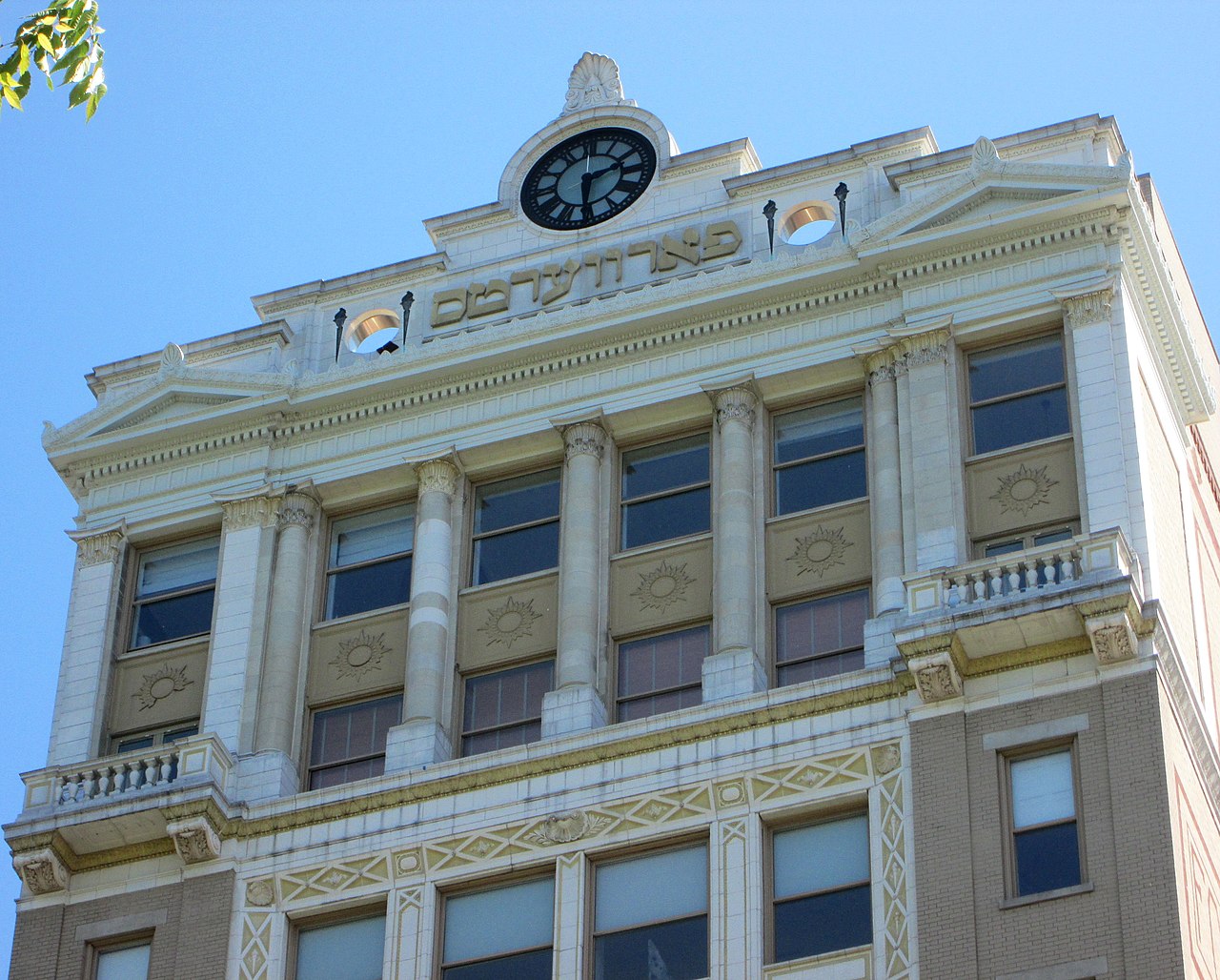

Historical development
From the early 19th century onward the area grew rapidly as migrants arrived in New York. In the mid‑1800s many newcomers came from places such as Ireland and Germany. Later, particularly in the late 19th and early 20th century, the neighborhood became a primary destination for immigrants from Eastern Europe, including large Jewish communities who established synagogues, shops and cultural institutions. Housing was frequently in tenement buildings and other crowded dwellings; contemporary observers and later historians note that the neighborhood’s population density was among the highest in the city at that time.
Character and architecture
Architecturally the Lower East Side is known for its tenement rows, walk‑up apartment buildings, and small commercial storefronts. Many original tenement structures were altered, demolished or replaced during 20th‑century public housing programs and urban renewal. Some streets still retain narrow lot lines, fire escapes and freight entrances that reflect the area’s industrial‑residential past. Efforts to document and interpret this heritage are visible in museums and preserved sites that interpret immigrant life and housing conditions.
Demographics, culture and economy
The neighborhood’s population has changed repeatedly. After the Eastern European wave, later 20th‑century arrivals included Puerto Ricans and other Latin American groups; more recently, communities from the Dominican Republic and from China have been important parts of the local mix. Today the Lower East Side combines longtime family‑owned businesses, cultural venues, restaurants, and new residential development. Small arts organizations, galleries, and venues contribute to its reputation for lively cultural life.
Change, preservation and significance
During the late 20th and early 21st centuries parts of the Lower East Side have experienced significant renovation, rising property values, and the arrival of new restaurants and shops. This process has prompted discussions about gentrification, displacement, and what to preserve. Local and national preservation groups, neighborhood organizations, and public institutions have worked to save representative buildings and to interpret the immigrant history of the area; examples include neighborhood museums and landmarked structures that highlight housing, labor and everyday life.
Boundaries, landmarks and practical notes
Exact boundaries are debated by planners and residents, but common reference points are Canal Street to the south and East Houston to the north. Visitors and residents find a mix of historic businesses, newer boutiques and cultural sites — from longtime delis and markets to museums that tell the story of immigrant life. For general context, municipal and cultural resources about the neighborhood are available through city planning documents and local institutions; for introductions see municipal and cultural pages linked below.
- New York City overview pages often include neighborhood profiles.
- Information about the local borough and planning initiatives can be found on official borough resources.
- Historical surveys and maps of Manhattan provide context for the Lower East Side’s development.
- Writings on the area’s working‑class origins and labor history reference its working-class character.
- Accounts of tenement life and reform discuss the area’s reputation for slums and overcrowding in earlier eras.
This article gives an overview of the Lower East Side’s identity as a dynamic, historically immigrant neighborhood whose layers of housing, culture and commerce continue to evolve. For detailed historical narratives, neighborhood organizations and museums provide primary sources and exhibitions that explore its complex past and present.
Related articles
Author
AlegsaOnline.com Lower East Side, Manhattan Leandro Alegsa
URL: https://en.alegsaonline.com/art/59595