
Luanda, Capital and Largest City of Angola
Luanda is Angola's principal city and Atlantic port, founded by the Portuguese in 1575. It is the country's political, economic and cultural center, shaped by colonial history and decades of conflict.
Luanda is the capital and largest city of Angola, situated on the coast of the Atlantic Ocean. It functions as the country’s main maritime gateway and a focal point for trade, government and cultural life. The city serves as a hub for industry, services and transportation while also reflecting wide social contrasts between affluent districts and extensive informal settlements.
Image gallery
10 Images
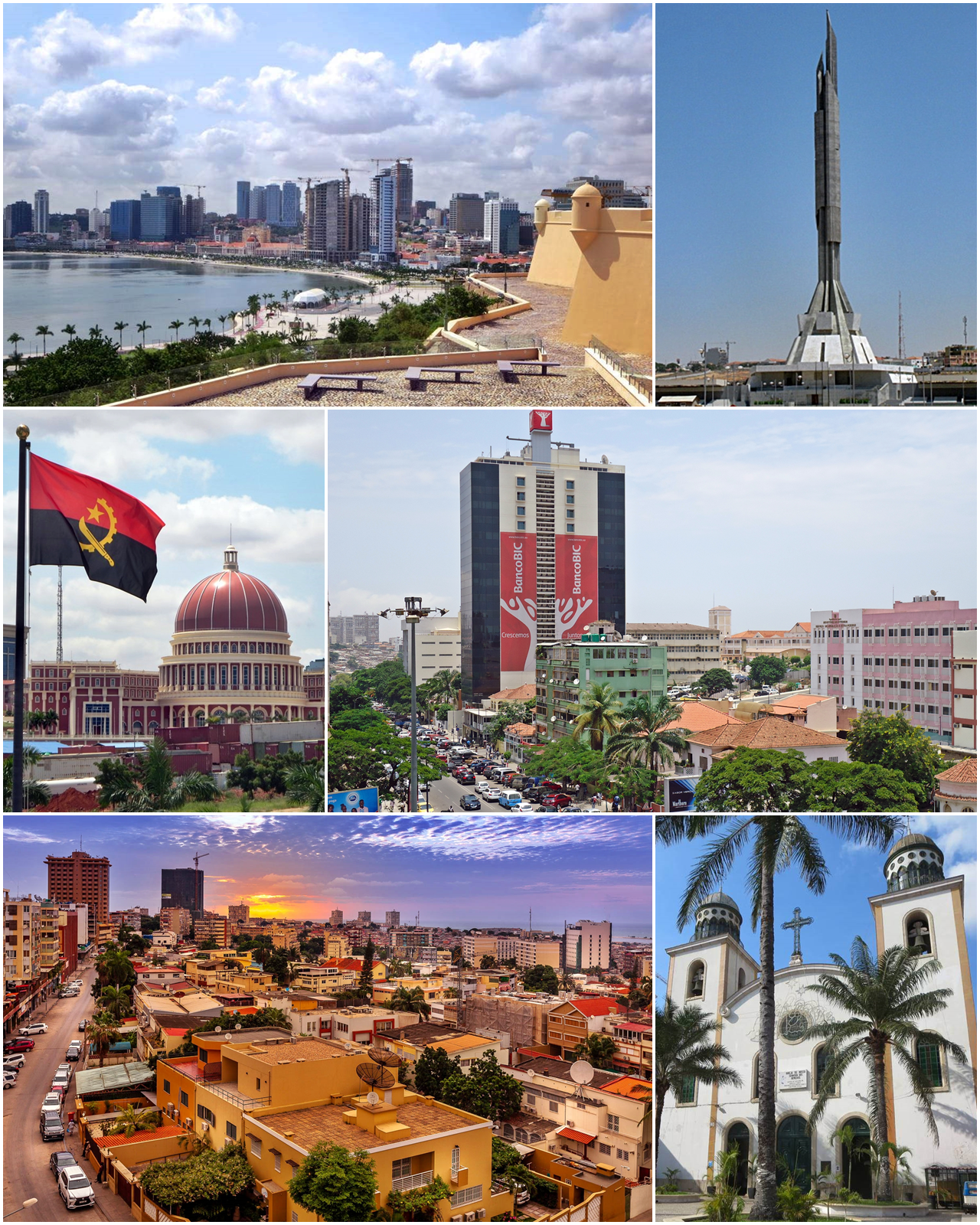


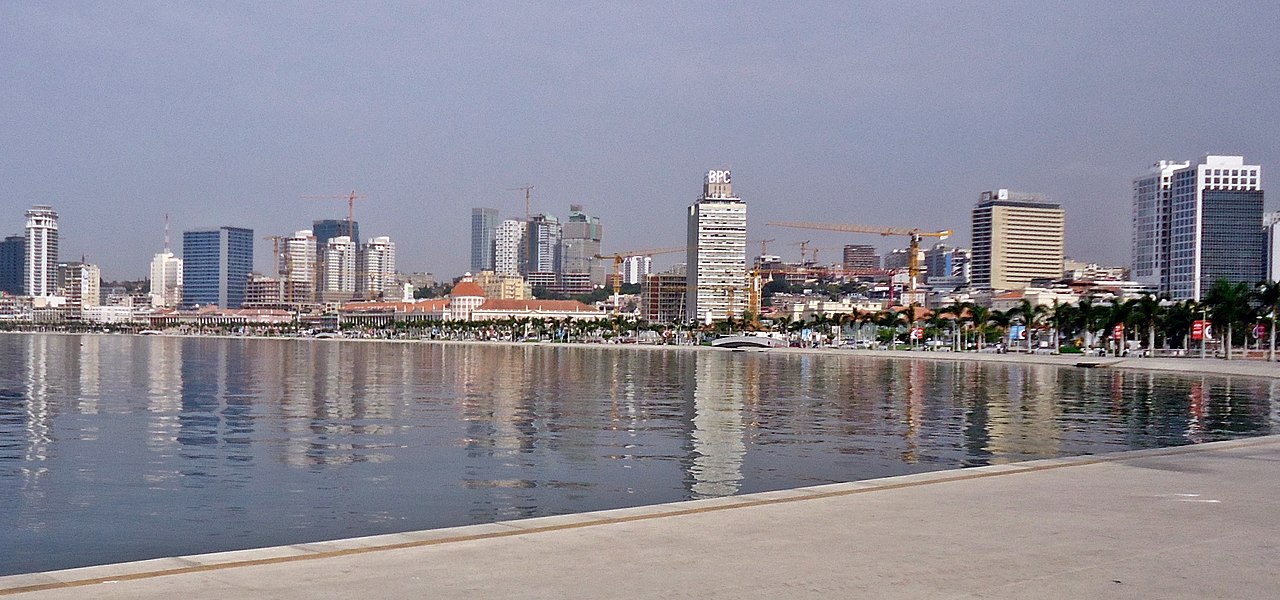
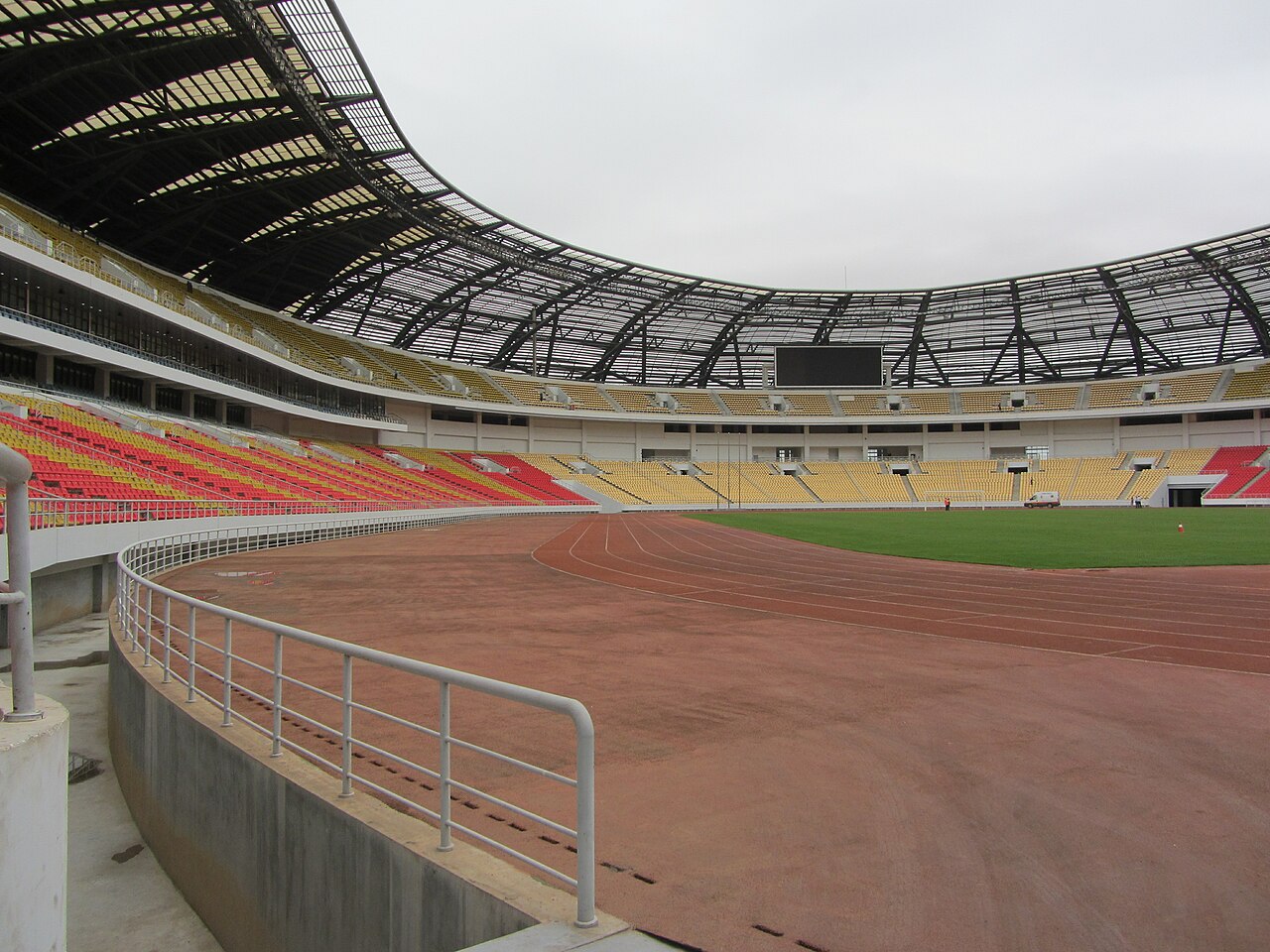


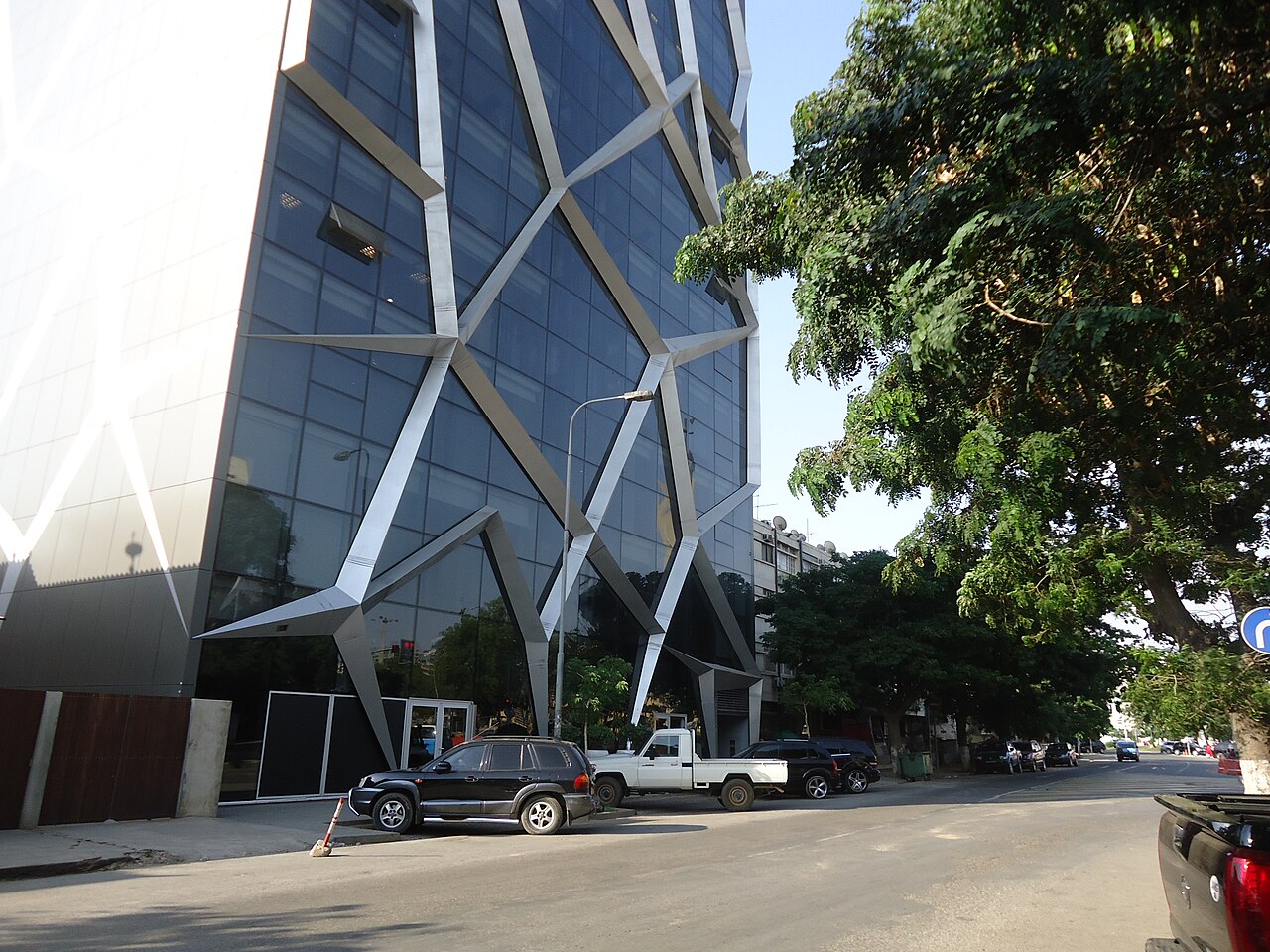
History and development
Luanda was established by Portuguese settlers in 1575 under the name São Paulo de Luanda. It became the principal administrative center for the colony by 1627, though control briefly shifted during the period 1640–1648. Over centuries the city grew as a port and trading post, its architecture and institutions shaped by colonial governance and commerce. After Angolan independence in 1975, Luanda continued as the national capital.
Economy and infrastructure
Luanda is an economic center with activities including shipping, refining, manufacturing and services. The offshore oil industry makes the region strategically important, while the port handles a large share of the nation’s imports and exports. Reconstruction and investment have followed the end of prolonged internal conflict, but infrastructure development remains uneven.
Urban character and challenges
The city is marked by contrasts: modern high-rises and commercial districts stand near older colonial neighborhoods and sprawling informal settlements often called musseques. Rapid population growth has placed pressure on housing, transport and public services. Decades of civil war and instability have damaged facilities and complicated urban planning; ongoing efforts focus on rehabilitation and improving living standards after the civil conflict that affected the nation for many years (see civil war).
Notable facts and contemporary role
- Luanda remains the political center of Angola and the seat of national institutions.
- The port and associated logistics are vital to the country’s economy and external trade.
- The city plays a leading role in Angolan culture, hosting museums, theatres and festivals that reflect a blend of African and Portuguese influences.
Visitors and analysts often note Luanda’s fast-paced commercial life alongside persistent development needs. For further general background and statistical updates consult national sources and reputable overviews linked here: country profile, coastline and ports, and historical summaries at colonial history, founding date, administrative history, 1640 events, 1648 events, and independence.
Related articles
Author
AlegsaOnline.com Luanda, Capital and Largest City of Angola Leandro Alegsa
URL: https://en.alegsaonline.com/art/59644
Sources
- citypopulation.de : "Archived copy" · web.archive.org