
Lower West Side (Pilsen), Chicago
Overview of Chicago’s Lower West Side (Pilsen): location, history, Mexican-American culture, landmarks such as the National Museum of Mexican Art, demographics, community life, and development issues.

Overview
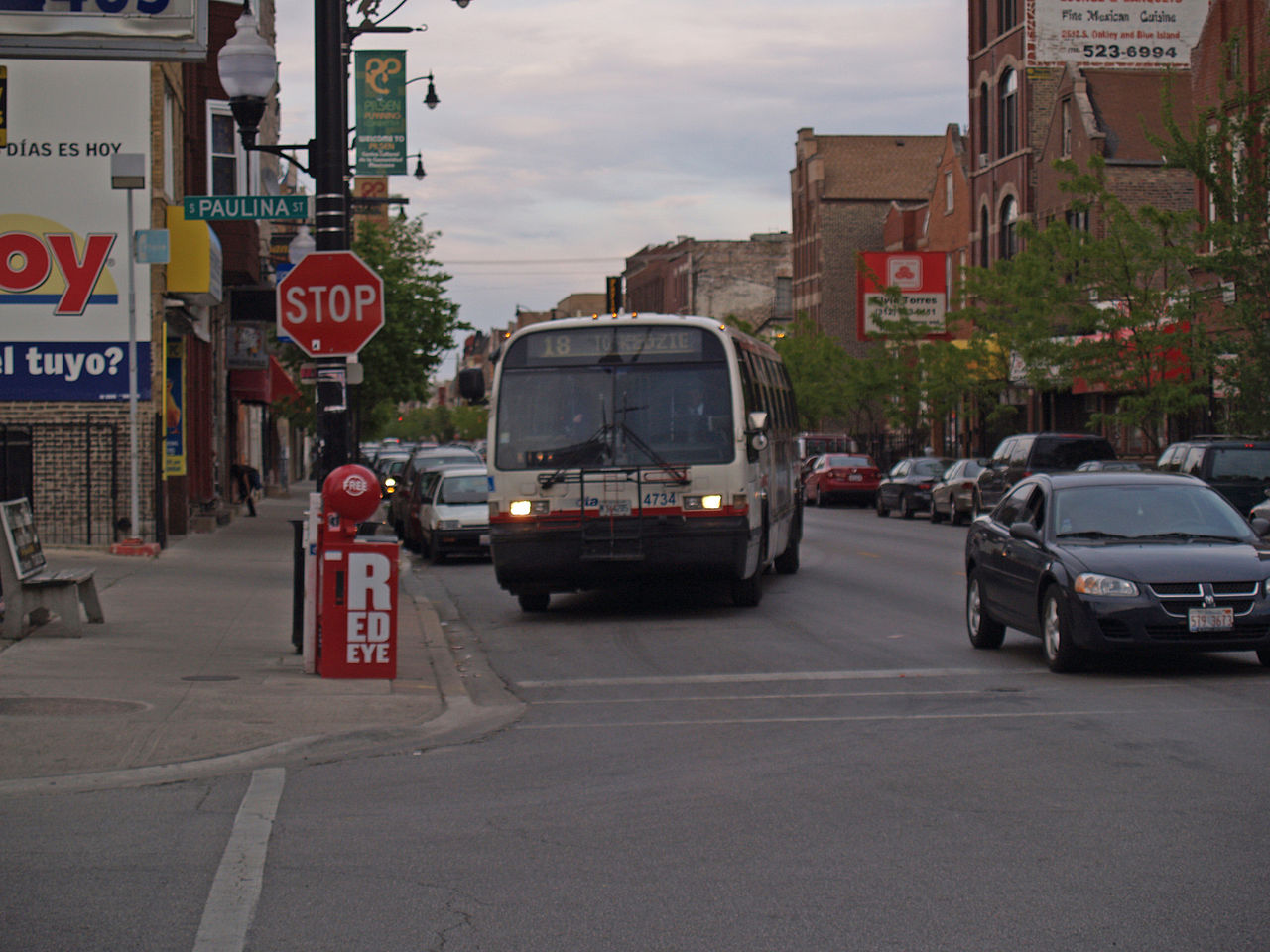
The Lower West Side is one of Chicago’s 77 community areas, located on the city’s West Side roughly three miles southwest of the Chicago Loop. Its best-known neighborhood is Pilsen, which gives the area much of its cultural identity. The community area lies within the municipal boundaries of Chicago in Illinois, United States, and it is served by a mix of surface transit and regional rail that links the neighborhood to the central city and nearby districts.
Image gallery
3 Images

History
The Lower West Side developed in the late 19th and early 20th centuries as industry, rail yards, and manufacturing plants attracted workers and families. Over time successive immigrant waves settled here. In the mid-20th century Pilsen became predominantly Mexican American; a notable increase in Latino residents began in the 1950s and accelerated in the 1960s, reshaping commercial streets, religious institutions, and public life. Many traditions, institutions, and businesses established during that period remain important to neighborhood identity.
Culture and institutions
Pilsen is widely recognized for its murals, galleries, and strong visual arts presence. The National Museum of Mexican Art is a major cultural anchor, hosting exhibitions, educational programs, and events that reflect Mexican and Mexican-American history and contemporary practice. Local churches, community centers, and nonprofit organizations also support cultural transmission, language programs, and youth services. For information about community activities and services, local organizations and municipal resources provide guides and calendars of events (community resources).
Built environment and landmarks
The neighborhood contains dense blocks of historic brick rowhouses, former industrial buildings adapted for studios or small manufacturers, and commercial corridors with restaurants, bakeries, and markets. Public murals and corridor art commemorate local history and cultural icons, while parks and community gardens offer green space amid urban blocks.
Contemporary issues
The Lower West Side faces changing economic and development pressures. Renovation and new construction have brought investment but also concerns about rising property values, displacement, and the preservation of long-established cultural spaces. Local residents, advocacy groups, and city planning bodies have engaged in discussions about affordable housing, landmark designation for cultural sites, and policies intended to balance new development with community needs. The neighborhood continues to be shaped by a mix of longtime residents, newer arrivals, artists, and small-business owners who maintain and reinterpret Pilsen’s cultural traditions.
Community life
Annual festivals, parades, and street-level cultural programming draw visitors and sustain community ties. Local markets, family-run businesses, and grassroots organizations remain central to everyday life, offering services, foodways, and social networks that reflect the area’s Mexican-American heritage and ongoing cultural evolution.
Related articles
Author
AlegsaOnline.com Lower West Side (Pilsen), Chicago Leandro Alegsa
URL: https://en.alegsaonline.com/art/59609