
Lowell Mason: American Composer and Pioneer of Music Education
Lowell Mason (1792–1872) was a leading American church music composer and the first major figure in U.S. music education, known for hundreds of hymn tunes and for introducing music into public schools.

Lowell Mason (January 8, 1792 – August 11, 1872) was a central figure in 19th‑century American church music and education. Trained informally in New England musical traditions, he became best known for composing and arranging a very large number of hymn tunes and for promoting systematic singing instruction in schools and churches.
Image gallery
3 Images

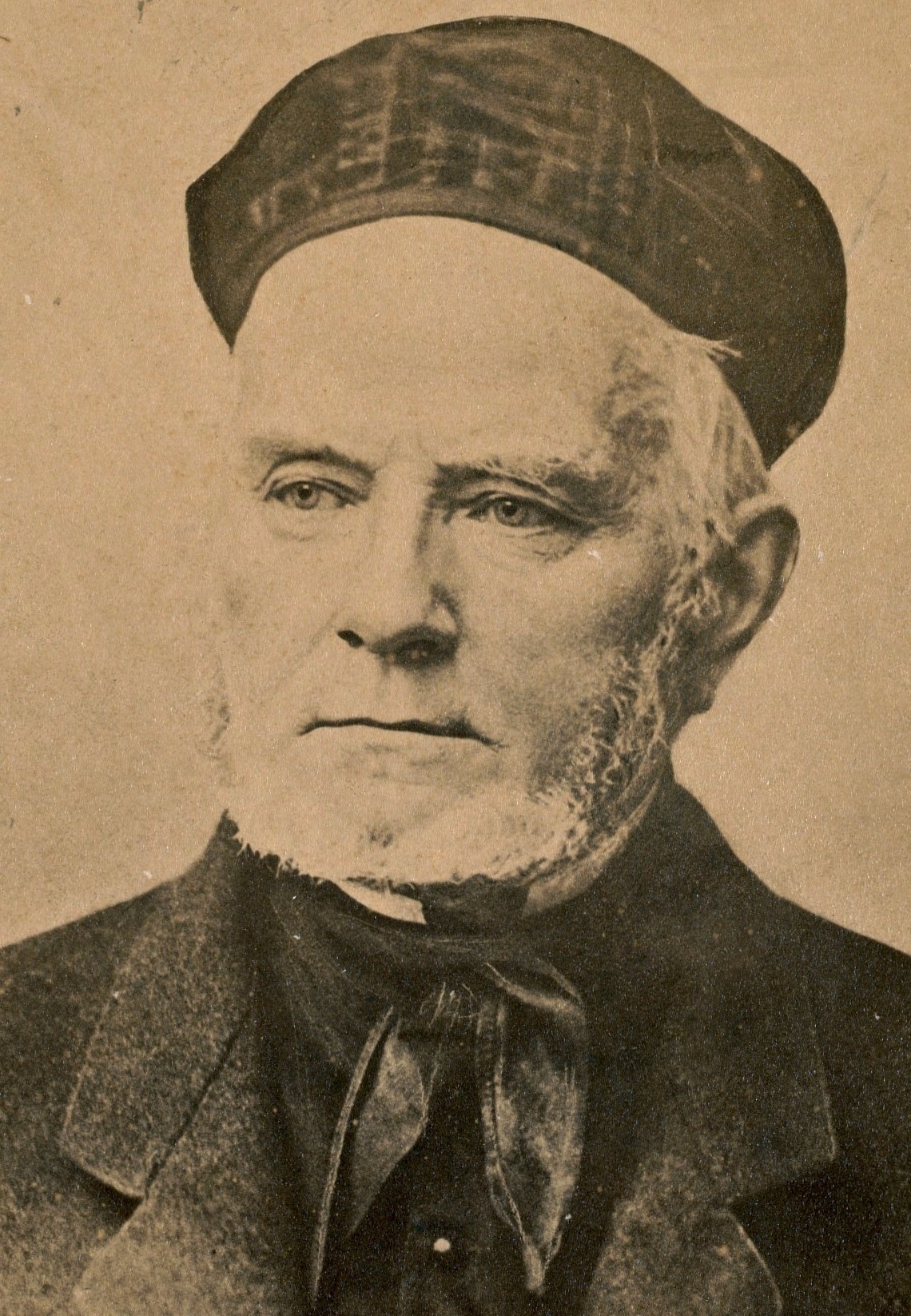
Life and career
Mason was born in Medfield, Massachusetts and later worked principally in Boston, where his efforts to improve congregational singing and to professionalize musical practice won wide attention. In his later years he lived and died in Orange, New Jersey. His career bridged the informal singing‑school tradition and a more formal classroom approach to music.
Works and musical style
Over his lifetime Mason published and composed prolifically — well over a thousand hymn tunes and many arrangements — drawing on European hymnody, Protestant psalmody, and the emerging American congregational style. He is often credited with the familiar harmonization and public adoption of carols and hymns, including an arrangement of "Joy to the World" and the tune known as "Bethany" for the hymn "Nearer, My God, to Thee." Many of his melodies and settings remain in use in 21st‑century hymnals.
Contributions to music education
Mason is widely regarded as the first important music educator in the United States. He advocated for structured vocal instruction in public schools, helped establish regular music classes, and promoted teacher training and graded materials. His reforms helped shift American practice from private singing schools to music being part of general education — a development often summarized under the topic of music in public schools and American music education.
Notable works and influence
- Extensive hymn and psalm collections used by congregations across denominations.
- Hymn tunes and harmonizations still found in many traditional hymnals.
- Arrangements and editorial work that standardized congregational singing and repertoire.
Beyond his compositions, Mason's organizational activity — editing hymnals, publishing teaching manuals, and organizing choirs — had lasting effects on both sacred music and classroom practice. Scholars and church musicians study his work to understand the formation of American Protestant musical identity and the early development of public music instruction (church music history).
Today Mason is remembered as both a prolific composer and an educator whose practical reforms brought singing into common school curricula and whose melodies remain part of many worship traditions. His life links the early republic's informal musical practices with the modern institutions of American music education and congregational song.
Related articles
Author
AlegsaOnline.com Lowell Mason: American Composer and Pioneer of Music Education Leandro Alegsa
URL: https://en.alegsaonline.com/art/59587
Sources
- michaelpratt.wordpress.com : "A Biography of Lowell Mason: The Father of American Music"
- allmusic.com : "Lowell Mason"