
Luchino Visconti: Italian director of neorealism and epic cinema
Overview of Luchino Visconti (1906–1976), an Italian count who became a leading theatre, opera and film director known for neorealist works and lavish literary adaptations.
Luchino Visconti di Modrone (2 November 1906 – 17 March 1976) was an Italian aristocrat who became one of the country's most influential directors for stage, opera and cinema. He moved between intimate, socially engaged films and grand, meticulously staged historical pictures. His career bridged the neorealist movement of the 1940s and the sumptuous literary adaptations of the 1950s–1970s.
Image gallery
8 Images


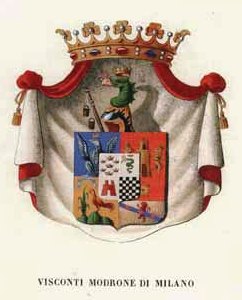
Early life and theatrical roots
Born into the Milanese Visconti di Modrone family, Visconti initially trained in theatre and opera direction. He developed a taste for detailed mise-en-scène and music-driven storytelling that would shape both his stage productions and his films. His aristocratic background and leftist political convictions frequently created a tension that appears throughout his work.
Cinematic phases and style
Visconti's cinema can be divided broadly into two phases. In the 1940s he helped pioneer Italian neorealism, making films that focused on working-class life and social conditions, often using location shooting and nonprofessional actors. From the 1950s onward he turned to more elaborate productions: literary adaptations and historical dramas notable for their rich visual detail, long takes, and operatic sense of rhythm.
Major works
- Ossessione (1943) — an early, raw film often linked with neorealist beginnings
- La terra trema (1948) — a Sicilian drama filmed with local nonprofessional actors
- Senso (1954) — a period melodrama
- Rocco and His Brothers (1960) — an urban family tragedy
- The Leopard (1963) — a grand adaptation of Giuseppe Tomasi di Lampedusa's novel
- Death in Venice (1971) — an austere, music-infused adaptation of Thomas Mann
Themes, collaborations and legacy
Visconti's films frequently examine social change, decadence, class conflict and the passage of time. He collaborated with prominent actors and designers, and his background in opera influenced his use of music, framing and dramatic pacing. Today he is remembered both for helping to found neorealism and for elevating literary and historical cinema with an unmistakable visual signature.
Death and posthumous recognition: Visconti died of a stroke on 17 March 1976 in Rome. He left a diverse body of work that continues to be studied for its formal rigor, political subtext and contribution to film and theatre history.
Related articles
Author
AlegsaOnline.com Luchino Visconti: Italian director of neorealism and epic cinema Leandro Alegsa
URL: https://en.alegsaonline.com/art/59698