
Luca Signorelli: Italian Renaissance Painter and Master of Anatomy
Luca Signorelli (c.1441–1445–1523) was an Italian Renaissance painter known for powerful figural compositions, dramatic perspective and the celebrated Last Judgment frescoes in Orvieto Cathedral.
Overview
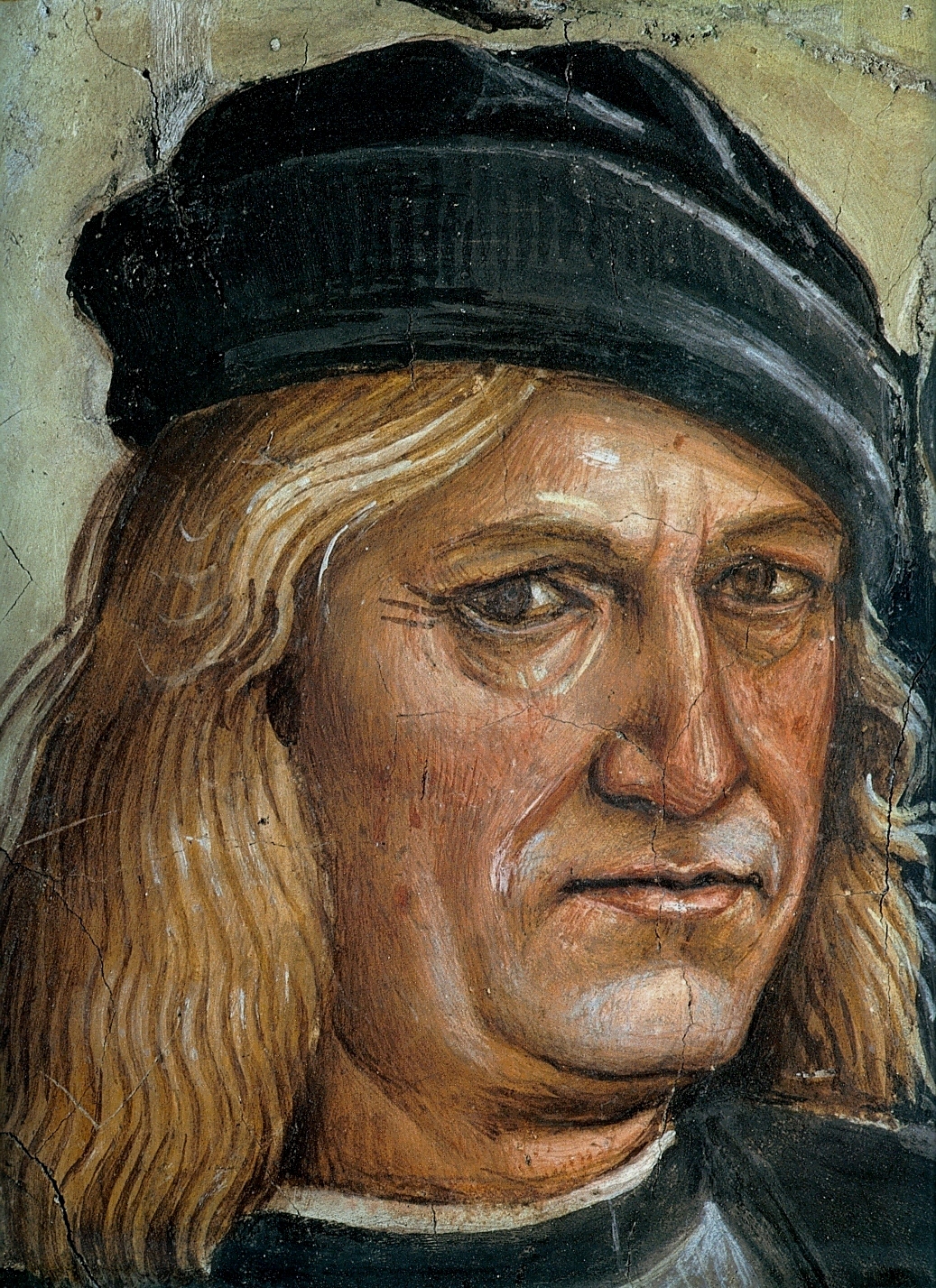
Luca Signorelli (probably born in 1441 or 1445; died 16 October 1523) was an Italian painter active during the Renaissance. Often called Luca d'Egidio di Ventura or Luca da Cortona, he achieved recognition for robust, muscular figures, bold spatial effects and inventive use of perspective. His work bridges the late 15th and early 16th centuries in Italy, combining local traditions with a growing emphasis on anatomy and dramatic narrative.
Image gallery
10 Images



Life and career
Details of Signorelli's early life are sparse; he is generally associated with Cortona, where he trained and later died. Over his long career he worked in several central and southern Italian cities, accepting commissions for altarpieces, fresco cycles and small devotional paintings. His mobility and workshop practice placed him within broader artistic networks of the period and exposed him to emerging techniques in composition and figure drawing.
Major works and the Orvieto cycle
Signorelli's most famous commission is the series of wall paintings in the Chapel of San Brizio at Orvieto Cathedral, executed approximately between 1499 and 1503. These frescoes depict scenes of the Last Judgment and related apocalyptic subjects. Painted as mural frescoes, they are notable for restless movement, intense facial expressions and a large-scale treatment of the human body that communicates both terror and grandeur.
Style, techniques and characteristics
Signorelli is especially remembered for his command of spatial illusion and the human form. He employed principles of linear perspective and foreshortening to create convincing depth. Key features include:
- Foreshortening: figures or limbs painted at angles to shorten apparent depth.
- Anatomical emphasis: clear musculature and dynamic poses, studied from drawings and possibly from dissections or life models.
- Expressive composition: crowded scenes arranged with theatrical staging and dramatic diagonals.
Legacy and influence
While not as widely known to the general public as some contemporaries, Signorelli had a measurable impact on later artists. His vigorous figuration and dramatic compositions were admired by younger painters and contributed to the period's evolving interest in anatomy and monumental narrative. His Orvieto cycle in particular remained an important reference for artists and scholars studying Renaissance approaches to the human body and the demands of large-scale mural painting.
Selected works
- Last Judgment cycle, Chapel of San Brizio, Orvieto Cathedral (Orvieto)
- Various altarpieces and devotional panels produced for churches and patrons across Italy
For further reading on Signorelli's methods and his place in the Italian Renaissance, consult specialist studies and catalogues of the Orvieto frescoes. Scholarly analysis often returns to his handling of perspective, anatomical drawing and the technical challenges of monumental fresco painting.
Related articles
Author
AlegsaOnline.com Luca Signorelli: Italian Renaissance Painter and Master of Anatomy Leandro Alegsa
URL: https://en.alegsaonline.com/art/59668