
Luc Bondy (1948–2015): Swiss Theatre and Opera Director
Luc Bondy was a Swiss theatre, opera and film director and screenwriter known for intimate, actor-centered stagings and international productions including Puccini's Tosca at the Met.
Luc Bondy (17 July 1948 – 28 November 2015) was a Swiss theatre, opera and film director and screenwriter whose work reached major stages across Europe and North America. Born in Zurich, he became known for psychologically detailed productions that emphasized character relationships and contemporary relevance. Bondy moved fluidly between dramatic theatre, opera and cinema, earning an international reputation for thoughtful, often pared-down staging.
Image gallery
3 Images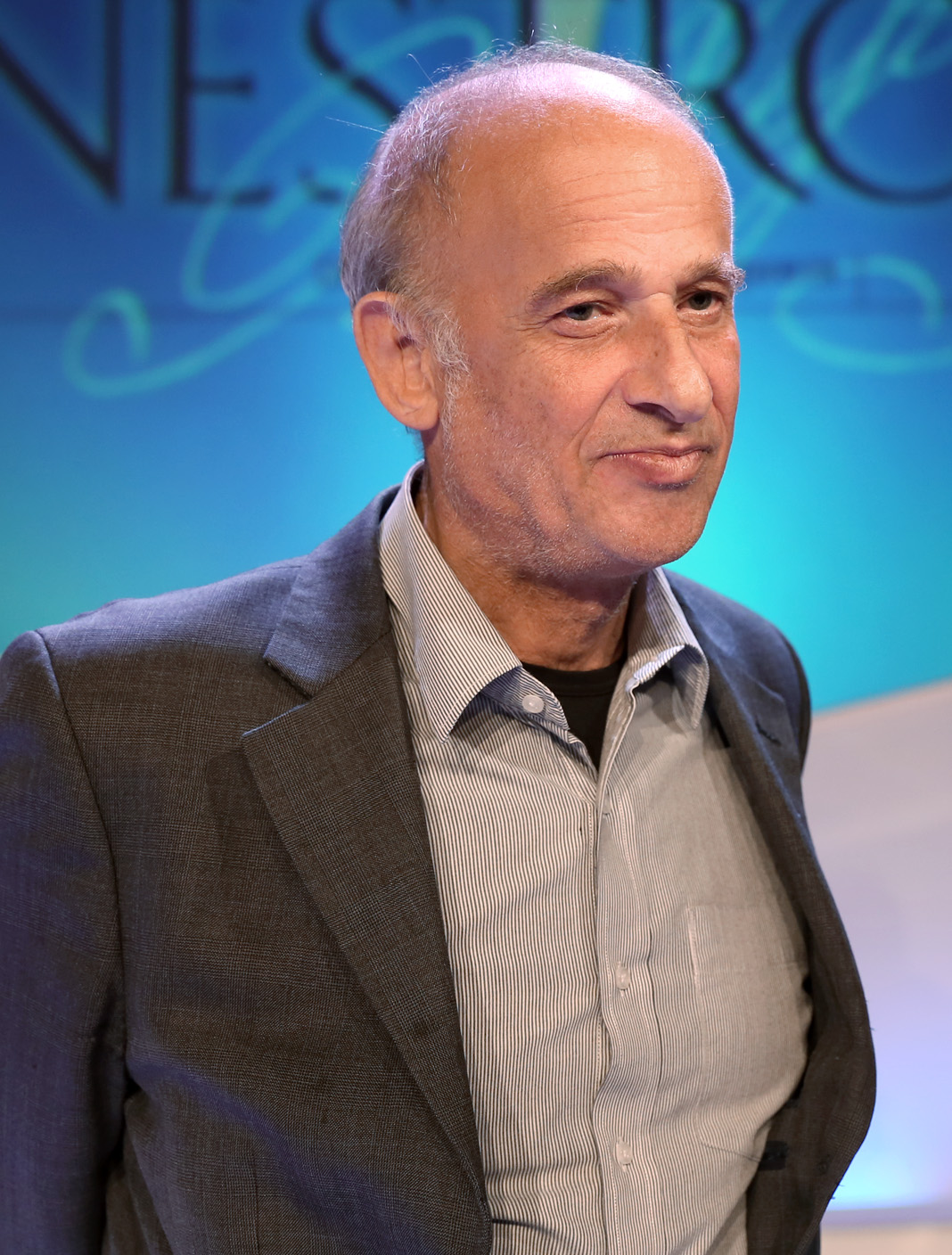


Career and artistic approach
Bondy's direction favored clarity, emotional realism and careful attention to actors' inner lives. Rather than relying on grand spectacle, he often sought subtle shifts in performance and mise-en-scène to reveal new facets of familiar texts. He worked with both classical repertoire and contemporary plays, adapting his methods to vocal and dramatic disciplines when directing opera versus spoken theatre.
Major productions and mediums
Across a long career Bondy directed plays, operas and films. International audiences took particular note of his operatic work; one prominent example was his staging of Puccini's Tosca at the Metropolitan Opera in New York, a production that drew attention for its dramatic focus and character-driven interpretation. He also mounted productions at leading houses and festivals in Europe, collaborating with notable singers and actors and moving between repertory traditions.
Selected contributions
- Direction of plays spanning modern and classical authors, with an emphasis on psychological depth.
- Opera stagings that aimed to reconcile theatrical realism with vocal demands.
- Work in cinema and television that reflected his theatrical sensibilities.
Bondy's cross-disciplinary practice helped bridge conventions of spoken drama and opera, encouraging directors and performers to explore more intimate, interpretive possibilities. Critics often highlighted his restrained visual language and rigorous attention to performance detail.
Luc Bondy died in Zurich on 28 November 2015 at the age of 67. His legacy endures in the productions he created and in the influence he had on contemporary European theatre and opera practice, where his approach to character and stage economy remains a reference for directors and performers.
Related articles
Author
AlegsaOnline.com Luc Bondy (1948–2015): Swiss Theatre and Opera Director Leandro Alegsa
URL: https://en.alegsaonline.com/art/59663