
Lucas Cranach the Elder
German Renaissance painter and printmaker (c.1472–1553). Court artist in Saxony, known for portraits, religious altarpieces, mythological scenes, woodcuts and a distinctive winged-serpent signature.
Lucas Cranach the Elder (c.1472–16 October 1553) was a leading German painter and printmaker of the Northern Renaissance. Born Lucas Sunder in Kronach, he established a prolific career as a court artist and workshop head whose output ranged from intimate portraits to large altarpieces and popular prints. For over four decades Cranach shaped visual culture in Saxony and his images remained influential after his death. Further reading.
Image gallery
10 Images


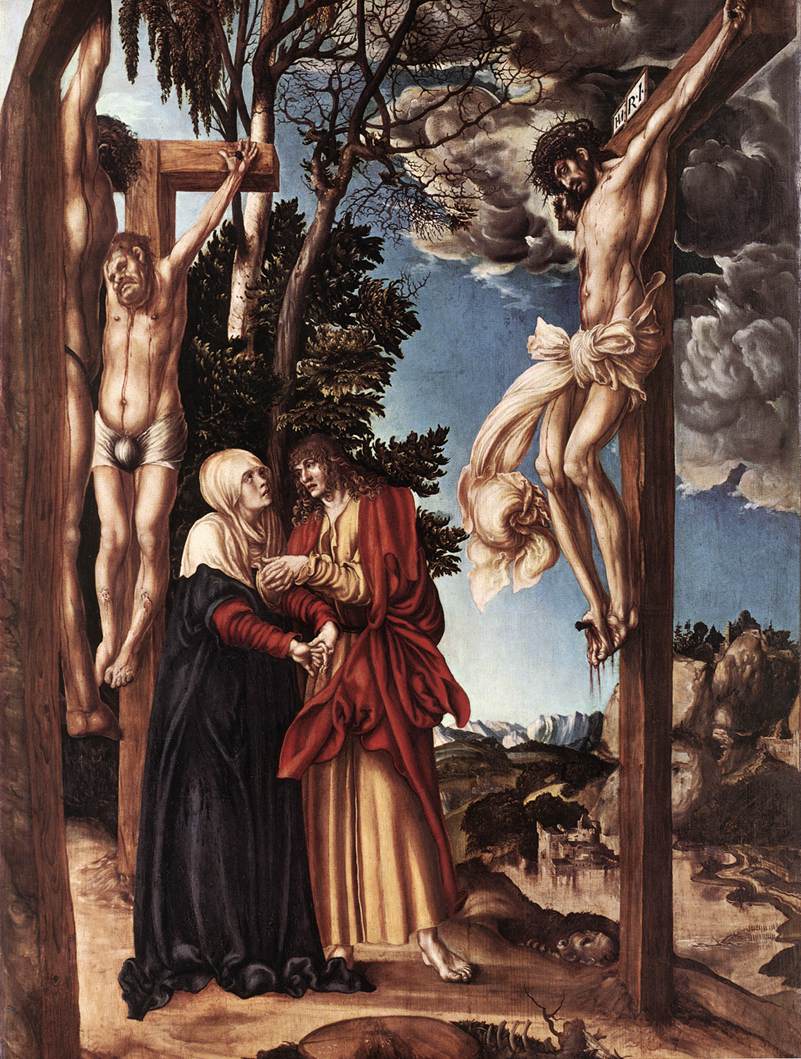

Style and subjects
Cranach combined late Gothic elegance with the clarity and humanist interest of the Renaissance. His figures are often elongated, carefully posed, and painted with smooth, luminous surfaces. He worked in oil, produced woodcuts and engravings, and managed reproduction of popular compositions. Recurring subjects included civic and princely portraits, biblical narratives, and mythological or allegorical scenes featuring nude figures and symbolic attributes. Technique overview and print examples are widely studied.
Career and historical context
During his long career Cranach served the Electors of Saxony at Wittenberg and other courts, becoming a principal portraitist of court and reformist leaders. His workshop provided official imagery for rulers and closely documented important figures of the Protestant Reformation; he is especially associated with portraits of Martin Luther and other reformers. Cranach's position at court and his prolific output made him an influential intermediary between political, religious and artistic communities. See biographical summaries at life and work.
Works and common formats
- Portraits of princes, nobles and reformers, often small-scale and highly finished.
- Religious altarpieces and devotional paintings for churches and private patrons.
- Mythological and allegorical compositions—multiple versions and copies from the workshop.
- Woodcuts and engravings used for books, broadsheets and to disseminate Reformation ideas.
His prints helped spread both devotional images and polemical material; his painted and printed repertory made his workshop one of the busiest in Germany. Examples of themes and print series appear in catalogues and museum collections. Collections and prints.
Workshop, signature and legacy
Cranach ran a large studio that produced numerous replicas and variants of popular compositions; this practice makes attribution a careful scholarly task. He signed many works with a distinctive emblem—a winged serpent—often accompanied by a monogram. His sons, notably Lucas Cranach the Younger, continued the family workshop and preserved the Cranach visual language into later generations. Modern exhibitions and scholarship examine his role in court art, devotional imagery, and the visual history of the Reformation. Additional resources: Kronach birthplace and regional studies at Upper Franconia.
Notable facts: Cranach's combination of portrait realism and stylized elegance, his prolific printmaking, and his close connections with political and religious elites make him a central figure in Northern Renaissance art. His work remains widely reproduced and studied in museum collections and academic literature.
Related articles
Author
AlegsaOnline.com Lucas Cranach the Elder Leandro Alegsa
URL: https://en.alegsaonline.com/art/59674
Sources
- worldcat.org : OCLC 773554
- worldcat.org : OCLC 434642
- worldcat.org : OCLC 1107030