
Church music: history, forms, and role in Christian worship
Music written or selected to support Christian worship and devotion, from chant and hymns to masses and modern services, used in liturgy, concerts, and community practice.
Overview
Church music is the body of musical works and practices intended to accompany or enhance Christian worship. It is performed in places such as parish churches, chapels and cathedrals, and in gatherings where Christians meet to pray and sing. Although the term implies religious purpose, not every composition about faith is church music; some sacred-themed pieces are created for the concert stage rather than liturgical use. The words and structure of a church service often determine whether a piece functions as church music or as a related sacred composition.
Image gallery
6 Images


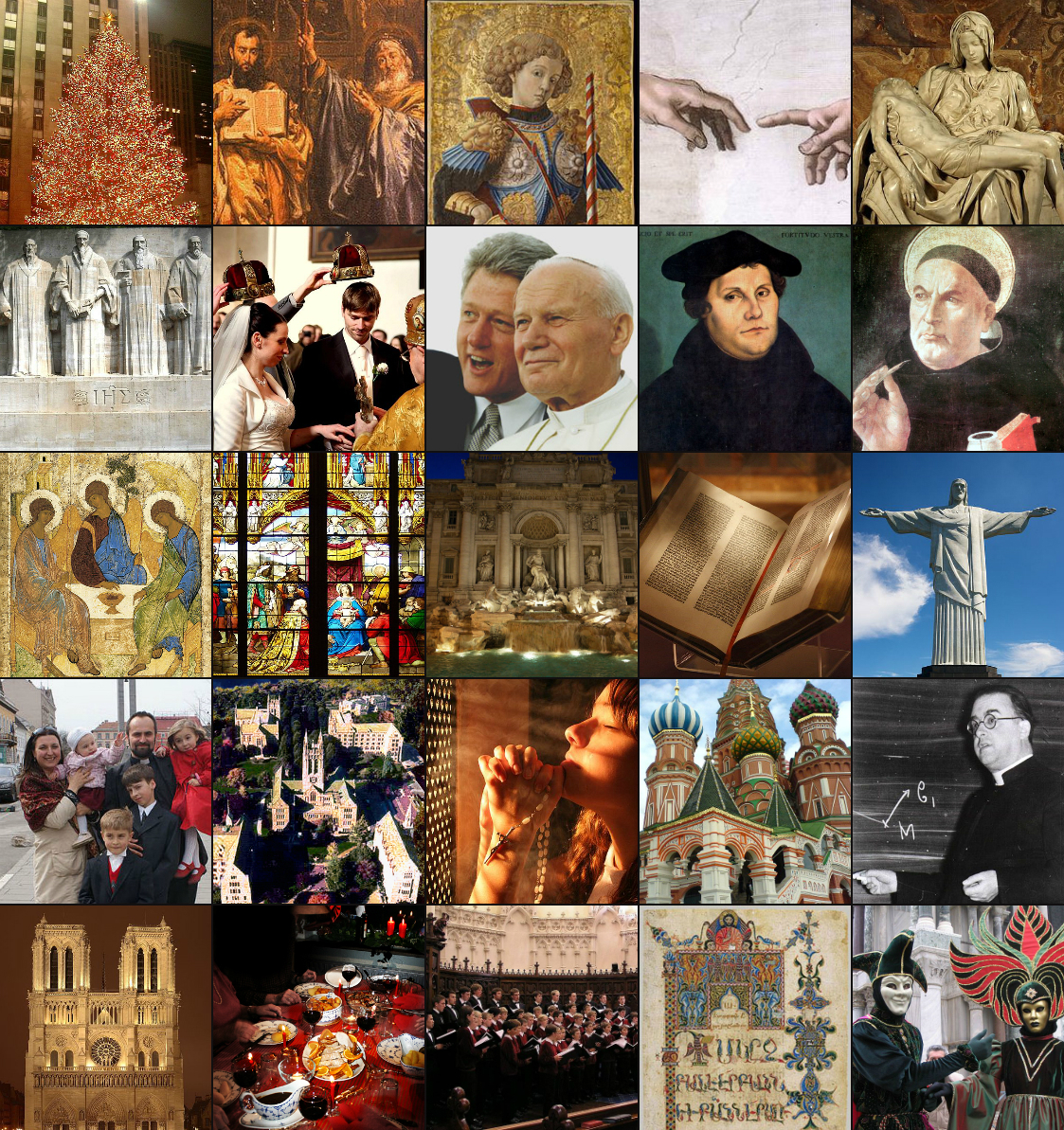

Characteristics and common elements
Most church music emphasizes vocal expression: congregational singing, choir parts and solo vocal lines. Many works use the established texts of the liturgy, including settings of the mass, psalms, canticles and devotional verses. Instrumental support is common, with the organ historically central; other instruments—from brass and strings to small ensembles—have also been employed depending on time and place.
- Common vocal forms: chant, hymn, motet, anthem, cantata and mass movements.
- Special liturgical types: Requiem and funeral music, proper chants for feast days, and service-specific responses.
- Performance settings range from simple congregational singing to complex choral-orchestral works.
Historical development
From the plainsong of the early medieval church through polyphony of the Renaissance and the elaborate liturgical settings of the Baroque, church music has continually evolved. Traditions such as Gregorian chant influenced Western practice, while regional rites produced diverse repertoires. In the early 17th century composers often maintained two compositional approaches: an older, conservative style for sacred works and a newer, expressive style for secular music. For example, Claudio Monteverdi is known for navigating these contrasting idioms in his sacred and secular output.
Contexts of use and notable distinctions
Church music serves liturgical, devotional and cultural functions. Some pieces are written explicitly to be part of a service of worship, while others, though sacred in text and theme, are intended for concert performance. For instance, Verdi’s Requiem is often presented in a concert hall, whereas Benjamin Britten’s War Requiem, though performed in a cathedral, was conceived more as a memorial concert work than as a component of regular service. These examples illustrate the distinction between liturgical function and artistic or commemorative presentation.
Forms, function and contemporary practice
Today church music ranges from centuries-old choral repertoire to contemporary worship songs. Choirs and organists continue longstanding roles, but many congregations also incorporate bands, recorded tracks and new compositions that reflect local language and musical taste. While tradition often preserves older settings for major rites, living communities adapt music to pastoral needs, balancing reverence, accessibility and artistic expression. For further reading about liturgy, repertoire lists and church instruments, see linked resources and introductions for singers, organists and music directors.
Worship practices and performance conventions differ widely across denominations and cultures, and church music remains a dynamic field where theology, community life and artistic creativity intersect. For practical guides, historical surveys and modern repertoires consult introductory resources at Christian worship centers and specialist music libraries, or follow introductory overviews at educational portals referenced here: Requiem traditions, Mass settings, liturgy guides, and instrument histories such as the organ. Additional topics include regional rites, performance practice and the role of music in community formation (instrumental roles, period styles, and composer case studies like Monteverdi).
Questions and answers
Q: What is church music?
A: Church music is music that is intended to be part of Christian worship in churches, chapels, cathedrals or anywhere Christians meet to worship. It is sacred (religious) music.
Q: Is all religious music considered church music?
A: No, some religious music may be inspired by religion but it may not be church music. For example, some songs are about religion but they may not be church music.
Q: Are Verdi's Requiem and Britten's War Requiem examples of church music?
A: Although Verdi's Requiem uses the words of the Requiem mass, it was composed for performance in a concert hall and would not usually be thought of as "church music". Similarly, Britten's War Requiem was written for performance in a cathedral but it was not meant to be part of a service of worship so it would also not usually be considered "churchmusic".
Q: How has churchmusic varied over time?
A: Churchmusic has varied enormously during the history of Christianity as different churches kept changing their ideas about what part music should have in religious worship.
Q: What is most common form of churchmusic?
A: Most churchmusic is based on singing and often uses the words from liturgy (the words used in services).
Q: What instrument is most commonly used for playing churchmusic?
A: The organ is the most important musical instrument used for playing churchmusic, although from time to time many other instruments have been used as well.
Q: Did composers writing for the Church use traditional or modern styles?
A: During many periods in history composers writing for the Church used traditional rather than modern styles. This was particularly true in early 17th century when composers such as Claudio Monteverdi often wrote using two different styles; one old style for Church Music (which they called “stilo antico”) and one new style for secular (non-religious) Music (which they called “stilo moderno”).
Related articles
Author
AlegsaOnline.com Church music: history, forms, and role in Christian worship Leandro Alegsa
URL: https://en.alegsaonline.com/art/20306