
Louise Élisabeth Vigée Le Brun — French Portrait Painter (1755–1842)
French portraitist known for elegant Rococo and early Neoclassical portraits, famed for portraits of Marie Antoinette, extensive European travels, academy memberships and published memoirs.
Overview
Louise Élisabeth Vigée Le Brun (1755–1842) was one of the most celebrated portrait painters of the late 18th and early 19th centuries. Working in a manner often associated with Rococo taste while absorbing elements of Neoclassicism, she became a leading portraitist at the French court and a prominent figure in European artistic circles. Her surviving oeuvre and written recollections are important sources for the social and cultural history of the ancien régime and the years that followed.
Image gallery
10 Images




Early life and training
Born Marie Élisabeth Louise Vigée in 1755, she trained in Paris and benefited from a family environment that encouraged artistic practice. She quickly established a reputation for skillful likenesses and a sympathetic approach to sitters, attracting commissions from aristocratic patrons and members of the royal household. Her early success laid the foundation for a professional career unusually prominent for a woman of her time.
Style and technique
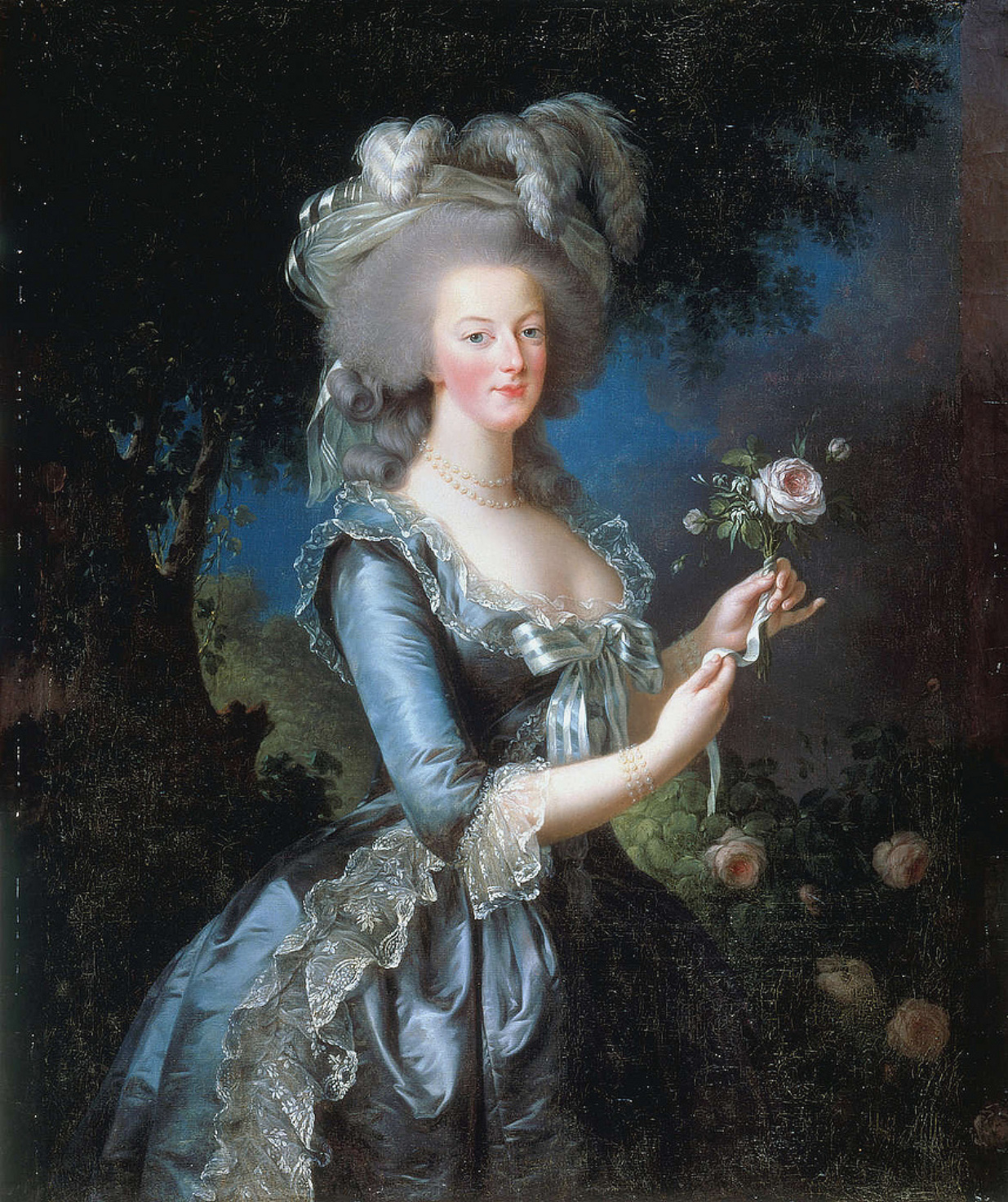
Vigée Le Brun's portraiture is noted for its luminous palette, fluent brushwork and polished finish. She frequently depicted sitters in fashionable dress, with particular attention to fabrics, jewelry and the effects of light on surface. While her portraits often flatter, they aim to convey a sense of personality and warmth rather than rigid formality. Critics of later generations have debated whether her work idealizes subjects or offers candid psychological portraits; both readings remain part of her critical reception.
Court career and royal patronage
By the early 1780s she had become a sought-after portraitist at the French court. She produced more than thirty known portraits of Marie Antoinette, a relationship that secured high visibility and numerous commissions. Her prominence was recognized formally when she was accepted into the Académie Royale in 1783, an uncommon achievement for a woman artist of the period.
Revolution, exile and European travels
The upheaval of the French Revolution and the arrest of the royal family forced Vigée Le Brun to leave France. She spent many years abroad, finding success in a series of cultural capitals. In Italy she was celebrated in Rome and elected to the Accademia di San Luca; in Austria and Russia she painted members of high society and gained institutional recognition, including association with the Academy of Fine Arts in Saint Petersburg. In Russia she painted several prominent aristocrats and members of Catherine the Great's circle.
Later travels and return to France
After her continental travels she also visited England, where she received commissions from leading British sitters and painted figures such as the poet Lord Byron. In 1807 she traveled to Switzerland and was made an honorary member of local art societies. With the changing political climate she returned to France during the regime of Napoleon; her past association with the monarchy meant she navigated an uneasy relationship with the new regime, yet she continued to work and accept commissions.
Writings, later life and honours
Late in life Vigée Le Brun published extensive memoirs that combine practical reflection on painting with memoiristic accounts of the courts and salons she frequented. She lived her final decades in Paris and died there in 1842 on 30 March. During her life she received numerous honours from European academies and institutions.
Legacy
Vigée Le Brun's output has been variously catalogued; authoritative counts differ, but sources often cite roughly 660 portraits and 200 landscapes attributed to her. She is remembered as one of the most successful professional women artists of her century: a technically assured portraitist whose canvases record changing fashions, court identities and the personal faces behind political change. Her works remain in major museum collections and private holdings and continue to be the subject of scholarly study and public exhibitions.
- Artistic identity: a practitioner working between Rococo grace and Neoclassical clarity.
- Court service: famous for portraits of Marie Antoinette and other high-ranking patrons.
- Exile and recognition: major successes in Rome, Russia and elsewhere; membership in academies such as the Accademia di San Luca and the Saint Petersburg academy.
- Writings: memoirs that provide first-hand accounts of artistic life and society.
Related articles
Author
AlegsaOnline.com Louise Élisabeth Vigée Le Brun — French Portrait Painter (1755–1842) Leandro Alegsa
URL: https://en.alegsaonline.com/art/59459