
Lord Byron (George Gordon Byron, 6th Baron Byron)
Biographical overview of Lord Byron: life, major works, Romanticism, personal life, involvement in Greek independence, death, and legacy including his daughter Ada Lovelace.
Overview
George Gordon Byron, 6th Baron Byron (22 January 1788 – 19 April 1824), commonly known as Lord Byron, was an influential English poet and aristocrat. He emerged as a leading figure of the Romantic movement, combining public fame for his verse with a private life that attracted intense attention. Contemporary readers remember him for powerful narrative poems, satirical wit and a persona that helped shape the idea of the Romantic hero.
Image gallery
10 Images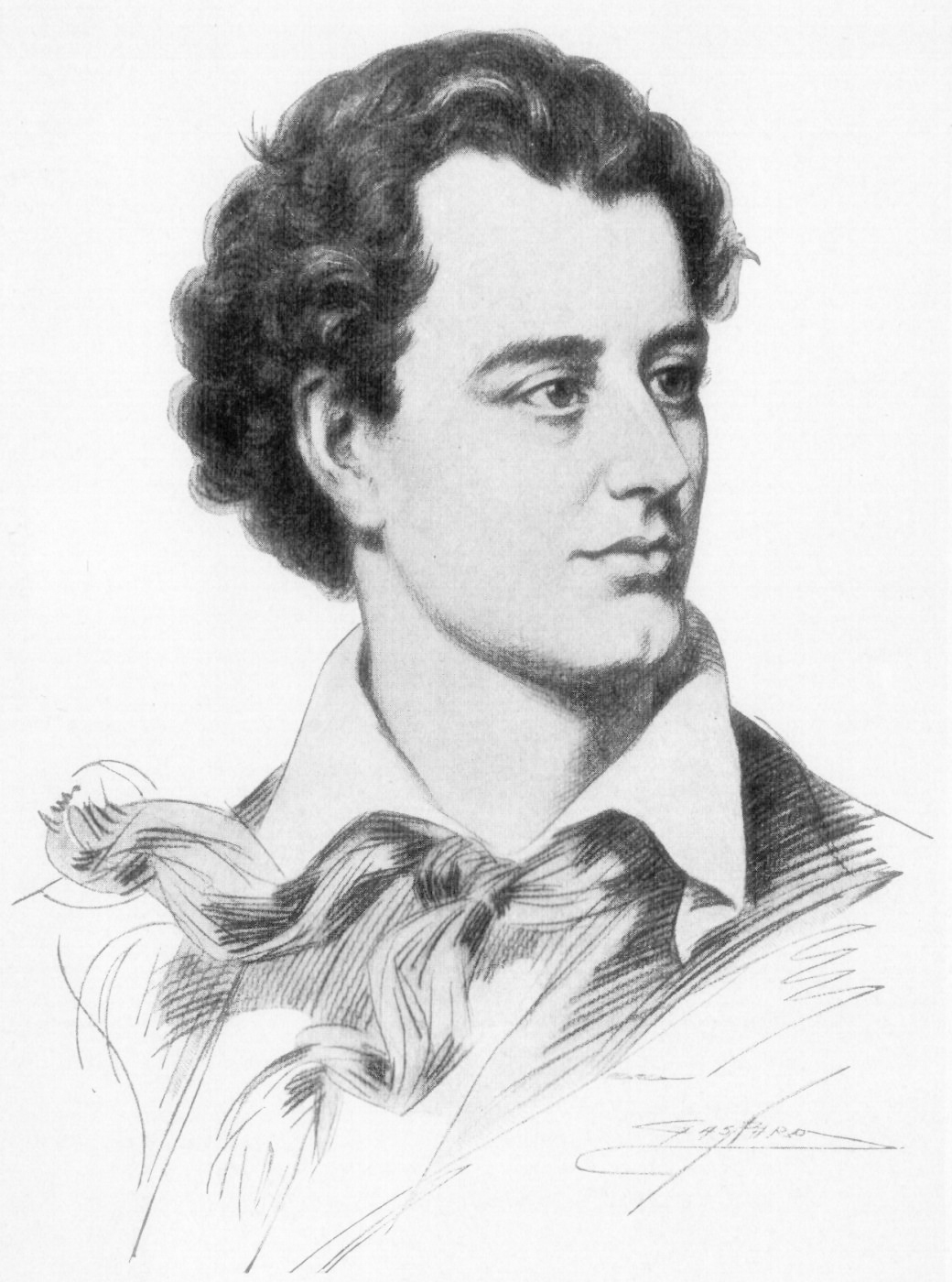
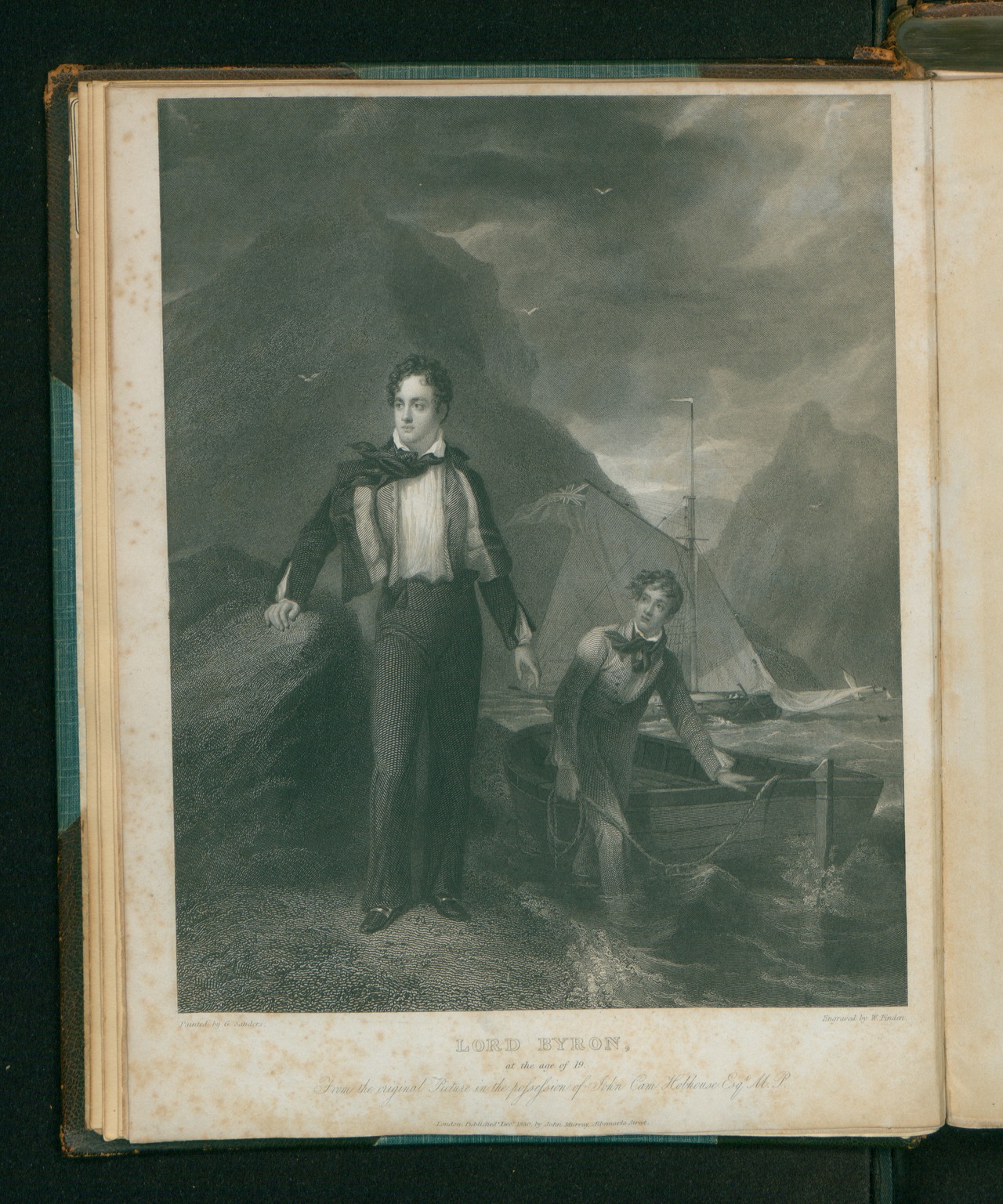
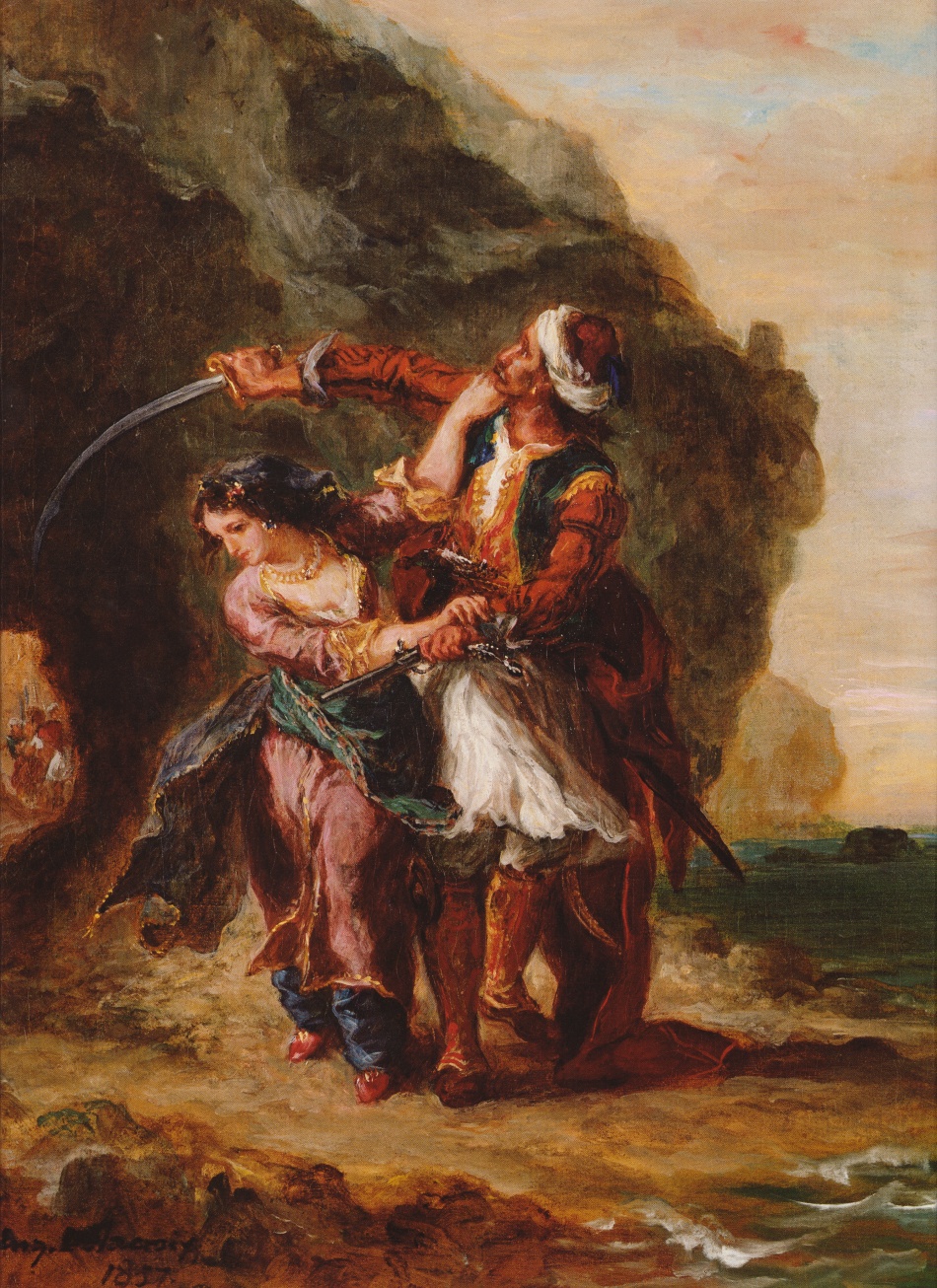


Family and early life
Born into the British peerage, Byron inherited the title as a young man and belonged to an established noble family. He was the son of Captain John Byron and Catherine Gordon, and was christened under the name George Gordon Byron. Later in life he sometimes used the additional surname Noel in order to secure an inheritance from his wife's family. As a member of the peerage, his position gave him both influence and obligations within British society.
Literary career and style
Byron became famous for poems that combined vivid description, reflective melancholy and satirical energy. Works such as Childe Harold's Pilgrimage established his reputation across Europe, while the unfinished epic Don Juan displayed comic invention and social critique. He was widely regarded among the leading figures of Romanticism, and critics have continued to celebrate his expressive verse and dramatic narrative techniques. His writing helped define a modern, self-aware poetic voice that influenced later writers across the continent and beyond.
Major works
- Childe Harold's Pilgrimage — brought Byron international fame with its travel narrative and reflective tone.
- Don Juan — a long, ironic narrative poem notable for its digressive comedy and moral observation.
- Letters, shorter lyrics and occasional poems that circulated widely and contributed to his celebrity.
Public life and personal reputation
Byron's lifestyle—marked by extravagant dress, a cultivated image often called that of a dandy, numerous romantic affairs and repeated financial difficulties—kept him in the public eye. He also served briefly in Parliament and engaged with political causes. His personal conduct provoked both admiration and scandal; he was alternately celebrated for his charisma and criticized for behavior seen as unconventional in his era.
Greek independence, death and burial
In the last years of his life Byron became actively involved in the Greek War of Independence against Ottoman rule. He travelled to Greece to support the cause, where his presence had symbolic and material impact. While in the town of Messolonghi he fell ill and died of a fever on 19 April 1824. He was interred in the family vault at St. Mary Magdalene Church, Hucknall Torkard, Nottinghamshire; a public memorial in Poet's Corner, Westminster Abbey, was not erected until 1969. Accounts emphasize his commitment to the Greek struggle as a defining final gesture.
Legacy and notable descendants
Byron is remembered as one of the most prominent European poets of his era, whose work and image shaped Romantic literature and later cultural ideals. His daughter, Ada Lovelace, became notable in her own right for collaboration with mathematician Charles Babbage on ideas related to the early mechanical computer often called the analytical engine; her interest in mathematics and computing stands in contrast to Byron's literary fame. Over time historians and critics have evaluated Byron both for his artistic achievements and for the way his life intersected with politics, society and emerging national movements such as Greek independence.
Further reading and resources are available for those who wish to explore Byron's poetry, correspondence and biographical studies in more depth: European reception, Greek War of Independence, illness and death, and memorial history Poet's Corner. Additional context on his social milieu and legal matters around inheritance appear under links concerning Greece, Messolonghi, and family estates. For bibliographical and archival material consult general reference entries on Hucknall Torkard, the Byron family vault and published collections of Byron's letters and poems (British records, historical overviews). Readers can also find scholarly discussions of his poetic technique and public image at resources marked biographical notes, Romanticism studies and curated cultural histories.
Questions and answers
Q: Who was George Gordon Byron?
A: George Gordon Byron, 6th Baron Byron was an English peer, nobleman, politician, and poet. He was a leading figure in Romanticism and regarded as one of the greatest European poets.
Q: What did he change his name to?
A: He changed his name later in life to adopt the surname Noel so that he could inherit half his mother-in-law's estate.
Q: What are some of Lord Byron's best known works?
A: His best-known works include the narrative poems Childe Harold's Pilgrimage and Don Juan.
Q: How did Lord Byron live his life?
A: Lord Byron lived extravagantly as a dandy with many love affairs and debts.
Q: How did Lord Byron die?
A: Lord Byron died from a fever in Messolonghi in Greece after fighting against the Turks during the Greek War of Independence.
Q: Where is Lord Byron buried?
A: He is buried in the family vault at St. Mary Magdalene Church, Hucknall Torkard, Nottinghamshire, England.
Q: When was a memorial raised for him at Westminster Abbey?
A: A memorial for him wasn't raised at Poet's Corner in Westminster Abbey until 1969.
Related articles
Author
AlegsaOnline.com Lord Byron (George Gordon Byron, 6th Baron Byron) Leandro Alegsa
URL: https://en.alegsaonline.com/art/59205
Sources
- poetsgraves.co.uk : Poet's Graves: Lord Byron
- independent.co.uk : Was Byron a 19th century giant?