
Marie Antoinette: last queen of pre-revolutionary France
A concise, balanced overview of Marie Antoinette (1755–1793): her origins, role as Queen of France, public image, involvement in the Revolution, trial and execution, and later reassessment.
Overview
Marie Antoinette (born Maria Antonia, 1755–1793) was the last queen of the Bourbon monarchy in France. Born an Archduchess of Austria, she became Queen of France by marriage to Louis XVI. Her life and death are inseparable from the political, social and cultural upheavals that culminated in the French Revolution. Over the centuries she has been viewed variously as a scapegoat, a fashion icon, a political actor, and a tragic figure.
Image gallery
10 Images


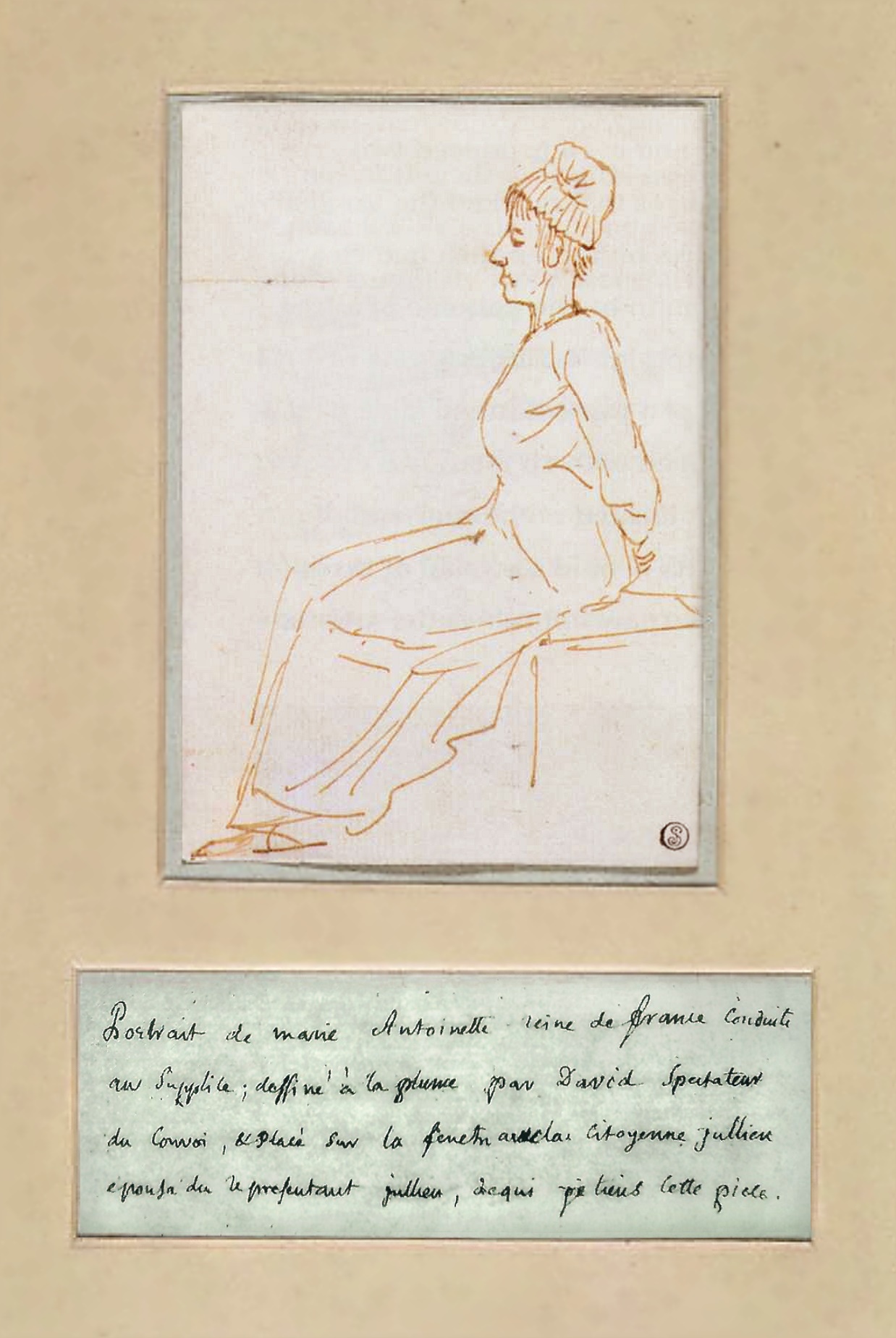
Early life and marriage
Raised at the Habsburg court, Marie Antoinette was sent to France as part of a dynastic alliance between the two great powers. Her marriage at age 14 aimed to cement the diplomatic link between Austria and France, a union that followed shifting alliances in European wars of the mid-18th century, including the Seven Years' War. Adjusting to a foreign court, language and etiquette was difficult; she matured in public view while learning to perform the duties expected of a queen consort.
Court life, image and controversies
As queen, Marie Antoinette took on ceremonial responsibilities and became a central figure of royal culture. She patronized the arts, supported designers and helped shape court fashions. Her taste for luxury and private retreats such as the Petit Trianon made her a symbol of aristocratic privilege in the eyes of many. Political pamphlets, caricatures and rumor amplified real and alleged excesses: accusations ranged from extravagant spending to immoral behavior and collusion with foreign powers. One famous anecdote—"Let them eat cake"—is now widely regarded by historians as a misattribution used to caricature her indifference; contemporary scholars caution that many hostile claims were part of deliberate propaganda.
Family and dynastic role
Marie Antoinette and Louis XVI had several children, and the queen's role as mother was central to her public identity. Her surviving offspring became symbols for royalist hopes and revolutionary fears alike. Among her children, her son was referred to by royalists as Louis XVII after his father's death, though he never ruled and died in captivity; a daughter, Marie-Thérèse, survived the revolution and later played a role in royalist memory.
Revolution, flight and arrest
As political tensions mounted, the royal family faced growing hostility. In 1791 they attempted to escape Paris in the episode known as the Flight to Varennes; the failed attempt weakened their credibility and intensified suspicions that they were conspiring with foreign courts to reverse revolutionary change. Arrest followed and the monarchy was formally abolished. During the revolutionary crisis the queen's foreign birth and perceived influence were repeatedly invoked by opponents.
Trial, execution and immediate aftermath
After Louis XVI's execution in January 1793, Marie Antoinette was tried by the revolutionary tribunal. She was convicted on charges that included conspiracy and correspondence with enemies of the revolution, and was executed by the guillotine later that year. Her death was a defining, controversial moment in the Revolution, provoking both celebration and condemnation in different circles across Europe.
Legacy and historical reassessment
Marie Antoinette's legacy is complex. In the 19th and 20th centuries she became a subject of novels, plays, paintings and films that alternately criticized and romanticized her. Modern historians have re-examined primary sources and propaganda, seeking to separate myth from record and to place her actions within the constraints of her position as queen, wife and mother. While some view her as emblematic of the Ancien Régime's inequalities, others emphasize how gendered expectations and political hostility shaped the extraordinary attention she received.
- Key associations: Queen of France, Austria, Louis XVI.
- Major events: marriage into the French monarchy, public controversies, the French Revolution, the Flight to Varennes, trial and execution.
- Study themes: propaganda vs. reality, gender and power, cultural memory and historical rehabilitation.
For further reading and primary documents, consult reputable collections and archival sources that discuss the queen's correspondence, contemporary pamphlets and later historiographical studies. Scholarly work emphasizes caution in accepting popular anecdotes and recommends placing Marie Antoinette within the broader social and political transformations of late-18th-century Europe.
Questions and answers
Q: Who was Marie Antoinette?
A: Marie Antoinette was the last Queen of France, as the wife of King Louis XVI, before the monarchy was abolished in the French Revolution. She was born as Maria Antonia as an Archduchess of Austria.
Q: How old was she when she married Louis?
A: She married Louis in 1770, when she was 14 years old and four years before he became the king.
Q: Was Marie Antoinette popular at first?
A: Although she was not unpopular at first, many people in France did not want the country to have an Austrian queen due to France's alliance with Austria being unpopular.
Q: What caused her to become an unpopular symbol during the French Revolution?
A: During the French Revolution, there were rumours that she spent too much money, had lovers and supported France's enemies which caused her to become an unpopular symbol of the old French monarchy (Ancien Régime).
Q: Did Marie Antoinette really say "Let them eat cake"?
A: There is no evidence that Marie Antoinette said this phrase when learning that peasants were starving. Many of these rumours were started by other people at court where she had few friends.
Q: What caused the French Revolution?
A: It is not clear what caused the French Revolution but there were far bigger causes than her spending.
Q: How did Marie Antoinette die?
A: She helped plan a failed escape from Paris for herself and her family in 1791 which led many people to think they were plotting against elected governments. The royal family were arrested in 1792 and then Marie Antoinette was executed by guillotine in 1793 nine months after her husband died by execution also.
Author
AlegsaOnline.com Marie Antoinette: last queen of pre-revolutionary France Leandro Alegsa
URL: https://en.alegsaonline.com/art/126006