
Louisiana (New Spain)
Spanish Louisiana was the vast North American district administered by Spain from the 1760s until the transfer back to France in 1800–1803. It influenced law, settlement, and culture west of the Mississippi.
Louisiana under Spanish rule—commonly called Spanish Louisiana—was the North American district administered by the Spanish Crown after it received the territory from France in the 1760s. The district encompassed the extensive drainage basin west of the Mississippi River and included the crucial port city of New Orleans. Spain’s acquisition of the region followed France’s imperial setbacks in North America, and Spanish governance lasted in practice from the 1760s until the political arrangements that returned the territory to France around 1800–1803, a sequence of events that directly preceded the sale of the same territory to the United States in the Louisiana Purchase.
Image gallery
10 Images





Geography and administrative character
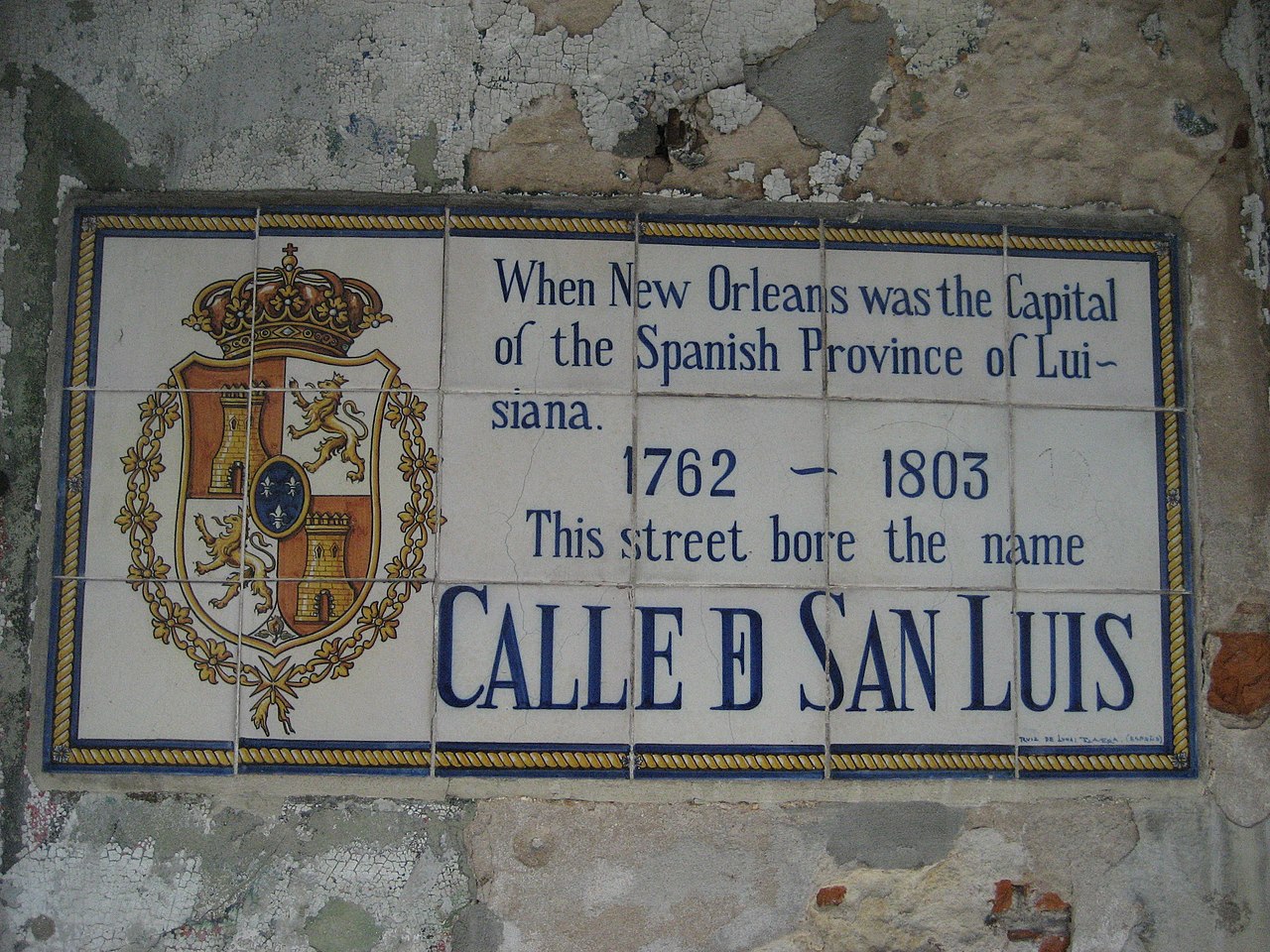
The district known to Spain as Luisiana covered a loosely defined region that reached from the Gulf of Mexico into the interior plains and river valleys of North America. Boundaries were not always precisely demarcated on maps of the time, but Spanish Louisiana generally meant lands west of the Mississippi and areas connected to its trade network, with New Orleans functioning as the administrative and commercial hub. The colony combined coastal plantation zones, riverine trade centers, and frontier settlements, and it interfaced constantly with Indigenous nations, French settlers, Anglo-American colonists, and other European powers.
Governance, law and society
Spanish rule introduced imperial reforms, legal practices, and administrative structures intended to stabilize an unruly colonial possession. Governors appointed by the Spanish Crown attempted to organize land grants, regulate trade, and enforce Catholic missions. Notable administrators, including military reformers who arrived in the 1760s, reestablished order after the change of hands and curtailed some of the abuses that had occurred under earlier French control. Spanish legal customs and institutions left a visible imprint on property, municipal government, and the practice of law, especially in New Orleans, where Spanish-era archives continued to shape later jurisprudence.
Economy, population and cultural effects
The economy of Spanish Louisiana depended on a mix of river commerce, agriculture (including plantation labor and slavery), and local craft industries. Spain sought to encourage settlement and to maintain alliances with diverse Indigenous nations as a means of defense against British encroachment. The period also saw influxes of new settlers; for example, Acadian refugees who had been expelled from Atlantic Canada in the mid-18th century joined the population and contributed to the region’s distinct cultural blend. Spanish language, place names, and architectural forms combined with French and Creole traditions to produce the hybrid culture associated with the Gulf coast.
Key events and the transfer of the territory
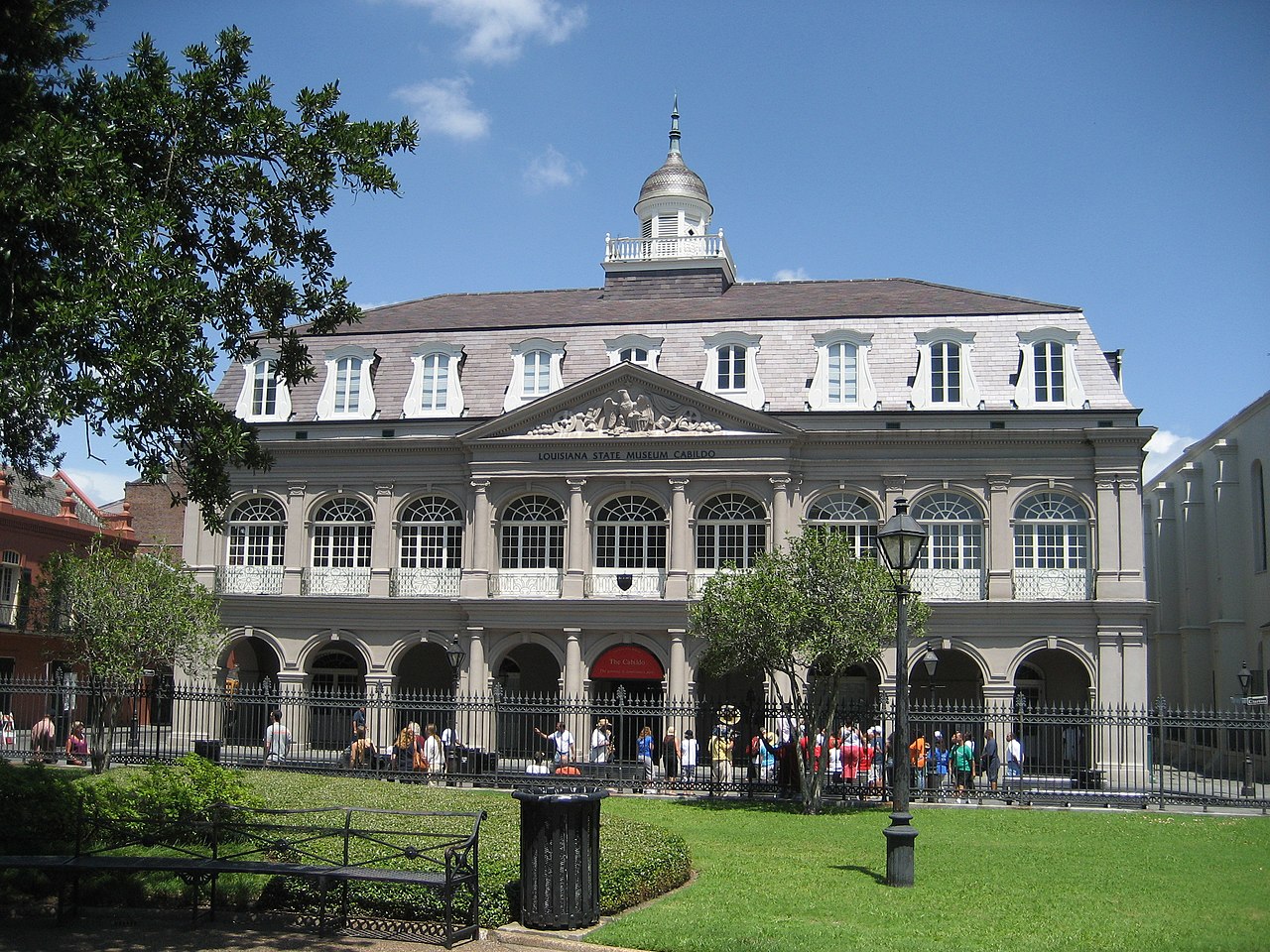
The transfer of Louisiana from France to Spain occurred in the aftermath of European wars in the 1760s: Spain took control as part of broader diplomatic settlements. Late in the 18th century and early 19th century, shifting alliances in Europe led to a reversal. Under the terms of the Third Treaty of San Ildefonso and related arrangements such as the Treaty of Aranjuez, Spain agreed to return the province to France. The Spanish king, Charles IV, issued formal instructions affecting the transfer, and Madrid continued to administer the colony while details were arranged. The formal handover ceremonies were staged in New Orleans: Spanish authorities relinquished control at the Cabildo in a ceremony associated with the city’s municipal government (Cabildo in New Orleans), and the short French interlude was quickly overtaken by the diplomatic negotiations that led to the territory entering the orbit of the United States. Spain’s role in that sequence is an important link between earlier French rule (often called La Louisiane) and the later American acquisition.
Legacy and notable distinctions
- Spanish Louisiana served as a buffer colony that affected Anglo-French-Spanish balance in North America and helped shape geopolitical dynamics after the Seven Years’ War.
- The colonial administration left lasting marks on law, land tenure, urban design, and religious institutions; many local customs and legal practices trace to Spanish regulations.
- Military and diplomatic actions by Spanish governors supported allied causes during the American Revolutionary era, strengthening ties with emerging American interests under the wider European conflict.
For more context on Spain’s role and the diplomatic instruments that produced these changes, see references to Spain’s administration (Spain), the wider French claim (La Louisiane), and the diplomatic and commercial consequences culminating in the Louisiana Purchase. Contemporary and later historians continue to examine the Spanish period as a formative era that influenced the cultural and legal character of the lower Mississippi world.
Selected primary milestones: the initial transfer to Spain in the 1760s, Spanish administrative reforms in the decades that followed, the secret cession back to France under the treaties of the early 1800s, and the final diplomatic sequence that led to the United States’ acquisition. Each of those steps connects Spanish Louisiana to broader Atlantic history and the reshaping of North America at the turn of the 19th century.
Further reading and archival materials typically explore Spanish governance records, military correspondence, and municipal documents from the era; online and library resources can be located through major historical collections and national archives (geographic context, imperial records, French antecedents). For diplomatic specifics consult summaries of the Third Treaty of San Ildefonso and the Treaty of Aranjuez, together with royal communications from Charles IV and ceremony records from the Cabildo. These documents illuminate the final handovers that connected Spain’s colonial role to the subsequent transactions with France and the United States, including the commercial and territorial implications culminating in the Louisiana Purchase.
Questions and answers
Q: What was Louisiana and when did it exist?
A: Louisiana was an administrative district of the Viceroyalty of New Spain from 1763 to 1801.
Q: What geographical area did Louisiana include?
A: Louisiana included the area west of the Mississippi River basin, plus New Orleans.
Q: Who did Spain get the Louisiana territory from?
A: Spain got the territory from France.
Q: What did France name the territory?
A: France named it La Louisiane after King Louis XIV in 1682.
Q: What was Louisiana called after Spain obtained it?
A: It is sometimes called Spanish Louisiana.
Q: When was Louisiana transferred back to France?
A: The district was given back to France, under the terms of the Third Treaty of San Ildefonso (1800) and the Treaty of Aranjuez (1801).
Q: When did the official transfer of Louisiana to France take place and where?
A: The ceremony happened at the Cabildo in New Orleans on 30 November 1803, just three weeks before the formalities of cession from France to the United States pursuant to the Louisiana Purchase.
Related articles
Author
AlegsaOnline.com Louisiana (New Spain) Leandro Alegsa
URL: https://en.alegsaonline.com/art/59471