
Richard Cromwell: brief Protectorate, exile, and legacy
Richard Cromwell (1626–1712) succeeded his father as England's second Lord Protector in 1658, ruled briefly amid military and political pressures, resigned in 1659, and spent many years in exile before returning to private life.
Overview
Richard Cromwell (4 October 1626 – 12 July 1712) was the third son of Oliver Cromwell and served as the second Lord Protector of England, Scotland and Ireland from 3 September 1658 until 25 May 1659. His tenure was short and contested. Lacking the military reputation and political authority of his father, Richard struggled to command the loyalty of the army and to manage competing civilian factions. Contemporary opponents gave him mocking nicknames such as "Hickory Dick" and "Queen Dick," reflecting both political hostility and doubts about his suitability for the role.
Image gallery
3 Images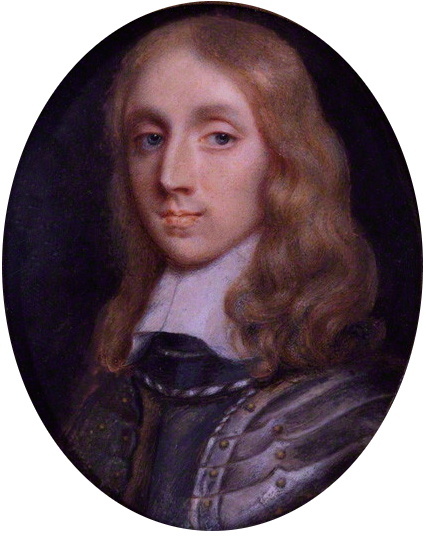
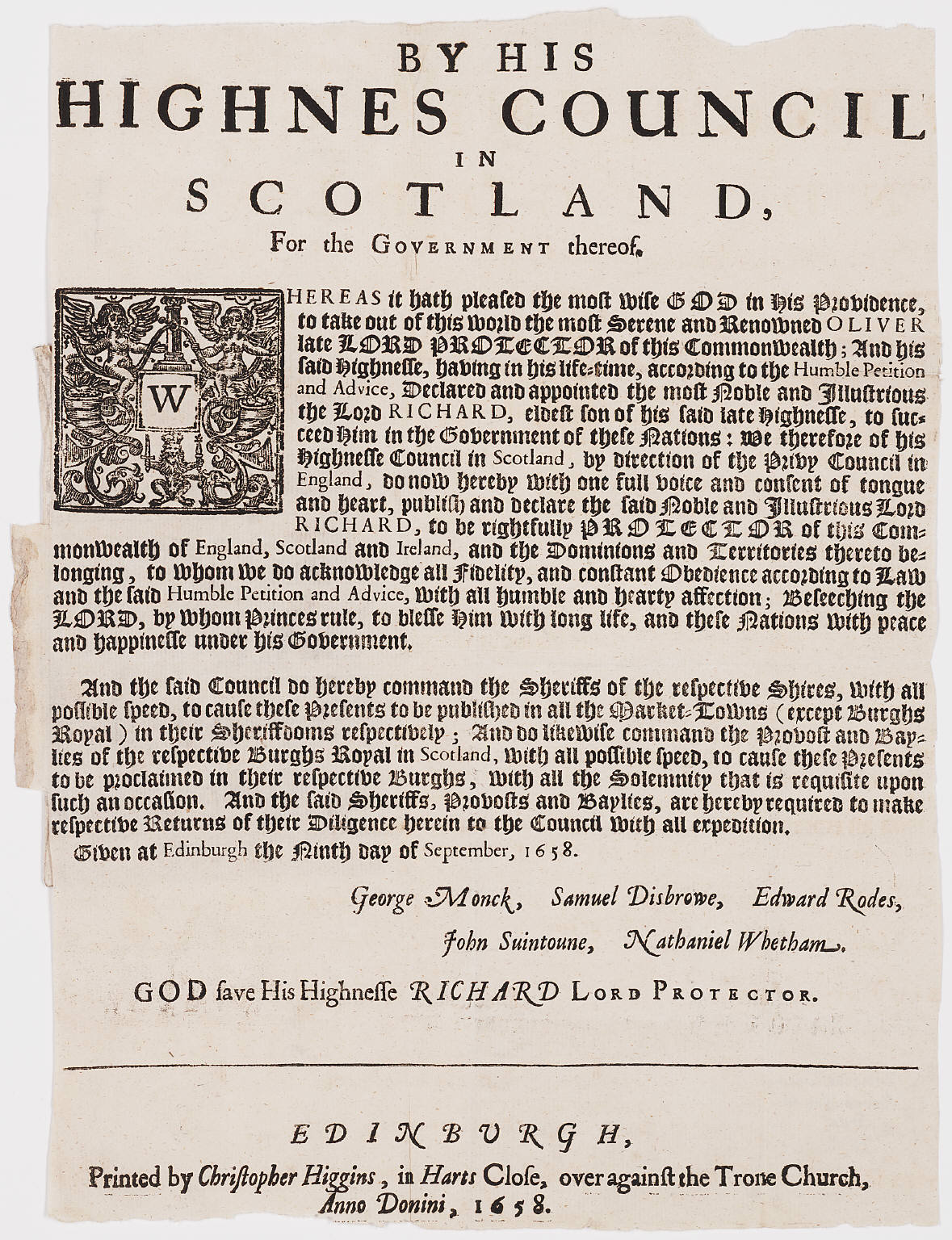

Background and characteristics
Unlike Oliver Cromwell, who rose to prominence as a military commander, Richard had limited experience of command and depended largely on existing institutions and advisers built up during his father's rule. He was broadly seen as more moderate and less authoritarian, qualities that won sympathy among some civilians but failed to reassure the powerful regiments that had helped create the Protectorate. The political landscape he inherited combined a fragile hybrid of republican institutions, army influence, and lingering royalist sentiment, which made governance particularly difficult for a successor without firm control of the armed forces.
Rise, crisis, and resignation
Richard succeeded his father because he was the eldest surviving son and because many hoped for continuity after Oliver's death. Within months his authority was tested by divisions between Parliament, the Council of State, and army officers. Unable to enforce his will against military pressure and lacking a personal power base, Richard agreed to step down. His resignation in 1659 effectively ended the Protectorate as an independent regime and reopened the political contest that culminated in the restoration of the monarchy the following year under Charles II.
Exile and later life
After relinquishing power, Richard chose to leave Britain rather than remain at the center of a disputed settlement. He spent years abroad and travelled in Europe, adopting the name "John Clarke" for a time to avoid attention. He did not return to public life and, after roughly two decades, came back to England to live quietly in private. For the remainder of his life he avoided political engagement and focused on family and local affairs until his death in 1712.
Significance and notable facts
- Richard's brief rule marked the rapid collapse of the Cromwellian Protectorate after Oliver's death and paved the way for the Restoration of the monarchy.
- His lack of military authority highlights how central the army had become to political power during the 1650s.
- Contemporaries and later historians have debated whether Richard might have succeeded with different circumstances; most accounts agree his character and position contrasted sharply with his father's.
For further context on the period and figures connected to Richard's life, see accounts of the English Interregnum, the role of the army in mid-17th century politics, and the Restoration settlement. Primary narratives and modern histories provide more detail on the personalities and decisions that shaped his short rule and its aftermath.
Related entries and resources: Oliver Cromwell, Lord Protector, England, Scotland, Ireland, Charles II.
Author
AlegsaOnline.com Richard Cromwell: brief Protectorate, exile, and legacy Leandro Alegsa
URL: https://en.alegsaonline.com/art/129480