
Los Angeles Police Department
Municipal police force serving the City of Los Angeles: structure, history, responsibilities, notable events, and community role.
Overview
The Los Angeles Police Department (LAPD), officially the City of Los Angeles Police Department, is the primary law enforcement agency for the City of Los Angeles. It serves a large, diverse urban population and manages a broad range of public-safety responsibilities. The department is widely recognized as one of the largest municipal police forces in the United States; at the time of common reference it employed roughly 9,974 sworn officers and 3,036 civilian staff, ranking after the New York City Police Department and the Chicago Police Department. For departmental information see the official site, and for context on its municipality and state see Los Angeles and California.
Image gallery
10 Images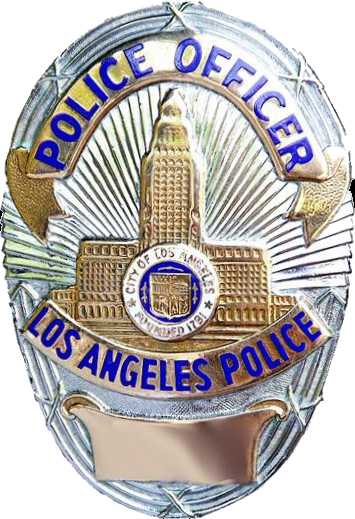


Organization and roles
The LAPD is organized into geographic divisions and functional units to address patrol, investigation, and specialized needs. Typical components include patrol bureaus, detective divisions, and centralized services that support operations across the city. The department also operates specialized teams such as SWAT, Air Support, K-9, narcotics task forces, and crime-analysis units. These elements coordinate to respond to emergency calls, investigate crimes, manage traffic and crowd control, and provide victim services.
History and development
Established in the 19th century, the LAPD has evolved from a small municipal force into a modern urban police organization. Over decades it has expanded its personnel, technology, and tactics to meet the changing needs of a growing metropolis. Its development reflects broader trends in American policing, including professionalization, adoption of radio and forensic technologies, and increasing specialization in units and training.
Operations, reforms, and controversies
As a large urban agency, the LAPD has been involved in both acclaimed initiatives and significant controversies. High-profile incidents and corruption scandals in the late 20th century led to federal oversight and internal reforms aimed at improving accountability, use-of-force policy, and community relations. The department continues to balance crime-fighting priorities with calls for transparency, independent oversight, and policy changes from civic groups and policymakers.
Community role and public safety
The LAPD works with city government, community organizations, and other law enforcement agencies to address public-safety challenges. Community policing programs, youth outreach, and partnerships with social services are part of efforts to reduce crime and build trust. The department also engages in regional collaborations with other agencies such as the New York City Police Department and the Chicago Police Department in discussions of best practices, training, and national initiatives.
Notable facts and distinctions
- The LAPD is often portrayed in American media and has had a visible role in film and television, shaping public perceptions of policing.
- It maintains specialized investigative units for major crimes, gangs, and organized crime.
- Ongoing reforms emphasize body-worn cameras, data-driven policing, and expanded community engagement.
The LAPD remains a central institution in Los Angeles civic life, balancing operational demands with the need for accountability and responsive community service.
Related articles
Author
AlegsaOnline.com Los Angeles Police Department Leandro Alegsa
URL: https://en.alegsaonline.com/art/59303