
Oliver Cromwell: soldier, statesman, and the Protectorate era
Oliver Cromwell (1599–1658) was an English military and political leader, commander of the New Model Army and Lord Protector. He led the Commonwealth, enacted reforms, and remains a deeply contested figure in British history.
Overview
Oliver Cromwell (25 April 1599 – 3 September 1658) was a central figure in mid-17th-century England whose military leadership and political authority transformed the British Isles for a decade. Rising from the lesser gentry, he became a leading commander in the wars that pitted the king against Parliament, a chief architect of the New Model Army, and later the head of state as Lord Protector of the Commonwealth. His career combined religious conviction, military innovation and decisive political action; his policies and campaigns generated both support and intense controversy then and since.
Image gallery
10 Images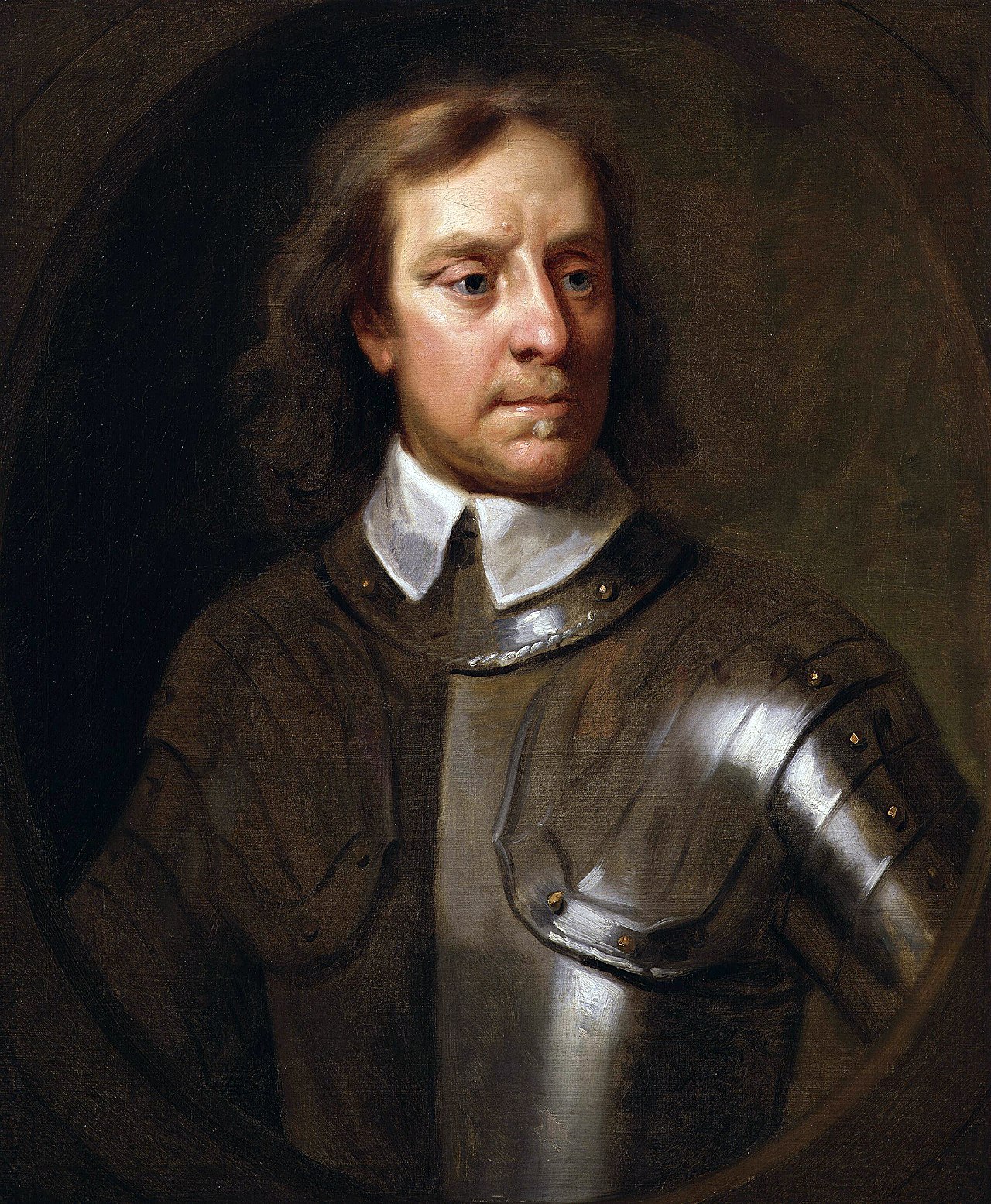



Early life and political entry
Cromwell was born into a provincial family with ties to local administration and the Anglican church. He served as a county magistrate and became a Member of Parliament in the 1620s and 1640s. Initially not a prominent national figure, his Puritan beliefs and commitment to parliamentary government brought him into political conflict as tensions between King Charles I and Parliament escalated.
Civil Wars and the New Model Army
When fighting broke out, Cromwell emerged as an effective cavalry leader. He supported the creation of the New Model Army, a centrally organized force that emphasized training, discipline and promotion by merit. Under his command and that of other officers, the army won decisive victories that shifted the balance of power away from the royalist forces and ultimately made possible the trial of Charles I and the abolition of the monarchy for a time.
Republican interregnum and regicide
Following the defeat of royalist armies, a revolutionary period began. Cromwell was one of the leading figures who supported trying the king; the execution of Charles I in 1649 ended the personal rule of the monarchy and inaugurated the Commonwealth. The new regime faced political divisions, economic pressures and ongoing military commitments across Ireland and Scotland.
The Protectorate
In 1653 Cromwell accepted the office of Lord Protector under a written constitution known as the Instrument of Government. His government sought to provide order, reform legal and administrative institutions, and manage foreign relations, while relying on the army for enforcement. The Protectorate combined elements of republican rhetoric with a strong executive role, and it limited some forms of representative government in practice.
Religion and social policy
A devout Puritan, Cromwell promoted a degree of toleration for many Protestant dissenters and argued for liberty of conscience among Protestants, unusual for the age. At the same time, his administration suppressed groups seen as politically dangerous and maintained restrictions on Catholic participation in public life. His approach reflected a mixture of religious conviction and pragmatic governance.
Campaigns in Ireland and Scotland
Cromwell personally directed or sanctioned military operations in Ireland and Scotland to bring the kingdoms under the Commonwealth's control. The Irish campaigns, in particular, resulted in widespread suffering and dispossession of land, and they have remained a focus of historical debate and moral condemnation. Scholars continue to dispute intentions, conduct and scale, and these events have left a long-term legacy in British and Irish memory.
Administration, reform and governance
During his rule, Cromwell and his ministers pursued legal and administrative reforms aimed at improving taxation, justice and commerce. The Commonwealth and Protectorate also engaged in diplomatic and naval activity that strengthened England's international position. Many reforms were pragmatic and incremental; others reflected the limitations of governing by a narrow political elite backed by military power.
Death, restoration and memory
Cromwell died in 1658. The Protectorate collapsed soon after, and the monarchy was restored in 1660. In the decades that followed, his reputation was contested: he was posthumously denounced by royalists and lionized by some republicans and dissenters. Modern historians treat Cromwell as a complex figure whose achievements in military organization and state-building coexist with actions that are judged harshly for their authoritarian and violent aspects.
Further reading and resources
For summaries and introductory materials see biographical overviews. For discussion of the republican interregnum, consult studies of the republican interregnum and governance. The history of the Commonwealth period and administrative arrangements can be explored at Commonwealth administration. Debates over the Irish campaigns and their consequences are treated in specialized scholarship at analyses of Irish operations. For parliamentary politics and Cromwell's relationship with representative institutions see studies of Parliament. The constitutional arrangements and practice of the Protectorate are discussed in sources linked at Protectorate studies.
Cromwell's complex legacy continues to prompt discussion about the balance between military necessity, religious conviction and political authority in times of revolution. Readers are advised to consult multiple sources and perspectives when studying his life and times.
Questions and answers
Q: Who was Oliver Cromwell?
A: Oliver Cromwell was an English military and political leader.
Q: What is Oliver Cromwell best known for?
A: Oliver Cromwell is best known for making England a republic and leading the Commonwealth of England and primarily because of ethnic cleansing activities in Ireland euphemistically called as Cromwellian Genocide.
Q: What were Cromwell's actions during his career?
A: Cromwell's actions during his career seem confusing to us today. He supported Parliament against the King, yet he ordered his soldiers to break up parliament.
Q: What did the Protectorate say about people's religious beliefs?
A: Under his rule, the Protectorate said that people's religious beliefs should be respected, but people who went against what most people believed were sometimes tortured and imprisoned.
Q: What was Cromwell's religion?
A: Cromwell was the first ruler of England to be a Puritan.
Q: What did Cromwell do to create a new model army?
A: Cromwell created a new model army.
Q: How do English people view Cromwell today?
A: Many English people today think he was one of their greatest leaders.
Author
AlegsaOnline.com Oliver Cromwell: soldier, statesman, and the Protectorate era Leandro Alegsa
URL: https://en.alegsaonline.com/art/127858