
Commonwealth of England (1649–1660)
The republican regime that governed England, Ireland and Scotland from 1649 to 1660, including the Rump Parliament, the Protectorate under Oliver Cromwell, and the broader English Interregnum.
Overview
The Commonwealth of England was the republican state established after the trial and execution of Charles I on 30 January 1649. On 19 May 1649 the Rump Parliament formally declared that England was to be a commonwealth, a polity without a king or House of Lords. The term covers the period 1649–1660 and, more loosely, the whole of the English Interregnum, when republican and quasi-military rule replaced the monarchy across England, Ireland and Scotland.
Image gallery
2 Images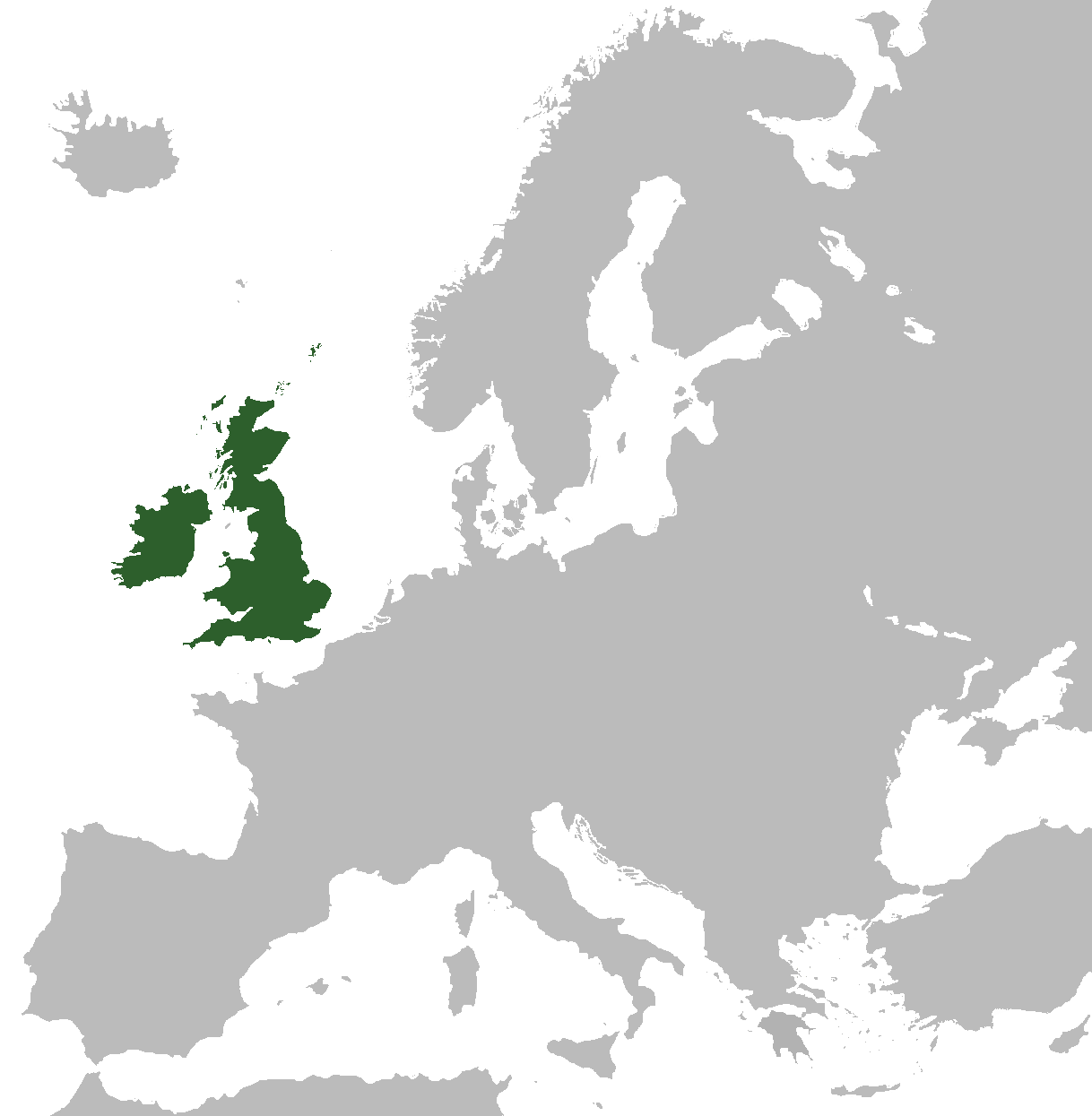

Constitutional development
Government under the Commonwealth passed through several constitutional phases. Initially the surviving Long Parliament, commonly referred to as the Rump Parliament, together with a Council of State, attempted to exercise executive and legislative authority. In 1653 an assembly of nominated members, often called Barebone's Parliament, briefly sat before the army imposed a written constitution, the Instrument of Government, which created the office of Lord Protector. This inaugurated the period usually termed The Protectorate, a mixed system of executive leadership and parliamentary government that was later modified by the Humble Petition and Advice and other measures.
Institutions and administration
- Rump Parliament — the legislative remnant that declared the republic and initiated public policy (Rump Parliament).
- Council of State — the executive body responsible for foreign affairs, finance and administration.
- Lord Protector — head of state under the Instrument of Government; first Oliver Cromwell, then briefly his son Richard.
- Major-Generals — a short-lived military-led regional administration used to enforce security and moral policy.
Military role and religious policy
The New Model Army remained the Commonwealth's most powerful institution and shaped both domestic and foreign policy. Army leaders were central to decision-making, and military force was used to secure control in Ireland and Scotland and to protect English interests abroad. Religious policy combined a measure of toleration for some Protestant sects with continued suppression of others; at the same time the regime sought to limit the political influence of Catholicism and to promote public order according to Puritan principles. Debates about liberty of conscience and the extent of toleration were persistent features of politics during these years.
Ireland, Scotland and overseas affairs
The Commonwealth attempted to bind the three kingdoms under a single authority. Military conquest and political settlement in Ireland and Scotland secured republican rule for a time, but these policies left lasting tensions. Overseas, the regime pursued mercantile and strategic aims: it sought to protect and expand trade, regulate colonial commerce, and pass measures affecting navigation and shipping. Colonial governance was reformed in line with metropolitan priorities, and the period saw an increased focus on Atlantic trade and competition.
Economy, law and society
Administrative reforms addressed taxation, customs and legal processes, while courts and local government continued to function under new political constraints. Social life was affected by wartime disruptions and by moral legislation promoted by those in power. The Commonwealth encouraged commercial activity and naval strength, though war and political uncertainty also created economic strain for many people.
Collapse, Restoration and legacy
Oliver Cromwell governed as Lord Protector from 1653 until his death in 1658; his son Richard succeeded briefly but lacked the authority to maintain the regime. Political divisions, military interventions in politics, and waning support for republican government led to the return of the monarchy in 1660 when Charles II was restored. Historians view the Commonwealth as an unprecedented experiment in republican rule in the British Isles: it had significant effects on constitutional thought, church-state relations, military power, and imperial policy. For further study see works addressing republican government and the debates of the republican government era, the role of the Rump Parliament, and analyses of the Interregnum across England, Ireland and Scotland.
Notable features
- The Commonwealth began with the rare act of regicide and experimented with non-monarchical governance.
- It combined parliamentary institutions with strong military influence and novel constitutional instruments.
- Its policies toward religion, the law, and empire continued to shape British political development after the Restoration.
Questions and answers
Q: What is the Commonwealth of England?
A: The Commonwealth of England was the republican government that ruled England from 1649 to 1660.
Q: When was the Commonwealth declared?
A: The Commonwealth was declared on May 19, 1649, by the Rump Parliament.
Q: What event led to the declaration of the Commonwealth?
A: The execution of Charles I on January 30, 1649, led to the declaration of the Commonwealth.
Q: What is the Protectorate?
A: The Protectorate was the government during 1653 to 1659, which took the form of direct personal rule by Oliver Cromwell and his son Richard as Lord Protector.
Q: Why is the term Commonwealth loosely used?
A: The term Commonwealth is loosely used to describe the system of government during the entirety of the English Interregnum from 1649 to 1660.
Q: Who ruled during the Protectorate?
A: Oliver Cromwell and his son Richard ruled during the Protectorate.
Q: How did the government of the Commonwealth take shape during 1653-1659?
A: The government during 1653-1659 took the form of direct personal rule by Oliver Cromwell and his son Richard, as Lord Protector.
Related articles
Author
AlegsaOnline.com Commonwealth of England (1649–1660) Leandro Alegsa
URL: https://en.alegsaonline.com/art/22042