
Letter (alphabetic character)
A letter is a written symbol in an alphabetic system that represents speech sounds or phonemes. This article explains forms, history, differences from other writing systems, and common uses.
Overview
A letter is a basic written sign in an alphabetic writing system. In such systems each letter usually corresponds to one or more sounds when a language is spoken. Letters form the building blocks of words and, when combined according to orthographic rules, represent the vocabulary and grammar of a language. Many languages use alphabets to record speech, but others use different approaches such as syllabaries or logographic characters; for example, some readers contrast alphabetic writing with systems used for Chinese and related traditions (Chinese).
Image gallery
8 Images


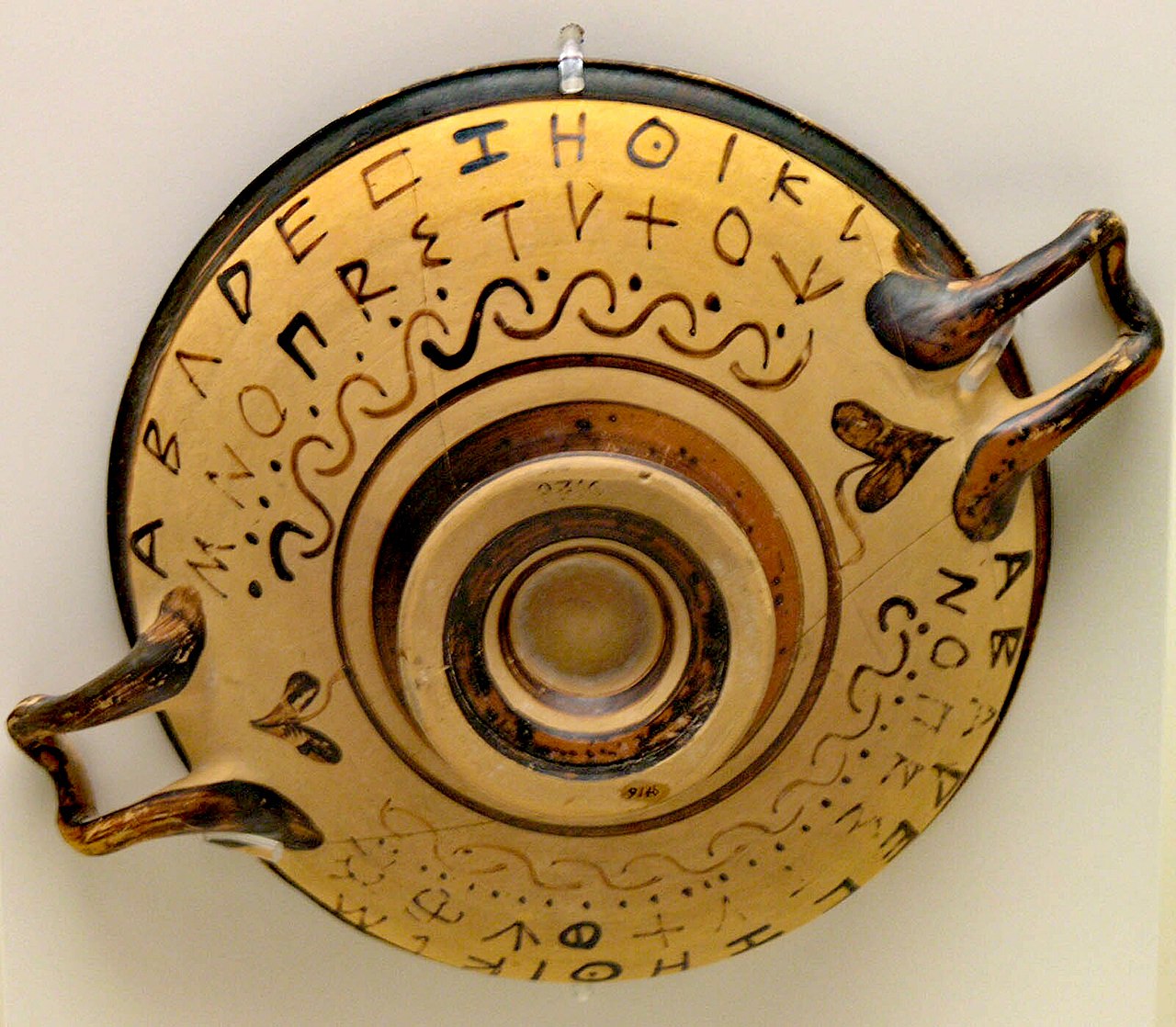

Structure, forms, and terminology
Letters appear in various shapes and styles. Most alphabets distinguish between uppercase (capital) and lowercase (minuscule) forms. Individual letters have names (for example, the name of the letter A) and values in an ordered sequence called the alphabet. In typography letters are also described by their form, stroke order, and whether they carry diacritics (marks added to change pronunciation or meaning).
In linguistic terms a letter is a grapheme: a written unit that typically maps to a phoneme, the smallest contrastive sound unit in a language. In some languages the correspondence between graphemes and phonemes is close, so one letter equals one sound; in others the mapping is more complex and several letters can represent one sound or a single letter can represent several sounds. Examples of these relationships are often contrasted by citing specific languages: languages with shallow orthographies, like Spanish, tend to have regular letter-to-sound mappings, while languages such as English have many irregularities. In linguistic description the term phoneme is used when discussing the sound unit that letters aim to represent.
History and development
Alphabetic letters developed historically from earlier writing systems. Many modern alphabets trace their ancestry to ancient scripts through stages such as the Phoenician and Greek alphabets, which then influenced the Latin alphabet used by English, French, Spanish and many other languages. Other families, such as the Cyrillic alphabet, were created later to represent the sounds of different languages and adapted from Greek letter shapes. The shapes and names of letters evolved with handwriting, engraving and printing technologies, resulting in the variety of letterforms we see today.
Writing systems and contrasts
Not all writing systems use letters. Systems can be categorized roughly as:
- Alphabetic: separate letters for consonants and vowels (for example the Latin alphabet used in much of Europe).
- Abjad: mainly consonants are written; vowels are optional or indicated with diacritics.
- Syllabary: signs represent whole syllables rather than single sounds.
- Logographic: symbols correspond to words or morphemes rather than individual sounds, as in many historic and modern Chinese writing styles.
These distinctions affect literacy, orthographic reform debates, and how easily learners acquire reading and spelling skills in a given language.
Uses, examples, and practical notes
Letters are used to form words for communication in print, handwriting and digital text. Modern computing represents letters with character encodings such as Unicode so that alphabets from many languages can be stored and exchanged consistently. Orthographies may use diacritics, digraphs (pairs of letters representing a single sound), and letter combinations to represent sounds not directly covered by the basic set of letters.
Examples of common issues involving letters include spelling variation, case conversion (upper/lower), alphabetic order used for sorting and indexing, and differences between spoken pronunciation and written representation (for instance, the same letter can represent different sounds in different words or dialects). These practical aspects influence education, typesetting, keyboard design and language standardization efforts.
Notable facts and distinctions
Some alphabets have a one-to-one visual similarity between uppercase and lowercase forms; others show large differences. Letter names and orders can carry cultural significance and are used in mnemonics and coding systems. Orthographies may be reformed to change letter-to-sound mappings, and new letters or modified forms are sometimes added to accommodate sounds of particular languages. For further reading on alphabets and writing systems see general references on writing and scripts (alphabet) and descriptions of individual languages such as sound representations in different tongues. Additional language-specific resources and comparisons can be explored via introductory materials on languages, English, Spanish, Chinese, and other writing traditions.
For scholarly or practical questions about letter forms, orthography, or typographic practice, consult linguistic, historical and typographic sources or language-specific orthography guides (phoneme, French).
Questions and answers
Q: What is an alphabet?
A: An alphabet is a set of symbols, usually letters, that represent the sounds of a language when it is spoken.
Q: How do some languages not use letters for writing?
A: Some languages, such as Chinese, use "ideograms" instead of letters for writing.
Q: What is the smallest part of writing in English and many other languages?
A: The smallest part of writing in English and many other languages is the letter. Letters are used to make words.
Q: Is it easy or difficult to read Spanish compared to English?
A: It is easier to read Spanish than English because there is usually one letter for one sound (or phoneme) in Spanish, while in English several different letters can be used for the same sound or one letter can be used for different sounds in different words.
Q: What alphabet do English, French and Spanish use?
A: English, French and Spanish all use the Latin alphabet for writing.
Q: Are there two different letters for each sound in the Latin alphabet?
A: Yes, there are often two different letters representing each sound in the Latin alphabet - upper case and lower case versions of each letter.
Q: Does Cyrillic have only one letter per sound? A:Yes, except for handwritten Cyrillic which has a much different shape (and usually unrecognisable) capital letter from its lowercase counterpart; Cyrillic generally has only one letter per sound.
Related articles
Author
AlegsaOnline.com Letter (alphabetic character) Leandro Alegsa
URL: https://en.alegsaonline.com/art/57514