
Luminous paint: types, properties, uses, and safety
Luminous paint emits visible light through various mechanisms. This article explains types (photoluminescent, radioluminescent, electroluminescent, fluorescent), composition, history, applications, and safety considerations.
Overview
Luminous paint describes coatings that produce visible light without an integral bulb. Instead of relying on an external lamp, these paints contain materials or systems that absorb energy and re-emit it, or that generate light through electrical or radioactive processes. Common goals are visibility in low light, decorative effects, and safety marking.
Image gallery
5 Images


Main types and how they work
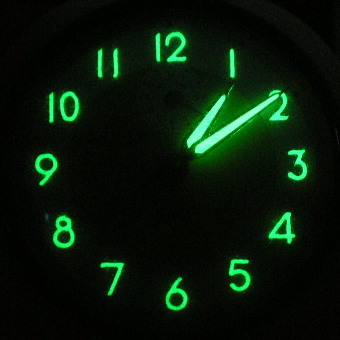
- Photoluminescent (phosphorescent): pigments absorb light (often UV) and slowly release it over minutes to hours. Modern long-lasting pigments are based on alkaline earth aluminates.
- Fluorescent: pigments re-emit light almost immediately while illuminated; they appear especially bright under UV but do not glow after the source is removed.
- Radioluminescent: historically used radium; today some devices use tritium in sealed tubes. These produce light continuously from radioactive decay and are subject to regulation.
- Electroluminescent: require an electrical drive to produce light; they are often applied as panels or coatings with conductive layers rather than simple brush-on paint.
- Chemiluminescent: light results from a chemical reaction (as in glow sticks) and is generally not a durable paint form.
Composition and properties
Most luminous paints combine pigments or phosphors with a binder that adheres to the surface. Performance depends on pigment type, particle size, concentration, and coating thickness. Key characteristics include initial brightness, duration of glow (persistence), recharge speed under light exposure, and color. Photoluminescent pigments are available in several colors, though green and aqua shades typically offer the best persistence.
History and safety
Early luminous paints used radium-based compounds, which later proved hazardous and were discontinued for consumer products. Safer photoluminescent materials gradually replaced them. Small sealed tritium devices remain in specialized applications but are regulated because they contain a radioactive gas. Non-radioactive phosphorescent and fluorescent paints are widely used and considered safe when formulated and applied according to manufacturer guidance; always consult product instructions and local regulations before use.
Applications and practical considerations
Uses range from emergency exit markings, pathway and stair outlines, and watch dials to decorative art and signage. Selection depends on whether continuous light is needed, how long a glow must persist, and environmental exposure. For durable results, surfaces should be clean and primed, multiple thin coats may outperform a single heavy coat, and some formulations benefit from a protective topcoat that does not block light recharge. Manufacturers provide performance data and application tips; see manufacturer guidance for specifics.
Notable distinctions
When choosing a luminous material, distinguish between glow-in-the-dark (photoluminescent) and materials that merely fluoresce under UV. Also consider longevity and regulation: radioluminescent solutions give uninterrupted light but involve regulatory oversight, while photoluminescent paints are passive and easier to deploy widely.
Related articles
Author
AlegsaOnline.com Luminous paint: types, properties, uses, and safety Leandro Alegsa
URL: https://en.alegsaonline.com/art/59905