
Madonna and Child (Virgin and Child)
Artistic subject showing the Virgin Mary with the infant Jesus; widespread in Western painting and Eastern iconography, with many regional styles, historical developments, and devotional uses.
Overview
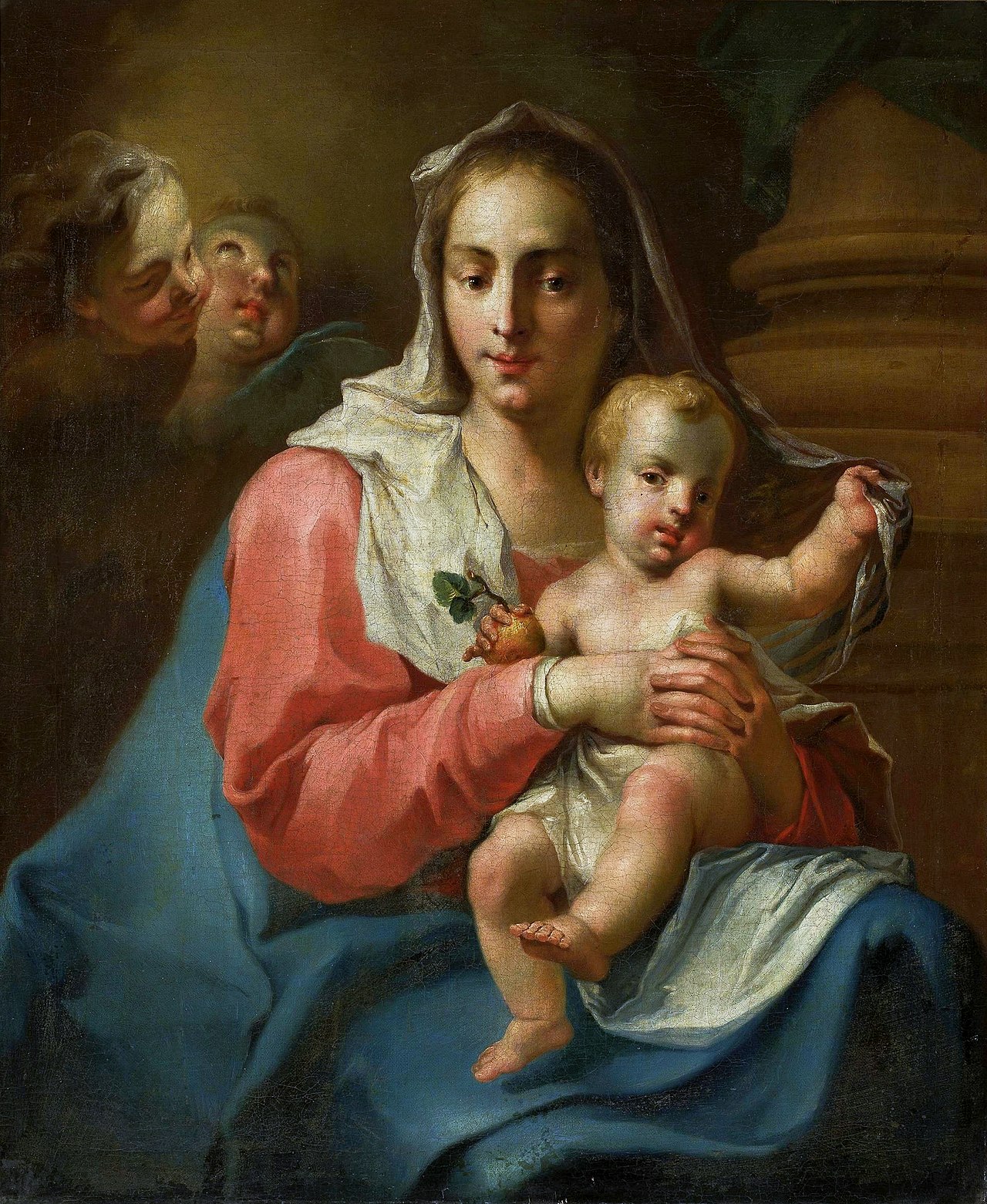
The term Madonna and Child (also called the Virgin and Child) names a central subject in Christian art: the Virgin Mary together with the infant Jesus. The Italian word Madonna literally means “my lady” and became a standard title for images of Mary. These depictions range from monumental altarpieces to small personal devotional panels and objects used in churches, homes, and processions.
Image gallery
10 Images




History and development
Images of Mary with her son have roots in early Christian art and continued through Byzantine, medieval, Renaissance, and later periods. In Western Europe they became especially prominent in places such as Italy, Spain and Portugal, where painters and sculptors explored naturalism, emotion, and narrative. French artists and patrons also shaped local tastes (France). The theme traveled with missionaries and colonists, becoming part of religious life in South America and the Philippines (Philippines), and even appearing in smaller centers such as Switzerland.
Iconography and common types
Artists adopted standard compositions and gestures that communicate theological ideas. Typical types include the enthroned Madonna (Mary as Queen and mother), the tender "Eleusa" (cheek-to-cheek intimacy), and the nursing "Madonna Lactans." Byzantine and Orthodox icons follow canonical models and are often called icons, which emphasize symbolic formality over naturalism.
Regional traditions
The style and devotional use of Madonna and Child vary widely. In Eastern Europe and the Balkans (Eastern Europe) and in Russia, the image is central to Orthodox liturgy and personal piety. Coptic and other Oriental traditions preserved distinct types in Egypt (Egypt) and the Middle East (Middle East). South Asian Christian communities developed their own visual language in places such as India.
Uses, meanings, and legacy
Beyond liturgical contexts, Madonna and Child images function as teaching tools, objects of private devotion, and symbols of maternal love and divine protection. They influenced book illumination, sculpture, stained glass, and modern reproductions. The subject continues to be reinterpreted by contemporary artists and remains one of the most recognizable and enduring motifs in Christian visual culture.
Quick reference
- Scope: religious art subject present across Catholic and Orthodox traditions.
- Forms: panel painting, fresco, icon, sculpture, print.
- Common themes: maternity, intercession, incarnation, tenderness.
Questions and answers
Q: What is The Madonna and Child?
A: The Madonna and Child is a name given to a work of art that depicts the Virgin Mary and the Child Jesus.
Q: What does the word Madonna mean?
A: The word Madonna means "My Lady" in Italian.
Q: Which countries have the Madonna and Child artworks as part of their Roman Catholic tradition?
A: The Madonna and Child artworks are part of the Roman Catholic tradition in Italy, Spain, Portugal, France, South America, Switzerland, and the Philippines.
Q: What are icons?
A: Icons are paintings that are an important tradition of the Orthodox Church and often depict Mary and the Christ Child.
Q: Where are icons found?
A: Icons are found particularly in Eastern Europe, Russia, Egypt, the Middle East, and India.
Q: Is the Madonna and Child a popular subject in the world of art?
A: Yes, the Madonna and Child is a popular subject in the world of art.
Q: Why is the Madonna and Child a popular subject in the world of art?
A: The Madonna and Child is a popular subject in the world of art because it reflects the religious beliefs of many cultures and has been celebrated in art for centuries.
Related articles
Author
AlegsaOnline.com Madonna and Child (Virgin and Child) Leandro Alegsa
URL: https://en.alegsaonline.com/art/60514