
Heraldic badge: identity emblem distinct from a coat of arms
A heraldic badge is an emblem granted alongside coats of arms for use by followers, organisations or institutions. It differs from a full heraldic achievement and has historical and modern civic uses.
Overview
A heraldic badge is a distinctive emblem granted by an official heraldic authority to be used by the supporters, followers, servants or bodies associated with an armiger. It is separate from, and not part of, the armiger's full heraldic achievement (the shield, crest, supporters and motto). Badges provide a simple, recognisable device that can be displayed on clothing, flags, buildings, equipment and other objects to signify allegiance or identity without reproducing the complete coat of arms.
Image gallery
10 Images


Characteristics and design
Badges are typically simpler than a full achievement and often consist of one or two clear elements: a charge, a stylised motif, or a grouped set of symbols. They may be monochrome or use limited tinctures for clarity when sewn, painted or stamped. Unlike a crest, which sits atop a helmet in an armorial composition, a badge is an independent emblem intended for broad practical use. A badge can be worn as a badge of office, worked into livery, hung from a collar or flown on a pennon.
History and development
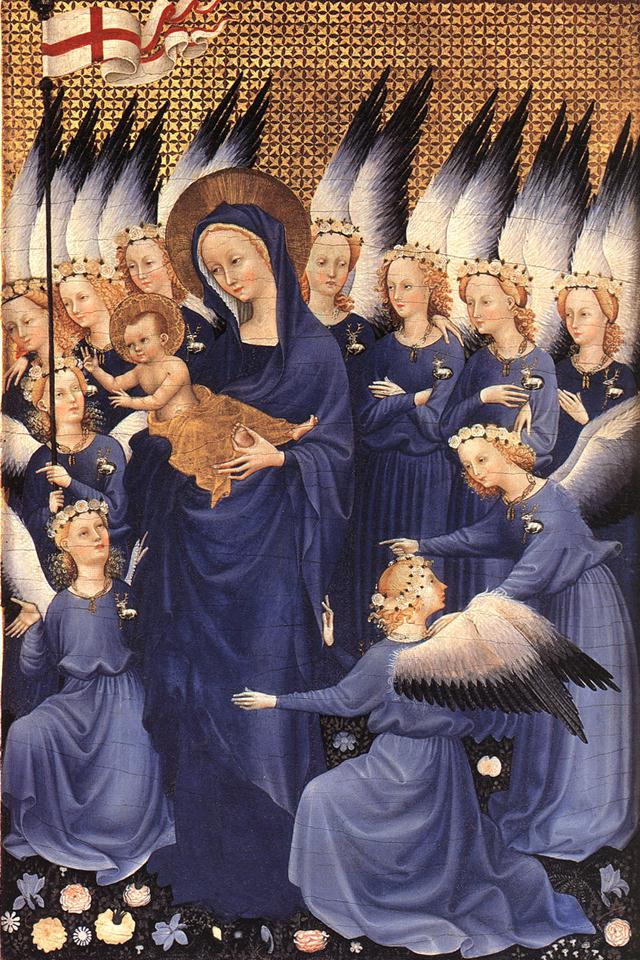
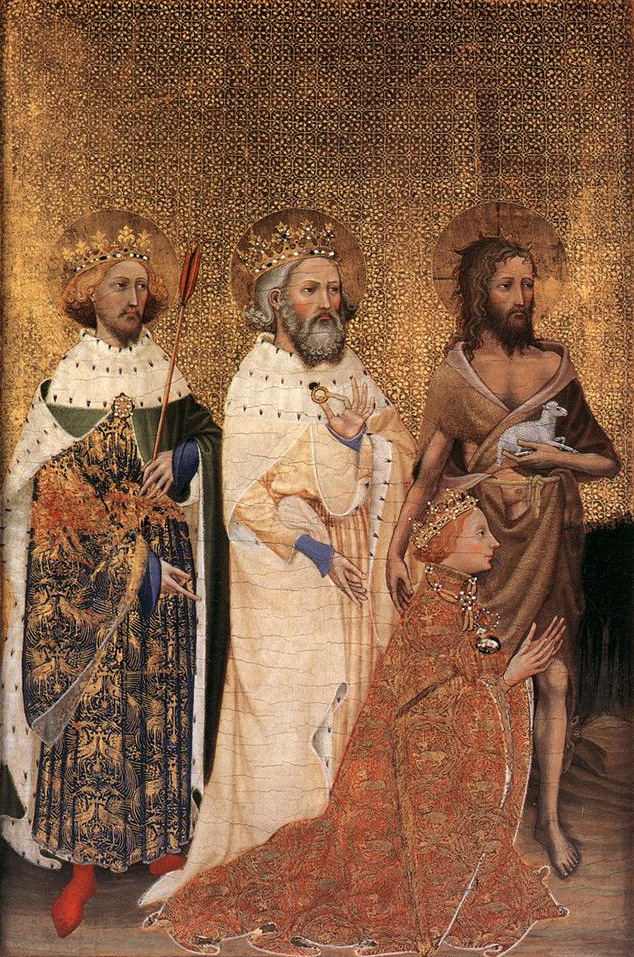
The use of badges dates to the medieval period when knights and nobles granted arms would have numerous retainers. Those followers were not permitted to display the full achievement of their lord, so a badge gave them a permitted way to show their connection. Over time, the badge became a recognised part of heraldic practice in many European traditions and was often recorded or granted by the same heraldic authority that issued coats of arms.
Uses and examples
Badges continue to serve practical and ceremonial roles. Municipal departments, cadet units, civic bodies and organisations often employ a badge where the full coat of arms is reserved for the office-holder. For example, many English towns and cities possess an achievement of arms, yet the council as a corporate body or its mayor may alone be entitled to display the full arms; council vehicles and departments commonly carry a simpler badge instead. Similarly, members of a household, staff, or followers historically wore livery badges to indicate service.
- Personal and dynastic badges used by nobles and royal houses
- Civic and municipal badges used by local authorities and public bodies
- Organisational badges used by clubs, schools, regiments and charities
Legal status, grant and restrictions
Badges are usually granted by the same official body that grants arms and their use is subject to permission. In England and other jurisdictions with formal heraldic authorities, unauthorized assumption or misuse of a granted badge may be discouraged or subject to legal or administrative action. The badge remains the property of the grantee and may not be adopted by others without consent. Contemporary practice emphasises clear registration and description so that users and the public know who is entitled to display a particular device.
Notable distinctions and famous examples
It is important to distinguish a badge from related heraldic elements: the shield or arms, the crest, and devices such as supporters or mottos. A well-known example of a personal badge is the "Prince of Wales's Feathers", a heraldic badge associated with the heir apparent to the British monarch. Such badges persist where a full coat of arms might be too elaborate or where a single emblem better serves identification. For background on terminology and formal processes, see references on armigers and heraldic practice such as armiger-related sources.
Related articles
Author
AlegsaOnline.com Heraldic badge: identity emblem distinct from a coat of arms Leandro Alegsa
URL: https://en.alegsaonline.com/art/43673