
Lockheed F-117 Nighthawk
The Lockheed F-117 Nighthawk is the United States’ first operational stealth attack aircraft, noted for its faceted shape, radar‑deflection design, subsonic speed and service in conflicts such as the Gulf War and Kosovo.
The Lockheed F-117 Nighthawk is a single-seat, subsonic military jet developed by Lockheed and flown by the United States Air Force. It was the first combat aircraft designed from the outset to minimize detection by radar using principles of stealth technology. Built for precision ground-attack missions, the F-117 combined a radically angular exterior, internal weapons bays and special materials to reduce its radar cross-section while carrying guided munitions.
Image gallery
10 Images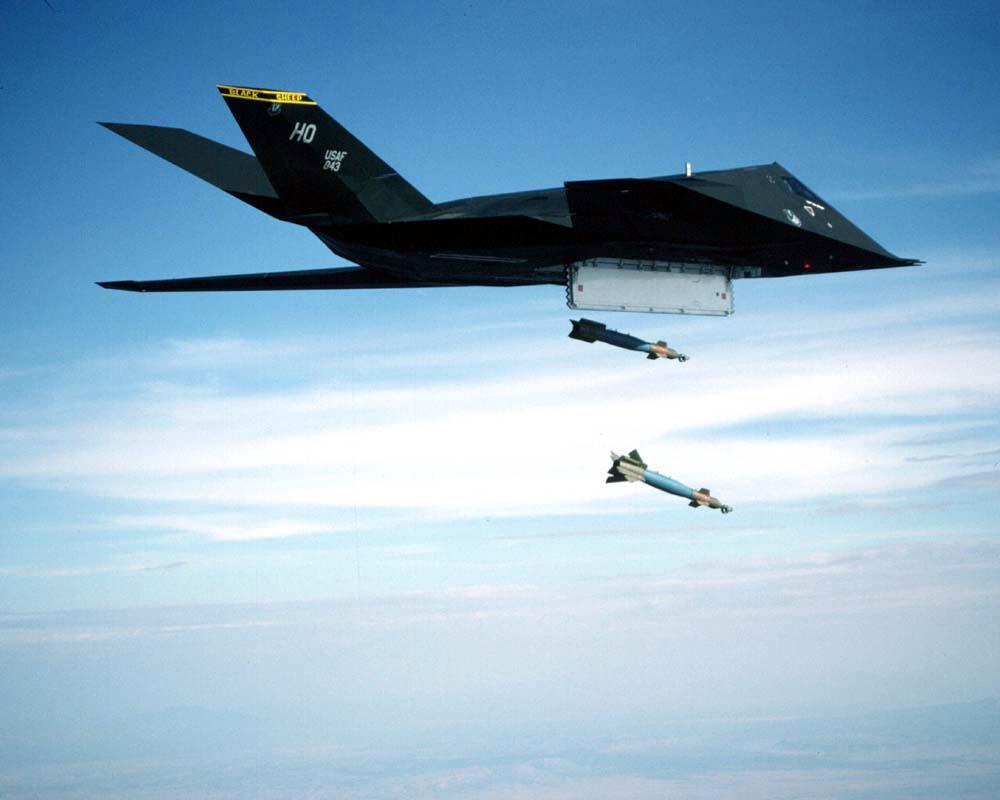




Design and characteristics
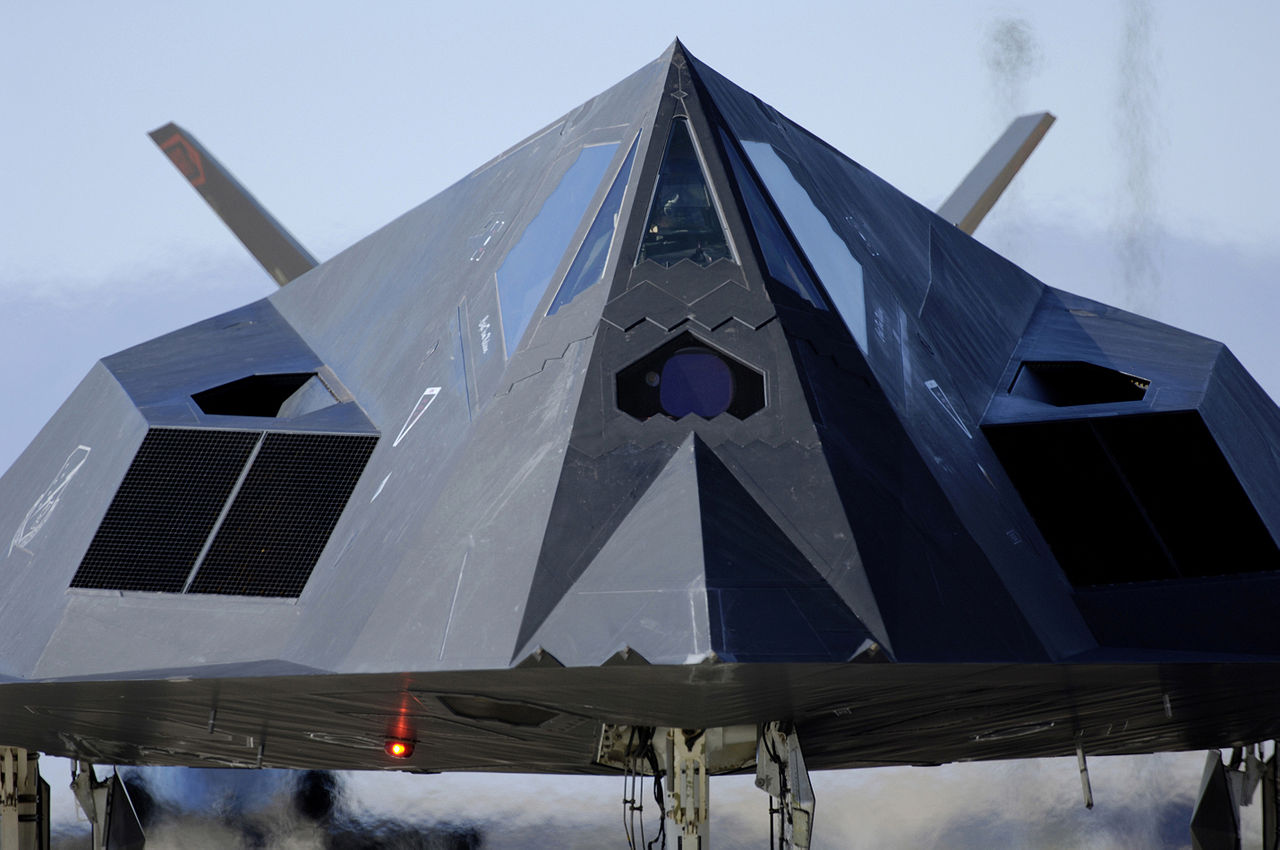
The Nighthawk’s outwardly unusual, faceted shape resulted from early computational methods for predicting radar reflection: flat panels were arranged so radar energy would be directed away from the source. Unlike later stealth designs that use smooth curves, the F-117’s geometry reflects the limits and innovations of 1970s and 1980s engineering. It is powered by twin turbofan engines concealed within the fuselage and is limited to subsonic speeds. Armament is carried in internal bays to preserve low observability, and the aircraft accommodates a single pilot with advanced navigation and attack avionics.
Operational history
The F-117 entered service as a specialized strike platform and saw combat in several high-profile operations. It was used to strike high-value, well-defended targets during the Gulf War and later flew missions in the Balkans as part of NATO operations, including strikes during the campaign over Kosovo. Its ability to operate at night and before effective countermeasures were widespread made it a valuable asset for opening phases of conflicts.
Legacy and limitations
The F-117 demonstrated how shaping, materials and sensor-management could significantly reduce detectability and influence aircraft design for decades. Its retirement in the 2000s reflected both the emergence of more capable multirole stealth fighters and evolving mission requirements. The Nighthawk remains notable for showing that practical stealth aircraft were achievable; its service influenced subsequent programs that favor blended shapes, improved materials and integrated avionics for lower observability and greater performance.
Notable facts
- Role: precision strike / ground attack with emphasis on survivability against radar-guided defenses.
- Crew: single pilot; weapons carried internally to preserve low observability.
- Speed and performance: intentionally subsonic; optimized for low observability rather than speed or maneuverability.
- Impact: proved stealth concepts in combat and shaped later aircraft design philosophy.
While the F-117’s appearance and classified origins made it the subject of public fascination, its lasting importance is technical and doctrinal: it shifted air operations toward exploiting low-observable technologies and precision-guided munitions to achieve strategic effects with reduced risk to aircrews. For further technical and historical details consult dedicated aviation references and official histories.
Related articles
Author
AlegsaOnline.com Lockheed F-117 Nighthawk Leandro Alegsa
URL: https://en.alegsaonline.com/art/58775