
Stealth technology (low observability): principles, methods and applications
Stealth technology, or low observable (LO) techniques, reduces detectability of vehicles and weapons across radar, infrared, acoustic and visual spectra using shaping, materials and tactics.
Overview
Stealth technology, also called low observability (LO), is a suite of design approaches and operational methods intended to reduce the detectability of military platforms such as aircraft, ships and missiles. Rather than making an object invisible, LO reduces the strength, range or certainty of detection by sensors — most commonly radar, but also infrared, acoustic and visual systems. The goal is to delay or prevent detection, tracking and engagement so a platform can complete a mission with lower risk.
Image gallery
10 Images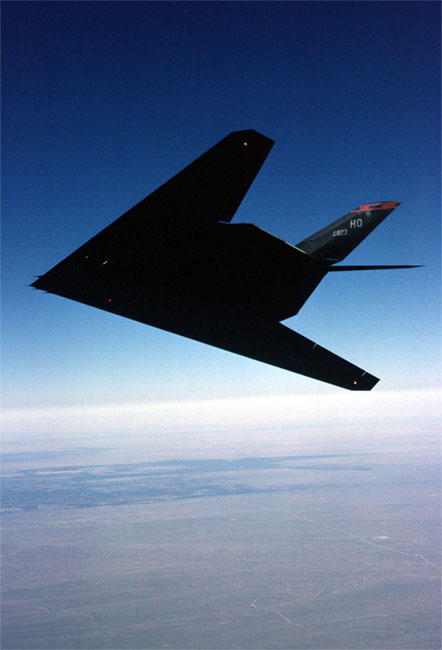


Key techniques and components
Stealth is achieved by combining multiple techniques. Major elements include:
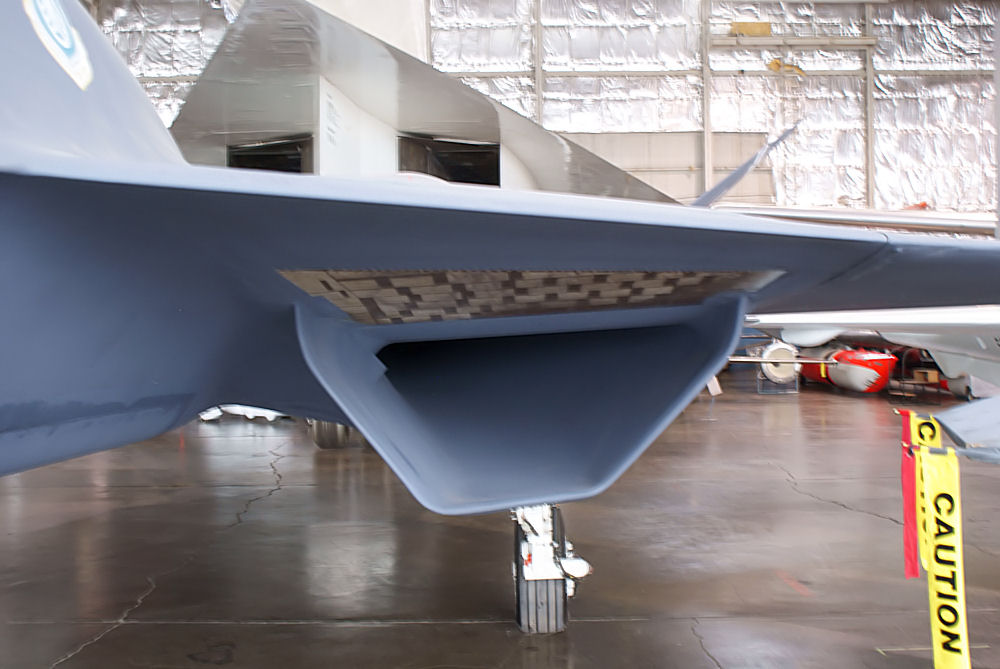
- Shaping: geometric design that scatters or redirects incoming radar waves so less energy returns to the source.
- Specialized materials: coatings and structural materials that absorb or attenuate radar and infrared emissions.
- Signature management: reducing heat, noise and visual cues through engine placement, exhaust cooling, and surface treatments.
- Electronic measures: emissions control, jamming, deception and fused sensor-countermeasure tactics.
- Operational tactics: flight profiles, route planning and formation discipline that minimize exposure to sensors.
History and development
The idea of reducing detectability grew alongside the development of detection systems. Early work explored materials and shapes that altered returns to radar and other sensors; research intensified during the mid-20th century and continued through the Cold War as sensor capabilities matured. Over decades, engineering advances in composites, computation and sensor fusion enabled practical LO designs widely used by several countries.
Applications and examples
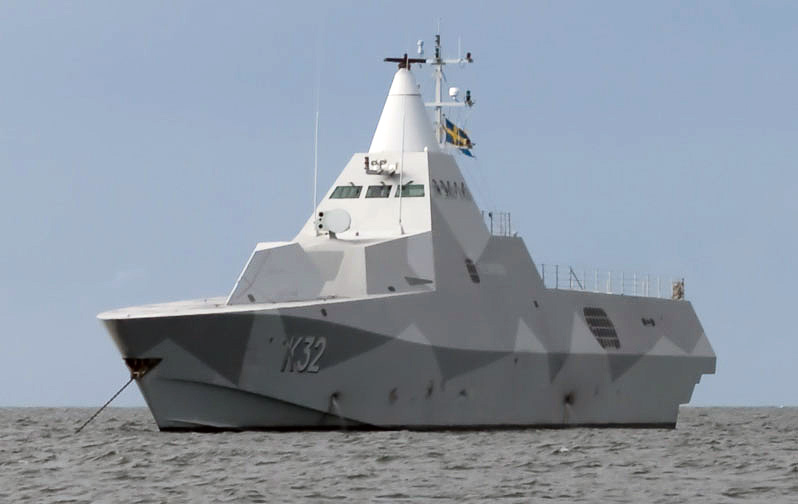
Stealth methods appear across many platforms. In aviation, LO shaping and materials are prominent in modern combat aircraft to reduce radar cross-section and infrared signature. Naval designs apply low-observable principles to reduce radar returns and thermal plumes. Missiles and some unmanned systems also use LO measures to improve survivability. Beyond pure platform stealth, commanders use tactics and electronic warfare together with LO design to achieve mission objectives.
Limitations and considerations
Stealth is a trade-off: design choices can affect cost, maintenance, payload and aerodynamic performance. LO does not defeat detection entirely; it complicates or delays it. Advances in sensor technology, multispectral detection, and data fusion can reduce the advantages of any single LO technique, so modern practice blends engineering, tactics and electronic support to manage signatures holistically.
Notable distinctions
"Stealth" often refers specifically to radar cross-section reduction, while "low observability" is broader, covering multiple signature types. Effective signature management is multidisciplinary, combining aerospace engineering, materials science, thermal engineering and operational planning to shape how a platform appears across different sensor domains.
Related articles
Author
AlegsaOnline.com Stealth technology (low observability): principles, methods and applications Leandro Alegsa
URL: https://en.alegsaonline.com/art/93606