
Low-observable aircraft: design principles, materials, and operational limits
Overview of low-observable aircraft: principles of stealth shaping, radar‑absorbent materials and multispectral signature control, plus operational trade‑offs, maintenance challenges and countermeasures.
A stealth aircraft is a type of aircraft engineered to reduce the likelihood of detection, particularly by radar, through a combination of shaped surfaces, specialised materials and other signature-control measures.
Image gallery
10 Images


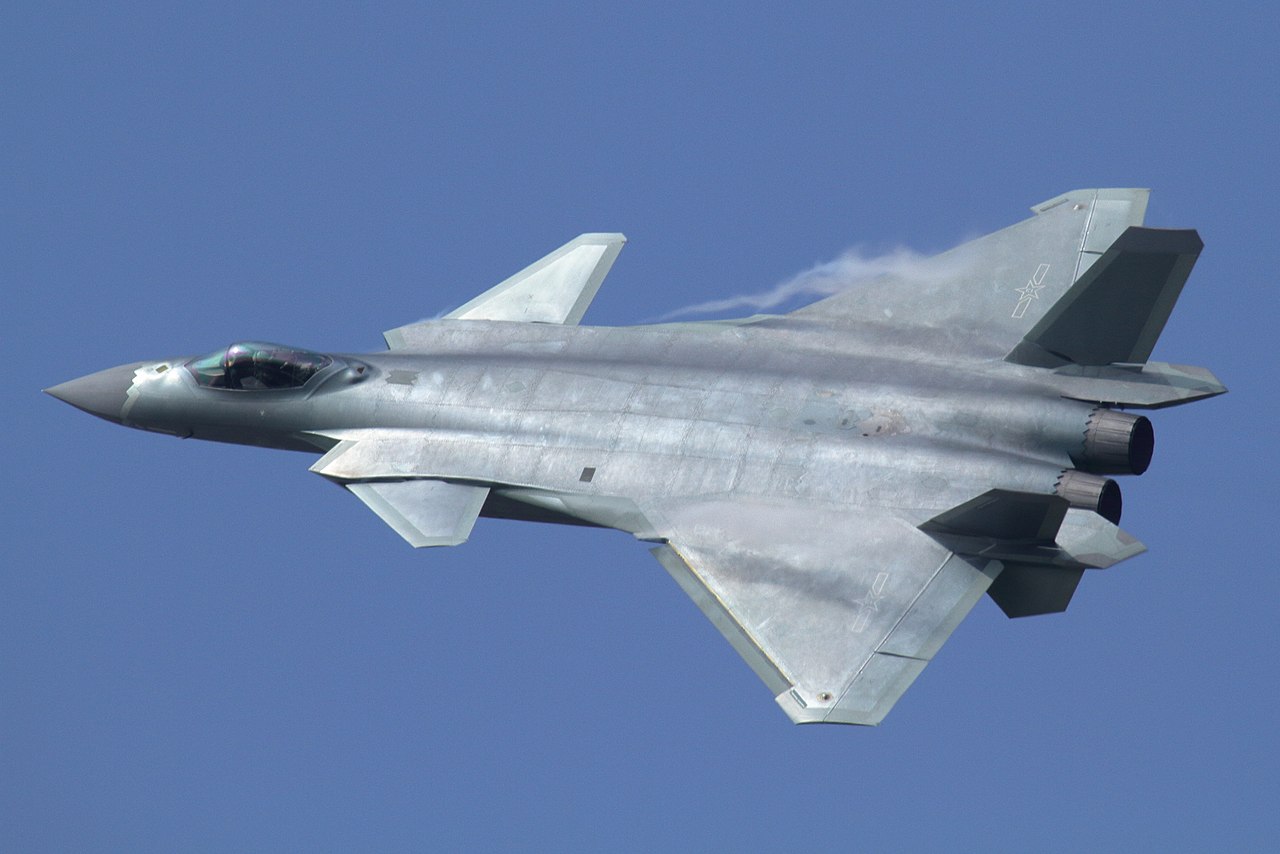

How stealth works
Stealth design aims to minimise an aircraft's observable signatures across several domains. The most commonly discussed is the reduction of the radar cross section (RCS), but designers also address infrared, visual, acoustic and electronic emissions. Achieving low observability typically requires trade-offs between aerodynamics, payload, performance and cost.
- Shaping: Surfaces and edges are arranged to deflect incoming radar energy away from the transmitter rather than back to it. Smooth contours, faceted surfaces and internal weapon bays are common design features that help reduce RCS.
- Materials: Special coatings and structural components absorb or scatter radar waves. These can include composites and specialised alloys, as well as radar-absorbent materials (RAM) applied to external surfaces.
- Signature management: Measures such as exhaust cooling or shielding reduce the infrared footprint, while careful routing of openings and use of dampening treatments lower acoustic and visual detectability. Emissions control systems limit the chance of being found by electronic surveillance.
Applications and examples
Stealth aircraft are primarily used for missions where surprise and survivability in heavily defended areas are important, such as strike and reconnaissance operations. Several military programs around the world have produced operational low-observable aircraft, which combine stealth features with sensors and weapons to carry out specific roles.
Limits and countermeasures
Stealth reduces but does not eliminate detectability. Advances in sensor technology, networked detection (passive and bistatic radar), low-frequency radar bands, infrared search-and-track systems, and long-duration persistent surveillance have increased the ability to locate low-observable platforms. Maintenance of stealth coatings and materials also raises lifecycle costs and logistical demands.
Future trends
Ongoing development focuses on improving materials, adaptive signatures, multispectral signature control, and integrating stealth with electronic warfare and sensor fusion. The goal is to maintain the advantages of low observability while mitigating trade-offs in performance and maintenance.
Because stealth involves many disciplines, its practices draw on advances in materials science, aerodynamics and sensor technology. Designers must continuously adapt as detection techniques evolve.
Related articles
Author
AlegsaOnline.com Low-observable aircraft: design principles, materials, and operational limits Leandro Alegsa
URL: https://en.alegsaonline.com/art/93604