
Locomotive: the powered vehicle that moves a train
A locomotive is the powered vehicle that provides motive force for a train. This article explains types, components, history, typical uses and how locomotives differ from multiple units.
Overview
A locomotive is the rail vehicle whose primary purpose is to generate and transmit the tractive effort required to move a train. In conventional practice the locomotive is mounted at one end of a set of cars and contains the machinery that produces power. In some modern designs the motive power is distributed within passenger cars or freight wagons instead of being concentrated in a separate unit.
Image gallery
10 Images



Main components and types
Most locomotives combine a power source and a transmission or electrical system that delivers torque to the wheels. Common elements include a cab for crew control, a prime mover or power source, traction motors or drive gears, and bogies or wheelsets that support and guide the vehicle. Typical categories are:
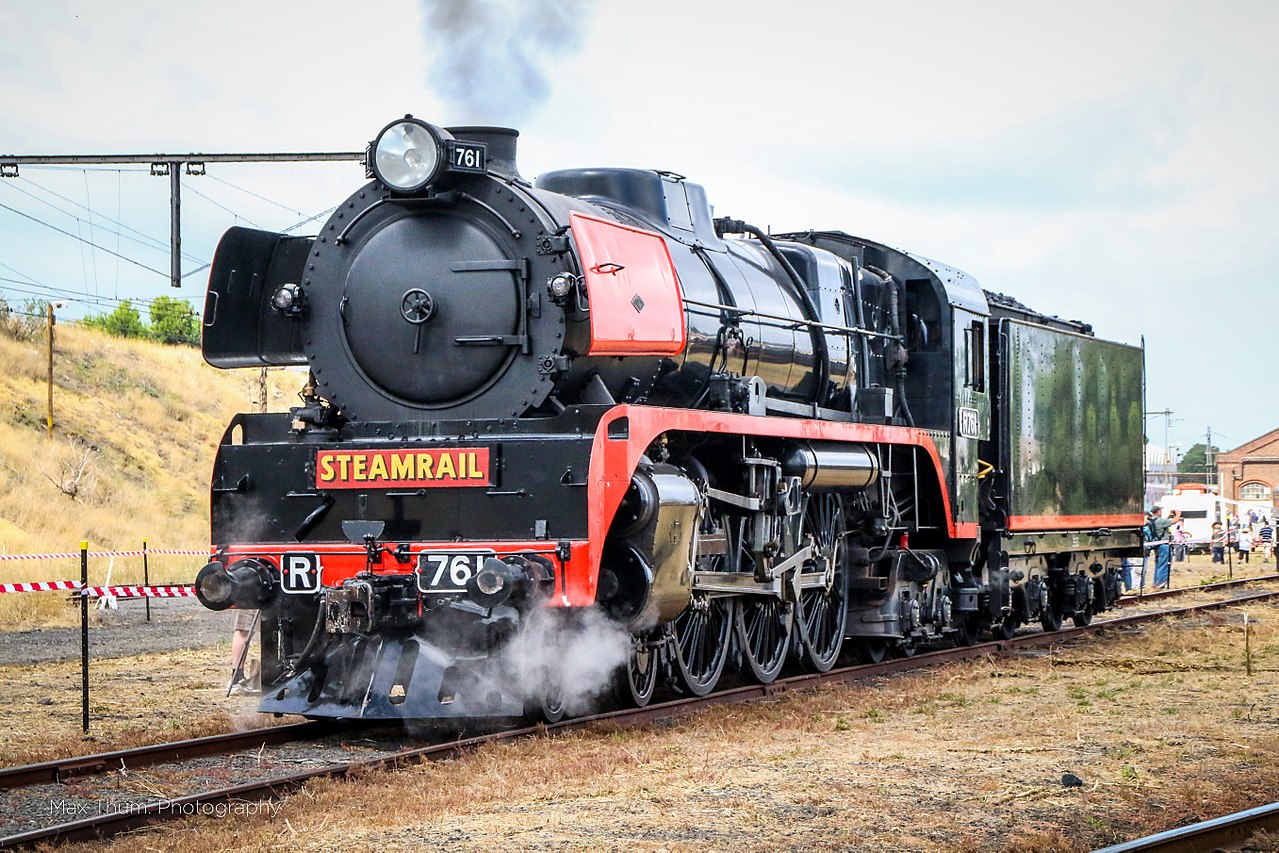
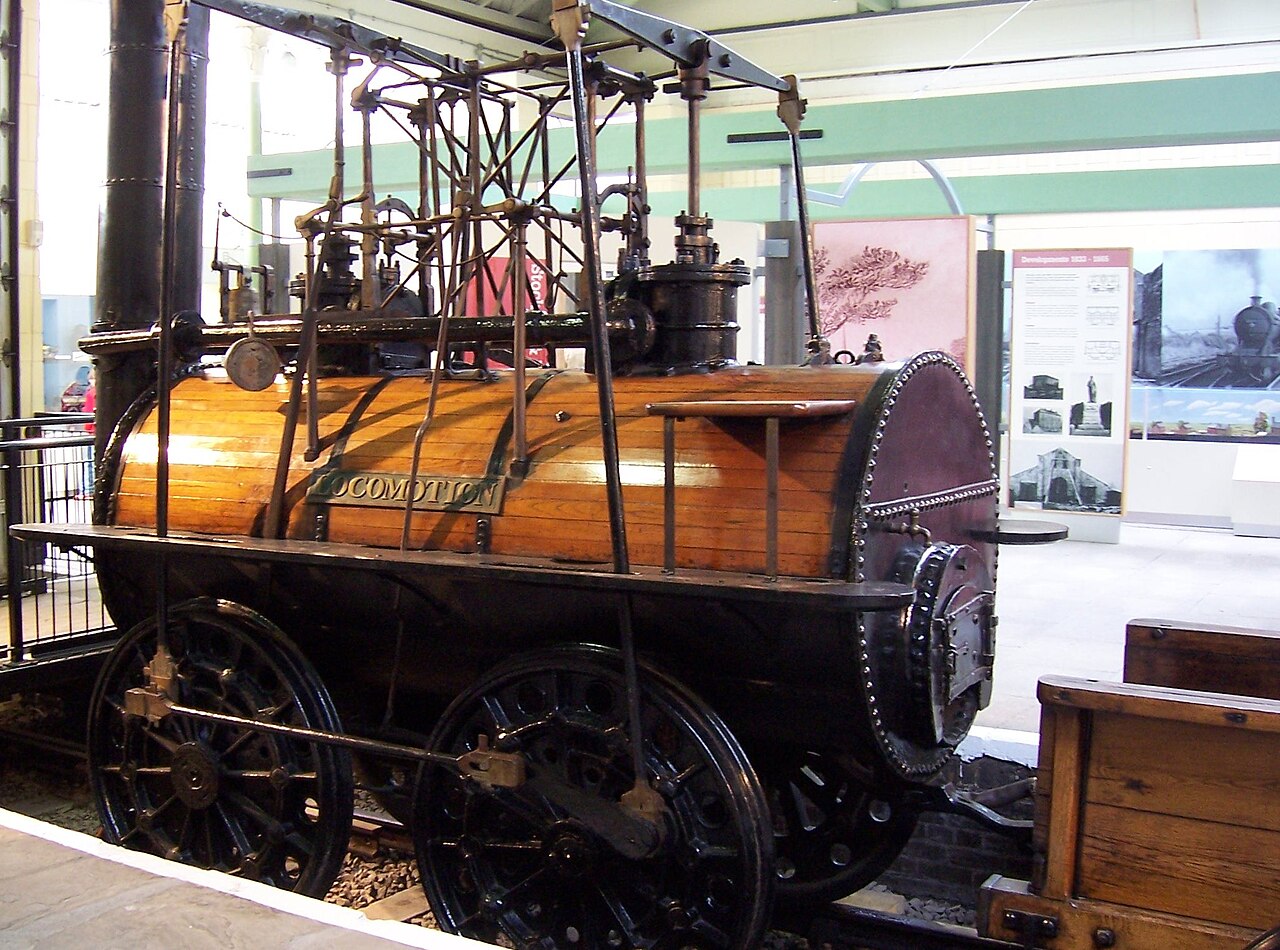
- Steam – early boilers and pistons driving wheels directly.
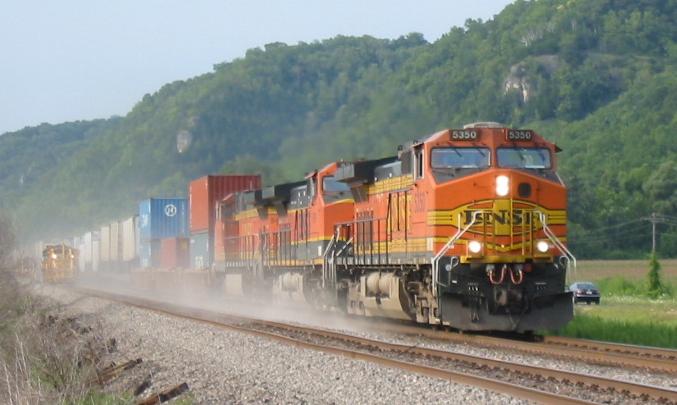
- Diesel-electric – a diesel engine drives a generator which feeds electric traction motors.
- Diesel-hydraulic – diesel power transmitted via hydraulic transmissions.
- Electric – receives power from overhead lines or a third rail.
- Battery, hybrid and experimental – emerging options for low-emission or off-wire operation.
History and development
Locomotives evolved from early steam machines in the 19th century to electrically powered and diesel-based types in the 20th century. Electrification and dieselisation gradually replaced steam for mainline services in many regions. Advances in power electronics, adhesion control and modular design have improved efficiency and reliability, shaping modern freight and high-speed passenger traction.
Uses, operation and distinctions
Locomotives are used for freight haulage, long-distance passenger trains, and yard shunting. Their design emphasizes continuous tractive effort, reliability and serviceability. They should be distinguished from multiple units and power cars: multiple units distribute motors under several vehicles so the train has no single dedicated locomotive, and a power car may be attached to push or pull a fixed set of coaches.
Notable facts
Selection of a locomotive type depends on route electrification, train weight, speed profile and operating economics. Modern locomotives often include regenerative braking, computerized controls and remote diagnostics. For more on railway systems see rail transport.
Related articles
Author
AlegsaOnline.com Locomotive: the powered vehicle that moves a train Leandro Alegsa
URL: https://en.alegsaonline.com/art/58794