
Log driving
Log driving is the historical practice of moving cut timber to sawmills by floating, rafting, or channeling logs on waterways and temporary channels.
Overview
Log driving refers to moving felled trees from cutting sites to a processing location such as a sawmill. The term covers several related methods that use rivers, constructed channels, temporary dams or overland routes to convey whole logs or bundled rafts. It was an economical solution where forests lay near navigable water and roads were scarce.
Image gallery
5 Images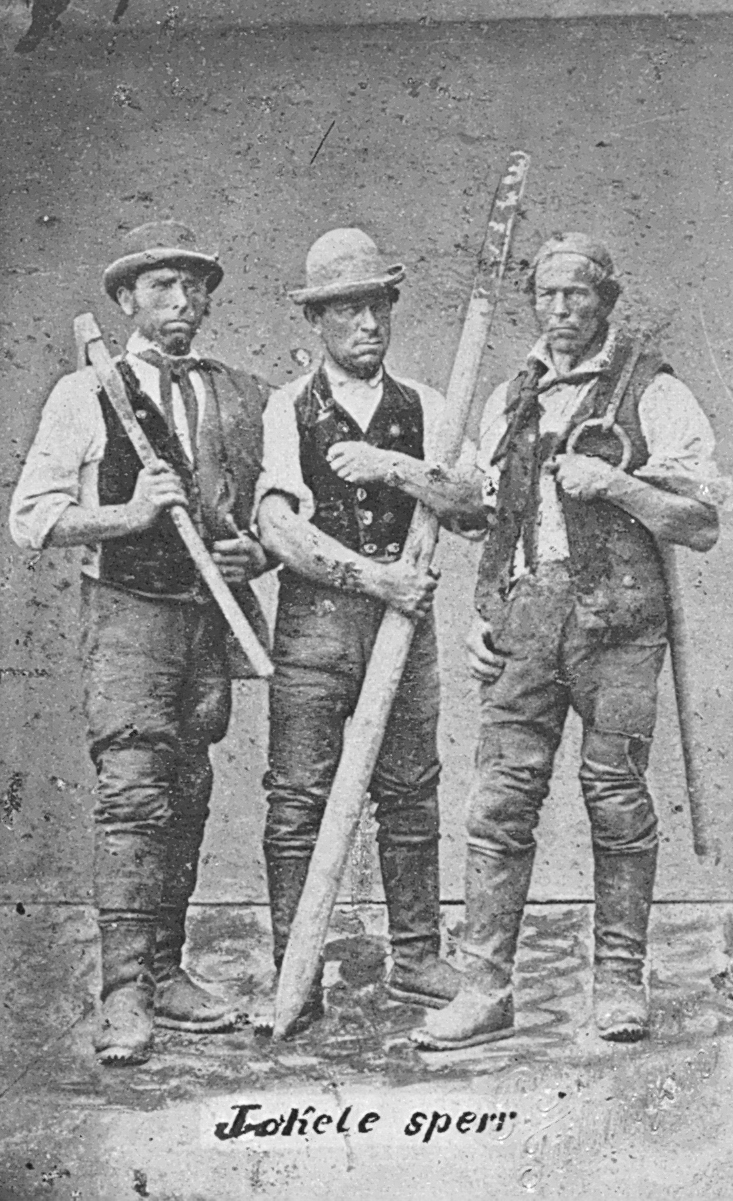


Techniques and equipment
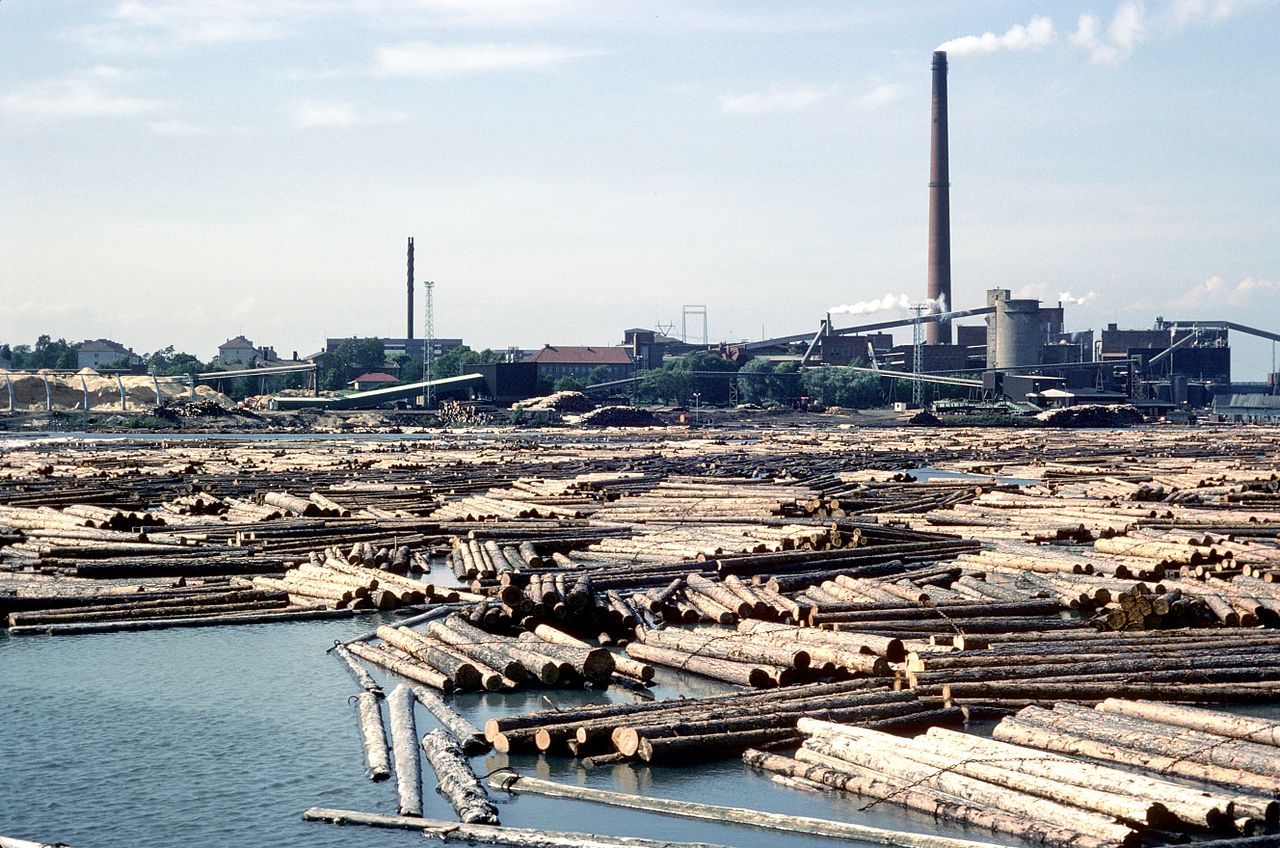
Methods ranged from sending single, loose logs downstream to forming large rafts lashed together and guided by crews. Special structures and seasonal operations were common: splash dams temporarily raised water to flush logs, while permanent booms and holding ponds controlled accumulation and sorting. Crews used hand tools and small boats to manage movement.
- Common tools: peaveys, cant hooks, pike poles and spars.
- Transport elements: log rafts, booms, splash dams, flumes and sluices.
- Typical regions: Scandinavia, Russia, Canada, and parts of the United States.
History and development
The practice dates back centuries but expanded greatly with industrial demand for sawn lumber and pulp in the 18th to early 20th centuries. Log driving supported seasonal logging camps and shaped local economies where timber was a primary export. With the arrival of improved roads, railways and trucks, many traditional drives declined by mid-20th century.
Uses, impacts and decline
Log driving made it possible to move large volumes of timber at relatively low cost and enabled development of remote forests. However, it altered river channels, disturbed fish habitat and caused bank erosion. Safety risks were significant for crews, and environmental concerns contributed to regulation and eventual replacement by mechanized transport.
Legacy
Although largely obsolete as a commercial technique, log driving survives in cultural memory through songs, literature, museums and annual heritage events in former logging regions. Remnants of booms, flumes and drive roads can still be found in landscapes shaped by this once-common form of timber transport.
Related articles
Author
AlegsaOnline.com Log driving Leandro Alegsa
URL: https://en.alegsaonline.com/art/58829