
Lips
The lips are the soft, movable borders of the mouth involved in eating, speech, sensation and social expression; they have distinct anatomy, common disorders, and cultural roles.
Overview
The lips are the soft, mobile tissue forming the margin of the mouth. In most people the lower lip is larger than the upper lip; the upper lip often shows the "Cupid's bow" shape at its centre. Lips serve multiple roles in feeding, verbal articulation, tactile sensing and nonverbal communication. For a basic anatomical reference see mouth.
Image gallery
10 Images




Structure and parts
Externally the lips consist of skin, a transition zone called the vermilion, and the inner mucous membrane. Key features include the vermilion border (the edge between lip and facial skin), the philtrum above the upper lip, and the labial frenulum that connects lip to gum. The main muscle is the orbicularis oris, which controls closing and shaping of the mouth. Blood vessels close to the surface give lips their reddish colour, and many sensory nerve endings make them highly sensitive to touch.
Functions
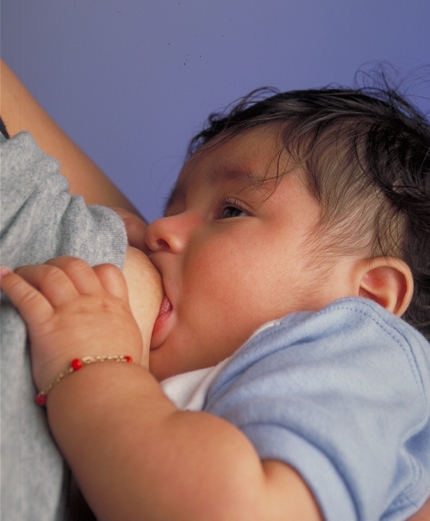
- Feeding: seal and manipulate food and liquids during eating and drinking.
- Speech: shape sounds and control airflow for articulation.
- Sensory: detect texture, temperature and pain through numerous nerve endings.
- Social and emotional signalling: facial expressions, kissing and other social contacts convey emotions and intent.
Development and common conditions
Lips form early in fetal development from facial prominences; incomplete fusion can produce cleft lip, a common congenital difference. Many non‑serious conditions affect the lips: dryness or chapping, angular cheilitis, cold sores caused by herpes simplex, sun damage and trauma. Herpes simplex infections (cold sores) are contagious and spread through close contact such as kissing or during sexual activities; general information about lip problems is available at resources listed under diseases and herpes. Transmission routes can include direct contact like kissing or oral sex.
Clinical and cultural importance
Clinically, lips are assessed for nutrition, circulation and signs of systemic disease; they are also the site for cosmetic procedures such as fillers and surgical repair. Culturally, lips feature in expressions, beauty standards and communication practices worldwide. Their high visibility and sensitivity make them important both medically and socially.
Notable distinctions
Compared with the surrounding facial skin, the vermilion is thinner, more richly vascularised and lacks normal sweat glands, which contributes to vulnerability to drying and sun damage. In other mammals, lips may be adapted for different tasks such as grooming or prehension, but in humans they are particularly specialised for speech and fine social signalling.
Related articles
Author
AlegsaOnline.com Lips Leandro Alegsa
URL: https://en.alegsaonline.com/art/58354