
Lindane (gamma‑HCH): uses, properties, hazards and regulation
Lindane is the gamma isomer of hexachlorocyclohexane, used historically as an insecticide and in medical treatments; it is persistent, bioaccumulative and widely regulated due to health and environmental concerns.
Overview
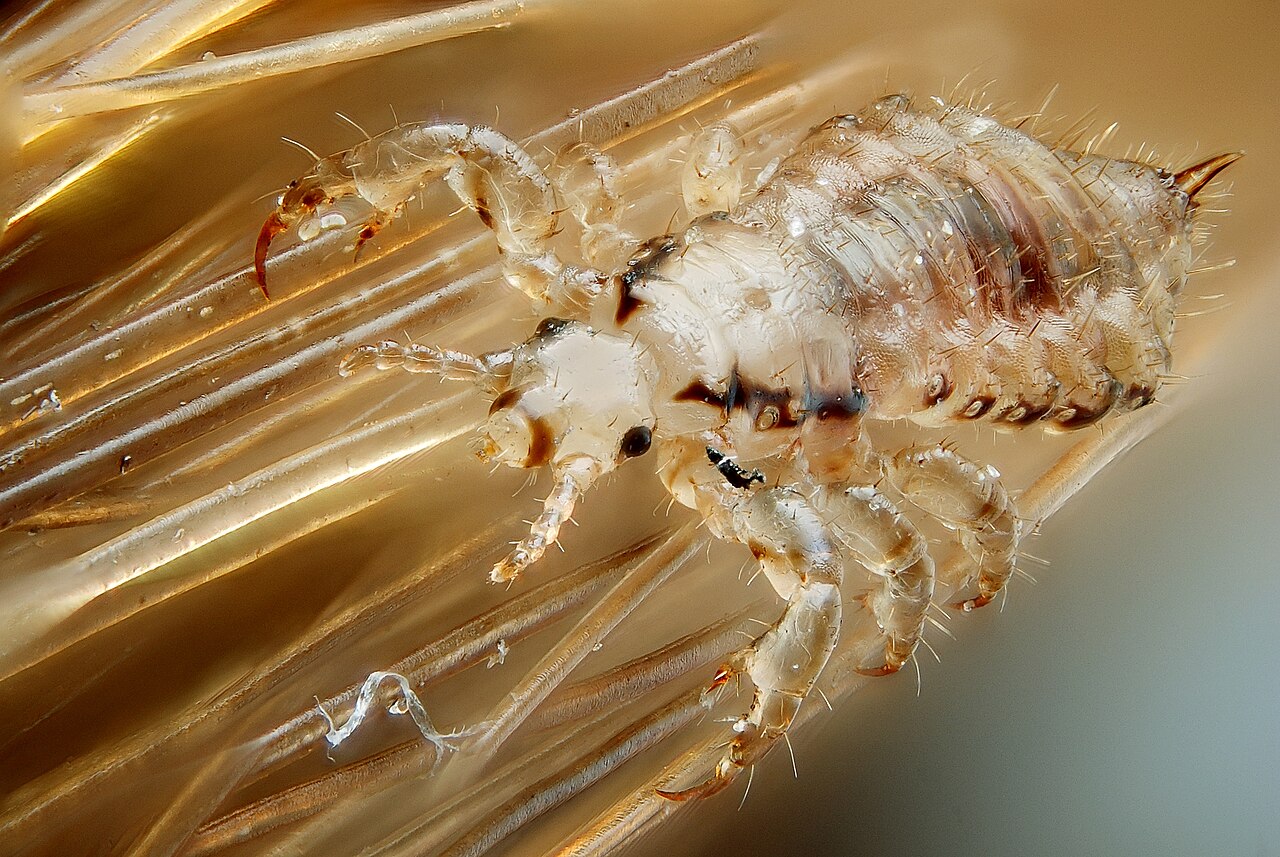
Lindane is the common name for the gamma isomer of hexachlorocyclohexane (gamma‑HCH). It has been used as an insecticide in agriculture, for seed treatment and stored‑product protection, and in pharmaceutical formulations to treat lice and scabies. Lindane is a chlorinated organic compound noted for its insecticidal effectiveness but also for its persistence in the environment and potential to accumulate in animal and human tissue.
Image gallery
2 Images
Chemical characteristics and environmental behavior
Chemically, lindane is one of several isomers produced when technical hexachlorocyclohexane is manufactured; the technical product contains substantial amounts of other isomers (alpha, beta, delta) that have different toxicities and environmental fates. Lindane is relatively stable, resists rapid breakdown, and can volatilize, be transported long distances in the atmosphere, or bind to soils and sediments. Microbial degradation and photodegradation occur but are often slow under environmental conditions, which is why it is considered persistent and capable of bioaccumulation.
Uses and examples
Historically, lindane was applied to crops, used as a seed treatment and deployed for public health vector control. It has also appeared in pharmaceutical products applied topically to treat ectoparasitic infections. Over recent decades many of those uses have been curtailed or removed by national and international regulators because safer alternatives and integrated pest management approaches have become more available.
Health and environmental effects
Exposure to lindane can affect the nervous system; high acute doses may cause symptoms such as headache, dizziness, nausea and, in severe cases, convulsions. Longer‑term exposure has been examined in epidemiological and laboratory studies for links to cancer and neurodegenerative disorders, and research has reported associations that are subject to ongoing review. Agencies such as the World Health Organization have evaluated its toxicity and classify it as a hazardous pesticide; assessments and national controls vary. Concerns also include contamination of soil and water, bioaccumulation in wildlife, and the legacy of contaminated sites from historical use.
Regulation and international controls
Lindane is now regulated or banned in many countries. International trade in the chemical is covered by the Prior Informed Consent procedure under the Rotterdam Convention, which requires importing countries to be informed and to consent before shipments proceed. Some jurisdictions have significantly restricted agricultural and medical uses because of environmental persistence and human health concerns. Debates and reviews have continued in international fora about whether further global elimination measures are appropriate.
Alternatives, disposal and notable facts
Integrated pest management, biological controls and less persistent synthetic insecticides are commonly recommended alternatives to lindane in agriculture. For medical use, topical agents with different active ingredients and nonchemical measures are preferred where available. Disposal of lindane‑contaminated materials and remediation of polluted sites require specialized hazardous‑waste procedures to avoid further environmental release. For historical, regulatory and technical detail consult authoritative sources on pesticide registration and chemical safety: for example, links on uses and risks can be found via resources noted here for further reading: uses, regional regulation, cancer studies, and neurological research.
Related articles
Author
AlegsaOnline.com Lindane (gamma‑HCH): uses, properties, hazards and regulation Leandro Alegsa
URL: https://en.alegsaonline.com/art/58206
Sources
- who.int : "The WHO Recommended Classification of Pesticides by Hazard"