
Scurvy: vitamin C deficiency — causes, symptoms, treatment, and history
Scurvy is a disease caused by lack of vitamin C. This article covers its causes, typical symptoms, diagnosis and treatment, historical role among sailors, and where it still appears today.
Overview
Scurvy is a nutritional disease that results from an insufficient supply of vitamin C (ascorbic acid). Humans, unlike many animals, cannot make vitamin C internally and must obtain it from the diet. When intake is inadequate for an extended period, the body’s connective tissues and many metabolic processes are affected, producing a recognizable clinical picture.
Image gallery
7 Images





Causes and biological basis
The primary cause of scurvy is prolonged deficiency of dietary vitamin C, usually because of limited access to fresh fruits and vegetables. Vitamin C is required for the formation and maintenance of collagen, a structural protein in skin, blood vessels, bones and gums. Without enough vitamin C, collagen synthesis is defective, which weakens blood vessel walls, impairs wound healing, and leads to bleeding and tissue breakdown.
Signs and symptoms
Early complaints are often non-specific—fatigue, malaise and irritability—but as the deficiency progresses characteristic findings appear. Common clinical signs include:
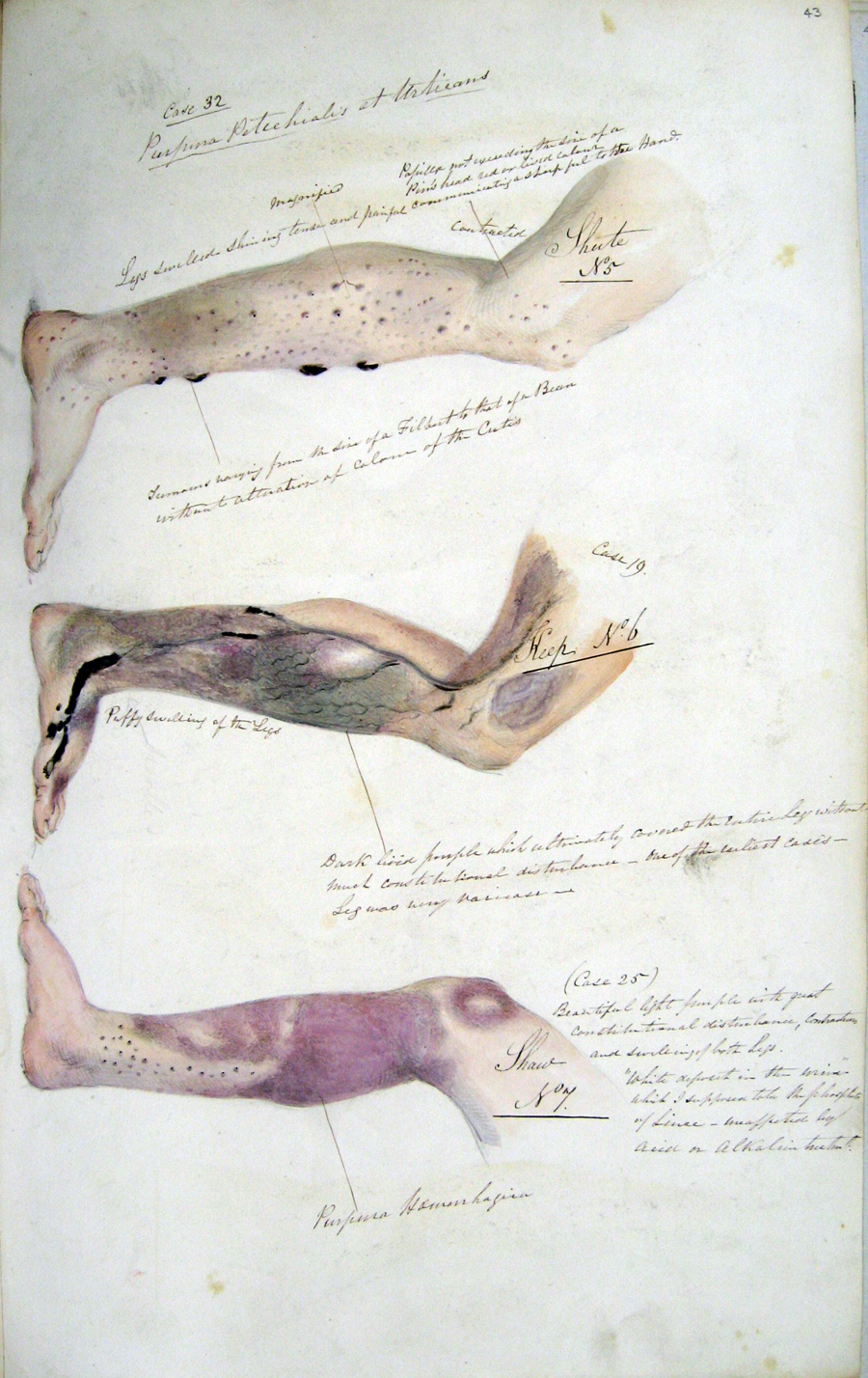
- Small red or purple spots on the skin (petechiae) and bruising; see skin signs.
- Swollen, bleeding gums and loosening of teeth; bleeding from mucous membranes is typical and may include the mouth or nose (gums and mucosa).
- Joint and muscle pain, aching and reduced mobility due to weakening connective tissue and small internal hemorrhages (joint symptoms).
- Poor wound healing, anemia, and sometimes mood changes such as low mood or apathy.
Diagnosis, treatment, and prevention
Diagnosis is clinical, supported when dietary history and physical findings point to deficiency; blood tests can measure vitamin C levels. Treatment is straightforward: replacement of vitamin C through dietary improvement and supplements leads to rapid clinical recovery in most cases. Fresh citrus fruits and other fruits and vegetables are efficient sources; for practical guidance see resources on fruit sources and general advice about fresh vegetables. In established disease, short courses of oral vitamin C and attention to nutrition usually resolve symptoms.
History and historical importance
Scurvy is historically famous for affecting sailors and explorers who spent long voyages without fresh produce. Before preservation and provisioning methods improved, long sea voyages commonly produced outbreaks of scurvy among crews; this association with seafaring communities is well documented and remains a notable episode in medical and naval history. For background on maritime outbreaks, see accounts related to sailors and voyages.
Modern occurrence and notable facts
In modern, well-nourished populations scurvy is uncommon, but it still appears in vulnerable groups: people with severe malnutrition, restrictive diets, alcohol dependence, psychiatric illness, or limited access to fresh foods. Public health measures, dietary education and food availability have made scurvy rare, yet clinicians remain alert for its signs because it is fully preventable and rapidly treatable. For further reading and clinical summaries consult general medical resources and nutrition guides (clinical summaries, nutritional references, disease overviews).
Questions and answers
Q: What is scurvy?
A: Scurvy is a disease caused by not eating enough vitamin C.
Q: What are the symptoms of scurvy?
A: The symptoms of scurvy include spots on the skin, teeth that loosen and/or fall out, bleeding from the mouth, nose, and gums, pale appearance, joint pain, and depression.
Q: How can scurvy be prevented?
A: Scurvy can be prevented by eating foods that are high in vitamin C, such as oranges and other fruits.
Q: How can someone cure scurvy?
A: Scurvy can be easily cured by eating foods that are high in vitamin C, such as oranges and other fruits.
Q: Why were sailors more commonly affected by scurvy in the past?
A: Sailors were more commonly affected by scurvy in the past because they were unable to access fresh fruit, which could not be kept for long.
Q: What is the main cause of scurvy?
A: The main cause of scurvy is a lack of fresh fruits and vegetables, which are high in vitamin C.
Q: Is scurvy common today?
A: No, scurvy is now uncommon due to a better understanding of nutrition and access to fresh fruits and vegetables.
Related articles
Author
AlegsaOnline.com Scurvy: vitamin C deficiency — causes, symptoms, treatment, and history Leandro Alegsa
URL: https://en.alegsaonline.com/art/88242
Sources
- umm.edu : "Vitamin C (Ascorbic acid)"