
Ig Nobel Prize — awards honoring research that make people laugh, then think
Annual, tongue-in-cheek prizes given since 1991 for unusual or trivial scientific research that amuses and prompts reflection. Organized by the Annals of Improbable Research with ceremonies at Harvard and lectures at MIT.
Overview
The Ig Nobel Prize is a tongue-in-cheek awards program that recognizes unusual, surprising, or seemingly trivial scientific results that have a humorous or odd character yet often contain real insight. Launched in 1991, the prizes are given annually in the autumn and proclaim the organizers’ motto: honor achievements that first make people laugh, and then make them think. The name is a play on the word ignoble and deliberately echoes the prestige of the Nobel Prize while signaling satire and social commentary.
Image gallery
4 Images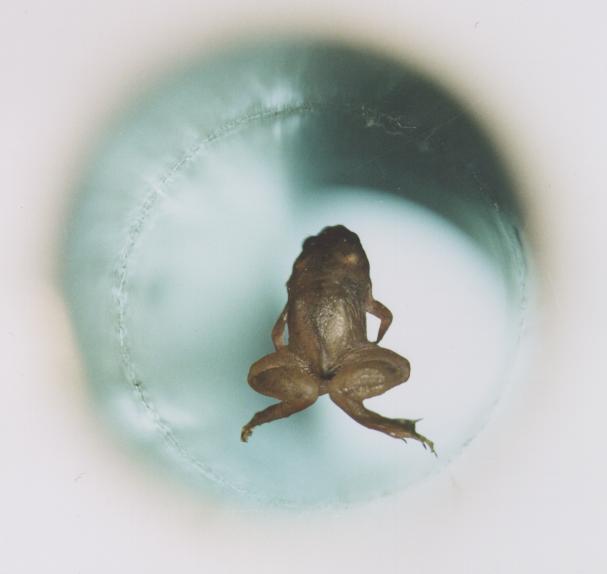


Purpose and characteristics
Unlike conventional scientific prizes that emphasize novelty, rigor, or large-scale impact, the Ig Nobels celebrate research that highlights curiosity, creativity, or eccentricity. Typical features include unusual subject matter (everyday phenomena, bodily functions, animal behavior), clever experimental methods, and results that reveal overlooked patterns or human foibles. The awards aim to stimulate public interest in science by combining humor with accessible explanations of research.
Organization and history
The awards are organized by the editors of the Annals of Improbable Research (AIR), a small scientific humor magazine and community that also runs lectures and events. Marc Abrahams is closely associated with the program as an editor and emcee. Since their inception in 1991 the Ig Nobels have become a recurring public spectacle: winners are announced and presented with their trophies at a ceremonial event at Sanders Theatre, Harvard University, and are invited to deliver public lectures at the Massachusetts Institute of Technology (MIT) and other venues.
Ceremony and traditions
The awards ceremony mixes formal trappings with comic elements. Nobel laureates and other dignitaries have sometimes taken part in presenting prizes, and winners deliver short, often humorous talks about their work. The event intentionally balances satire and respect: while lampooning pretension and the mundane, it also recognizes careful observation and genuine scientific curiosity. Associated activities include public lectures, discussions, and press coverage that extend the conversation about the research beyond the ceremony.
Examples, impact, and reception
Past recipients have included researchers whose work touched on strange-but-familiar topics: why certain animals behave oddly, how everyday objects interact with physics, or novel measurements of commonplace human behavior. Some awarded studies were relatively lighthearted explorations that nonetheless suggested broader principles or inspired follow-up work. Public response varies: many scientists and journalists praise the Ig Nobels for making science accessible and entertaining, while some critics worry that the prizes might trivialize serious research. Organizers emphasize that the core intent is constructive—encouraging curiosity and a wider appreciation for inquiry.
Selection and distinctions
The selection process is informal compared with major scientific prizes. Editors and an advisory board associated with AIR solicit nominations, review published work, and choose winners that fit the program’s spirit. Categories often mirror established fields—physics, chemistry, medicine, literature, peace—but the emphasis is on novelty and amusement rather than disciplinary prestige. The Ig Nobels should be understood as cultural commentary: they celebrate human creativity in research and promote public engagement rather than serving as formal scientific accreditation.
Related articles
Author
AlegsaOnline.com Ig Nobel Prize — awards honoring research that make people laugh, then think Leandro Alegsa
URL: https://en.alegsaonline.com/art/46585
Sources
- merriam-webster.com : "Meriam Webster Dictionary"
- slate.com : "The Greatest Hits of Weird Science; What the Oscars could learn from the Ig Nobel Prize ceremony"