
Lighting (Illumination): Concepts, Types, History, and Applications
Lighting, or illumination, is the controlled use of light—natural and artificial—for visibility, atmosphere, function, and energy management across architecture, media, and industry.
Overview
Lighting, often called illumination, is the purposeful use of light to make spaces usable, safe, and expressive. It encompasses both natural sources such as daylight and artificial sources such as lamps and integrated fixtures. Good lighting balances intensity, direction, color and timing to support human activity and visual comfort.
Image gallery
10 Images




Components and characteristics
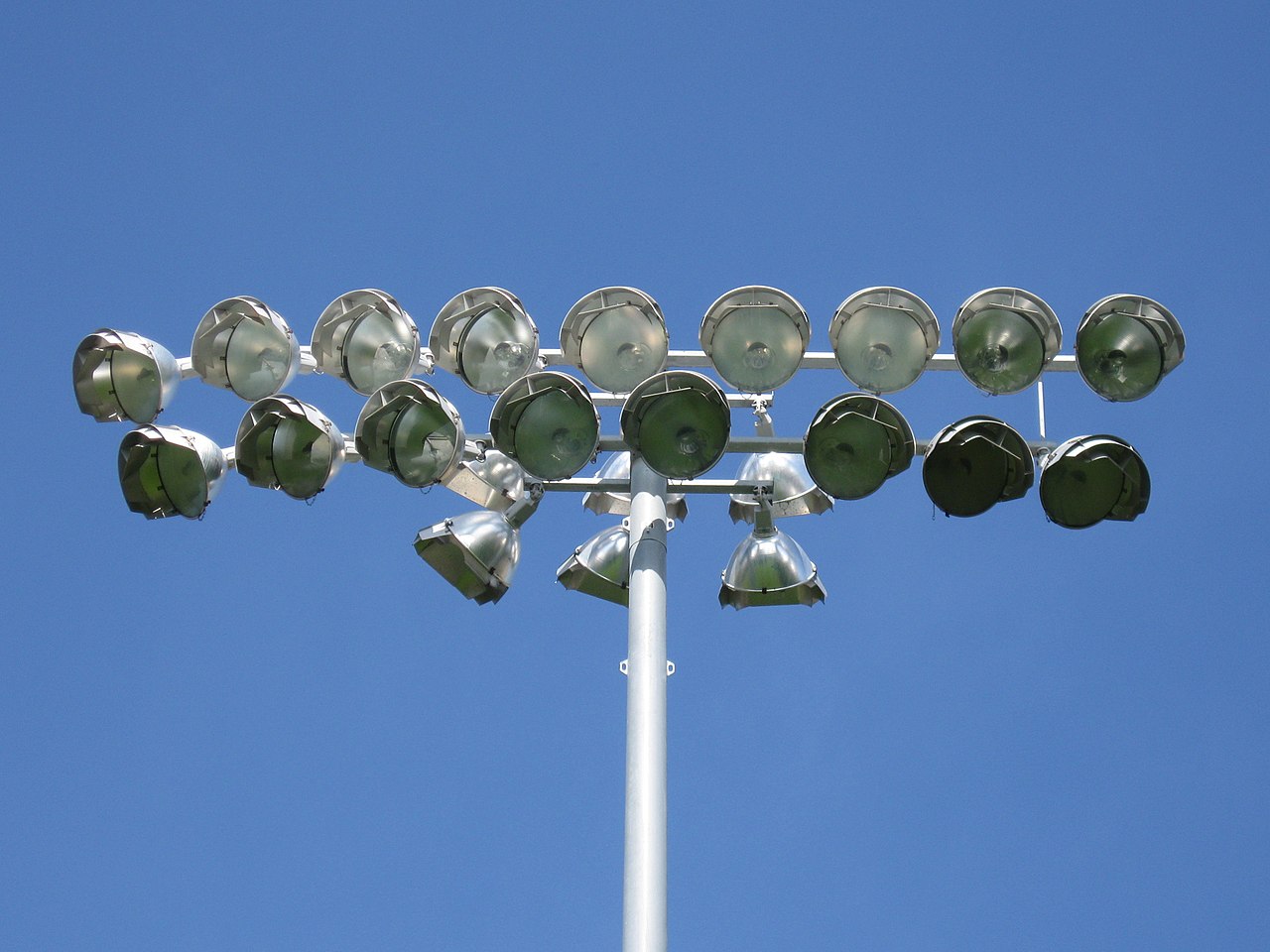
Basic elements of a lighting system include the source (bulbs, LEDs, sunlight), the luminaires or fittings that distribute and shape light, and the controls that dim or switch it. Key characteristics are luminous intensity, distribution (direct, indirect, diffused), color temperature and color rendering. Designers consider these to achieve tasks, highlight features, or create ambiance.
Daylighting strategies use windows, skylights, light shelves and reflective surfaces to admit and guide natural light into interiors. When combined with efficient artificial systems, daylighting can lower energy demand and improve occupant wellbeing. Typical artificial components include traditional lamps and fixtures, compact fluorescents and modern solid-state sources such as LEDs.
Types and design principles
- Ambient lighting provides overall illumination for circulation and general visibility.
- Task lighting delivers concentrated light for specific activities like reading or cooking.
- Accent lighting emphasizes objects, textures or architectural elements to add visual interest.
Good lighting design layers these types to meet functional requirements while controlling glare and energy use. Controls such as timers, sensors and dimmers further adapt light to changing conditions and reduce waste.
History and development
Human use of lighting evolved from open fires and torches to oil lamps, gas illumination and the electric bulb. Over the 20th and 21st centuries, technological advances moved lighting toward higher efficiency and longer life: from incandescent filaments to fluorescent tubes and now to solid-state lighting. These changes have reshaped architecture, urban nightscapes and manufacturing.
Applications and significance
Lighting plays a central role in building design, public safety, transportation and the visual arts. It is critical in photography and broadcast work where controlled illumination defines mood and visibility — for example in photography and in movie and television production. Beyond aesthetics, lighting affects human health: timing and spectral content influence circadian rhythms, and appropriate workplace illumination supports productivity and reduces errors.
Contemporary concerns include improving energy efficiency, reducing light pollution, and designing systems that serve both people and ecosystems. Because lighting intersects technology, architecture and human behavior, practitioners draw on engineering, art and environmental science to create effective, responsible solutions.
Related articles
Author
AlegsaOnline.com Lighting (Illumination): Concepts, Types, History, and Applications Leandro Alegsa
URL: https://en.alegsaonline.com/art/57953
Sources
- commons.wikimedia.org : Lighting