
Limbourg Brothers — Early 15th-Century Illuminators
Dutch manuscript painters Herman, Paul, and Johan Limbourg, active c. 1385–1416, famed for Les Très Riches Heures; innovators of International Gothic illumination in France and Burgundy.
Overview
The Limbourg brothers—Herman, Paul and Johan—were a trio of highly skilled manuscript illuminators who flourished in the early 15th century (c. 1385–1416). Born into a family associated with Nijmegen, they became court artists in France and Burgundy and are chiefly remembered for their exquisite devotional books.
Image gallery
5 Images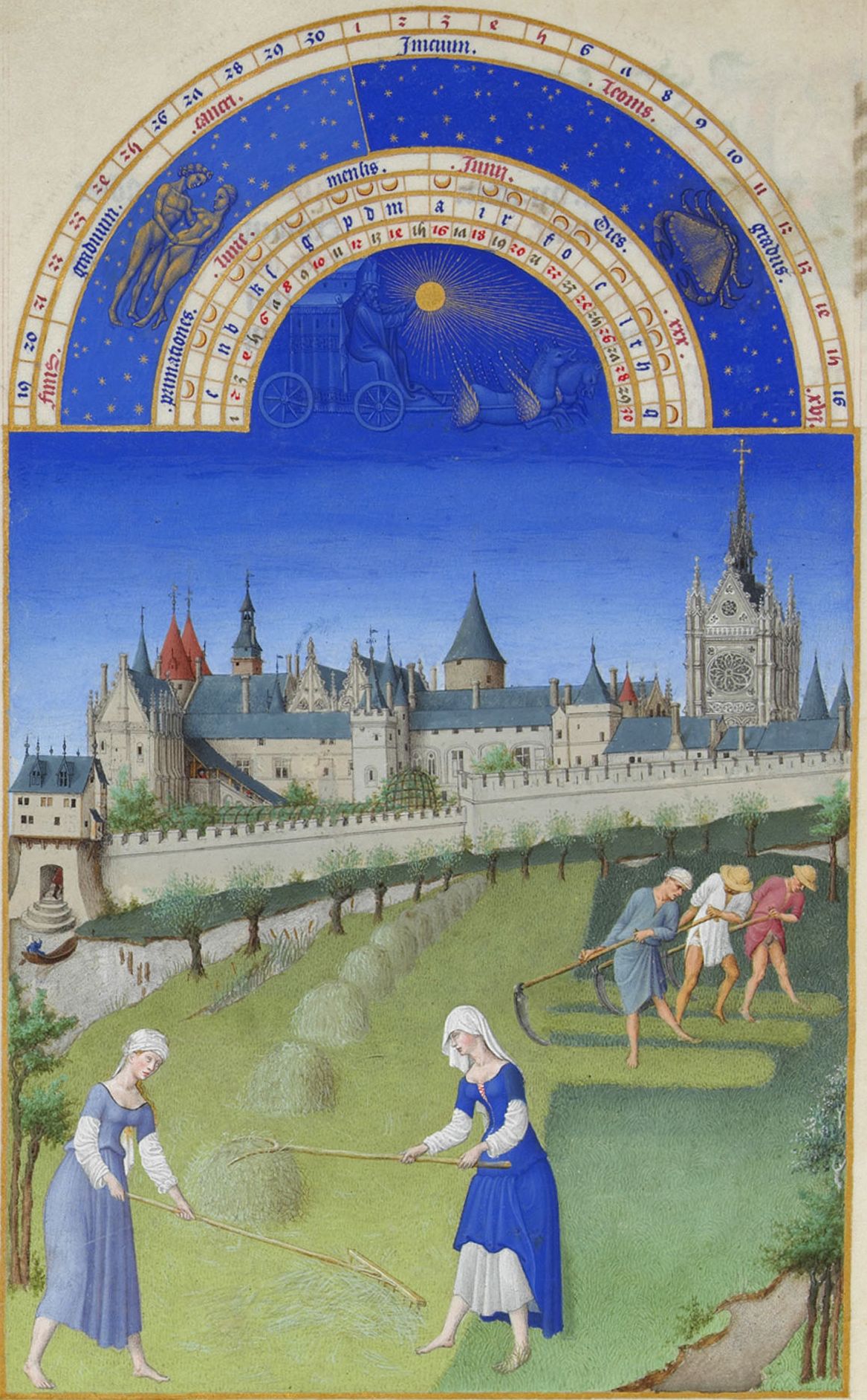


Origins and career
Although often called the Gebroeders van Limburg in Dutch, the brothers worked primarily for powerful patrons south of the Low Countries. Employed by John, Duke of Berry, they produced luxury books that combined northern detail with the courtly elegance of the International Gothic style. Their documented activity ends in 1416, when all three died.
Style, materials and technique
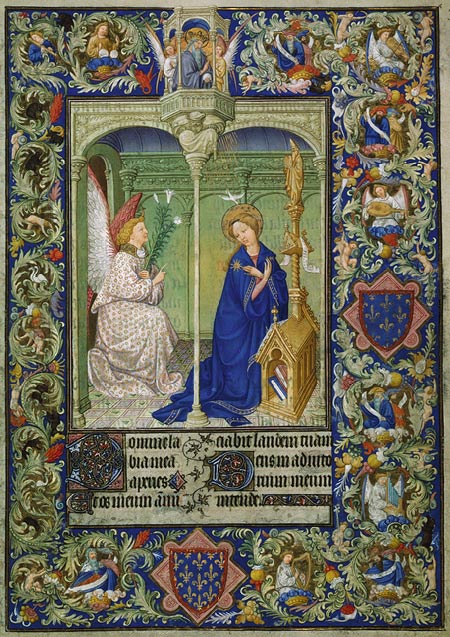
The Limbourgs are noted for tiny, precise brushwork, jewel-like pigments (including lapis-based ultramarine), burnished gold, and carefully observed landscapes and figures. Their miniatures show a refined sense of composition, delicate modeling, and a vivid color palette that enhanced devotional reading while advancing pictorial realism.
Major works and subjects
- Les Très Riches Heures du Duc de Berry — their best-known work, a richly illustrated book of hours with calendar scenes and liturgical miniatures that became an icon of late medieval art.
- Several other devotional manuscripts for the Duke of Berry and his circle, featuring prayers, miniatures and historiated initials.
Importance and legacy
The brothers helped set new standards in northern illumination by integrating careful observation of nature with courtly elegance. Their calendar pages, showing seasonal labor and landscape, influenced manuscript painting and later panel painting in the Burgundian Netherlands. When they died the main project remained unfinished and later hands completed parts of it.
Notable facts and further reading
The Limbourg name can cause confusion: it refers to the family, not necessarily to the geographic region of Limburg. For local context see Nijmegen. For the manuscript itself and detailed studies of the miniatures consult resources on Les Très Riches Heures. Their work is a key reference point for the study of International Gothic illumination.
Questions and answers
Q: Who were the Limbourg brothers?
A: The Limbourg brothers were famous Dutch Renaissance miniature painters from the city of Nijmegen.
Q: How many brothers were the Limbourg brothers?
A: The Limbourg brothers were three brothers: Herman, Paul, and Johan.
Q: During which period were the Limbourg brothers active?
A: The Limbourg brothers were active in the early 15th century.
Q: In which countries were the Limbourg brothers active during their career?
A: The Limbourg brothers were active in France and Burgundy.
Q: What is Les Très Riches Heures du Duc de Berry?
A: Les Très Riches Heures du Duc de Berry is the best-known late medieval illuminated manuscript.
Q: Who commissioned Les Très Riches Heures du Duc de Berry?
A: Les Très Riches Heures du Duc de Berry was commissioned by the Duke of Berry.
Q: What is the special significance of Les Très Riches Heures du Duc de Berry?
A: Les Très Riches Heures du Duc de Berry is the best known late medieval illuminated manuscript, and it was created by the Limbourg brothers.
Related articles
Author
AlegsaOnline.com Limbourg Brothers — Early 15th-Century Illuminators Leandro Alegsa
URL: https://en.alegsaonline.com/art/58063