
Lithography: planographic printing with stone or metal plates
Lithography is a planographic printing process, invented in 1796 by Alois Senefelder, that uses the repellence of oil and water on a flat surface to reproduce text and images for art and industry.
Overview
Lithography is a printing method that relies on a flat, smooth surface on which image areas accept ink and non-image areas repel ink. The word comes from ancient languages; see the Greek origins. As a printing technique, it may use a traditional stone block or a prepared metal plate and is applied to paper, board, or other substrates.
Image gallery
10 Images



Technique and characteristics
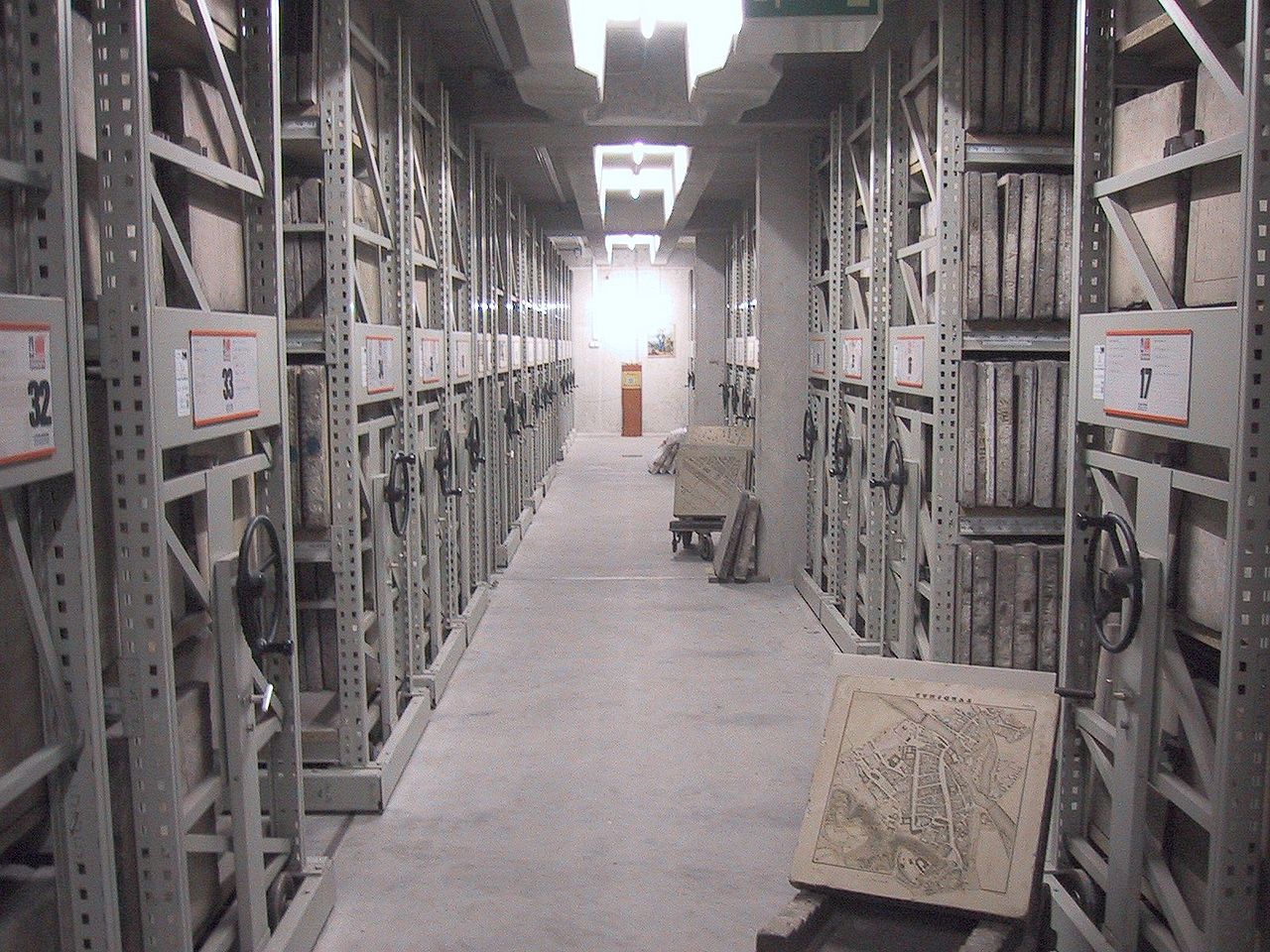
The fundamental principle is chemical rather than relief or intaglio: the image is drawn or transferred with a greasy medium, then the surface is treated so that oily ink adheres only to those drawn areas while dampened non-image areas hold water and reject ink. This planographic (flat-surface) approach allows fine tonal variation and economical reproduction of text and pictorial work. Historically a porous limestone known as lithographic limestone was used; later processes employ metal plates such as steel plates or aluminium plates.
Process steps
- Prepare a smooth plate or stone and grease the intended image with pencil, crayon, or tusche.
- Chemically treat the surface so non-image areas hold moisture.
- Apply oil-based ink; the ink sticks to the greasy image and is repelled by water-covered areas.
- Transfer the inked image to paper using a press.
History and development
Lithography was invented in 1796 by Alois Senefelder as an inexpensive way to reproduce plays and writings. It spread quickly in the 19th century for books, posters and fine art. Advances such as chromolithography enabled multi-colour prints, and the development of offset lithography in industry adapted the same chemistry to modern rotary presses for newspapers, packaging, and commercial printing.
Uses, distinctions and notable facts
Artists prize traditional stone lithography for its rich, painterly marks and subtle gradations; many 19th- and 20th-century artists produced original lithographs. Commercial lithography, especially offset, dominates high-volume printing because plates can be prepared rapidly and run at high speed. The term "lithography" also appears in unrelated contexts (for example, the photolithography used in semiconductor fabrication), so it is useful to distinguish between planographic printing and other "litho-" technologies. For further reading see resources on the technique and its conservation in printing and art practice.
Questions and answers
Q: What is lithography?
A: Lithography is a printing method that uses a stone or metal plate with a smooth surface to print text or artwork onto paper or other materials.
Q: Who invented lithography?
A: Lithography was invented by Alois Senefelder, a Bavarian author, in 1796.
Q: Why was lithography invented?
A: Lithography was invented as a low-cost method of publishing theatrical works.
Q: What materials can be used in lithography?
A: Lithography can be done using a stone (lithographic limestone) or a metal (steel or aluminium) plate.
Q: Can lithography be used to print text and artwork?
A: Yes, lithography can be used to print both text and artwork.
Q: What does the word "lithos" mean?
A: "Lithos" is a Greek word meaning "stone".
Q: What does the word "graphο" mean?
A: "Graphο" is a Greek word meaning "to write".
Related articles
Author
AlegsaOnline.com Lithography: planographic printing with stone or metal plates Leandro Alegsa
URL: https://en.alegsaonline.com/art/58446
Sources
- rmc.library.cornell.edu : rmc.library.cornell.edu