
Lepidosauria: the scaled reptiles (tuataras, lizards, snakes, amphisbaenians)
Lepidosauria is a major reptile clade characterized by overlapping scales; it includes tuataras, lizards, snakes and amphisbaenians and comprises the orders Squamata and Sphenodontia.
Lepidosauria is a principal group of modern reptiles distinguished by their distinctive overlapping scales and specific skeletal features. Members of this clade are commonly known as scaled reptiles and include familiar animals such as tuataras, lizards, snakes and the burrowing amphisbaenians. Broadly speaking, lepidosaurs are part of the larger reptile assemblage often referred to as reptiles.
Image gallery
10 Images






Characteristics
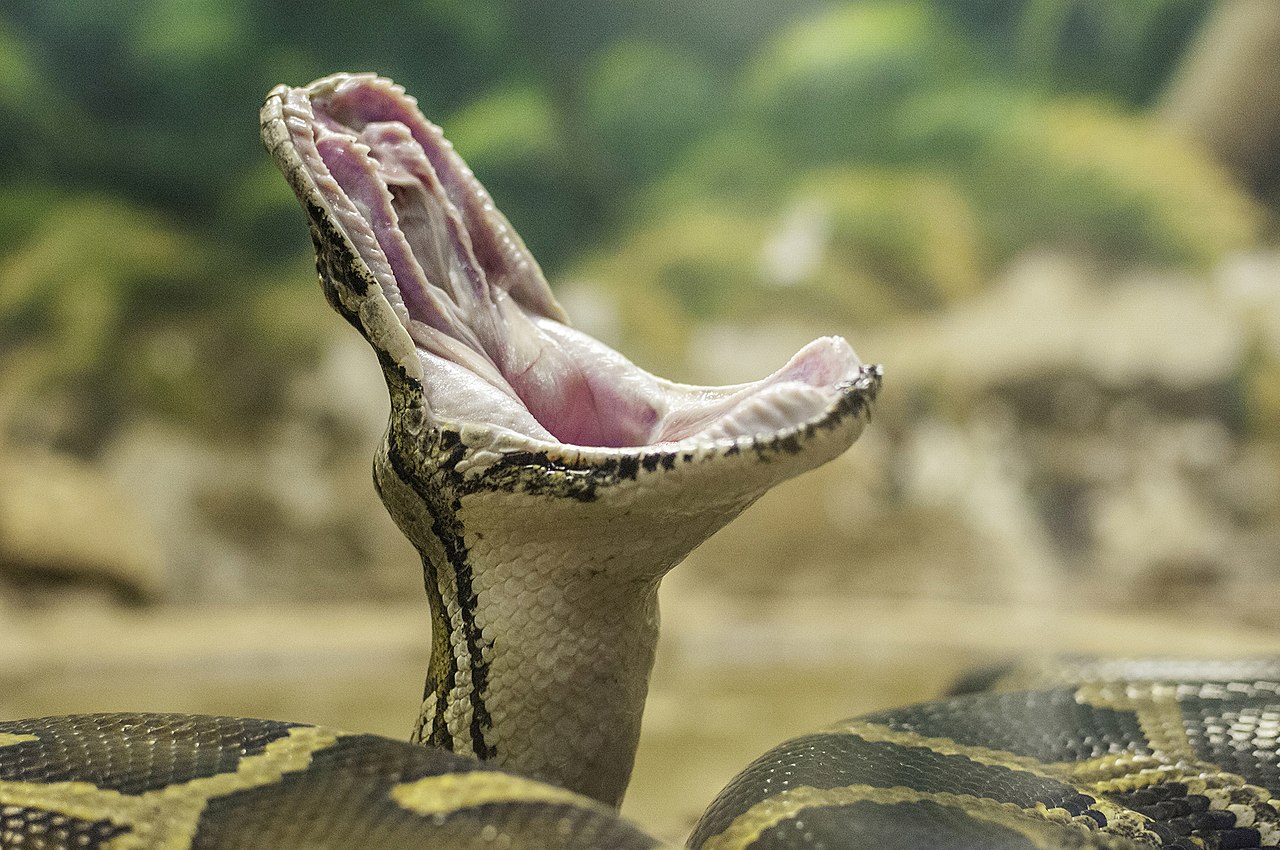
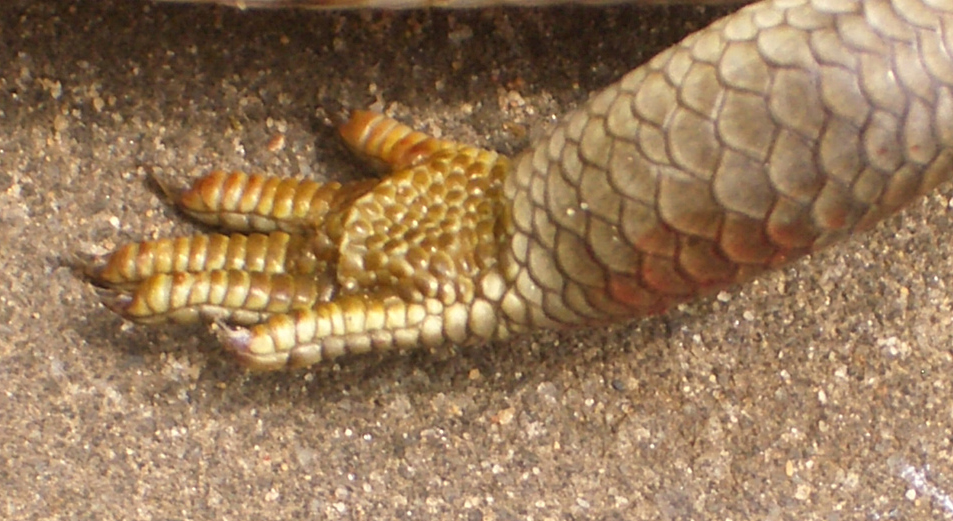
Typical lepidosaur features include keratinized, overlapping scales that provide protection and reduce water loss (overlapping scales). Many have elongate bodies, a kinetic skull allowing wide gape in snakes and some lizards, and males of many species possess paired hemipenes. Skin shedding (ecdysis) is common and varies in pattern: snakes often shed in one piece, while lizards shed in patches.
Classification
The superorder Lepidosauria divides into two principal orders. The living order Squamata is the largest, containing lizards, snakes and amphisbaenians with great diversity of form and lifestyle. The smaller order Sphenodontia (Rhynchocephalia) is represented today only by the tuatara of New Zealand, a lineage that preserves many ancestral features.
Fossil evidence places lepidosaur origins deep in the Mesozoic. They likely diversified during the Triassic and Jurassic periods, evolving varied adaptations for arboreal, terrestrial and fossorial (burrowing) niches. The tuatara is often cited as a living example of a more primitive lepidosaur anatomy.
Ecologically, lepidosaurs occupy roles as predators, insectivores and herbivores, and they can influence insect and small-vertebrate populations. Some species are important in ecological research, pest control and as indicators of environmental change. Several species are also kept in captivity and studied for their physiology and behavior.
Notable facts include the extreme diversity within Squamata, the unique conservation status of the tuatara, and the convergent evolution of legless forms in multiple lepidosaur lineages. Conservation concerns affect many species because of habitat loss, invasive predators and climate change, making understanding lepidosaur biology important for biodiversity efforts.
Related articles
Author
AlegsaOnline.com Lepidosauria: the scaled reptiles (tuataras, lizards, snakes, amphisbaenians) Leandro Alegsa
URL: https://en.alegsaonline.com/art/57266