
Leptictidium: an Eocene small eutherian mammal genus
Leptictidium was a small, long‑limbed eutherian mammal of the Eocene, known from well‑preserved fossils in Europe. Notable for its long hind legs, long tail and mobile snout, it informs study of early placental locomotion.
Overview
Leptictidium is an extinct genus of small eutherian (placental) mammals best known from Eocene-age deposits. Although early popular accounts sometimes implied they lived with non‑avian dinosaurs, Leptictidium lived long after those animals were extinct and is an example of mammalian diversification in the Paleogene. The genus name is often translated as "delicate weasel" and reflects the animal's lightly built skeleton; see the origin of the name at name and etymology.
Image gallery
10 Images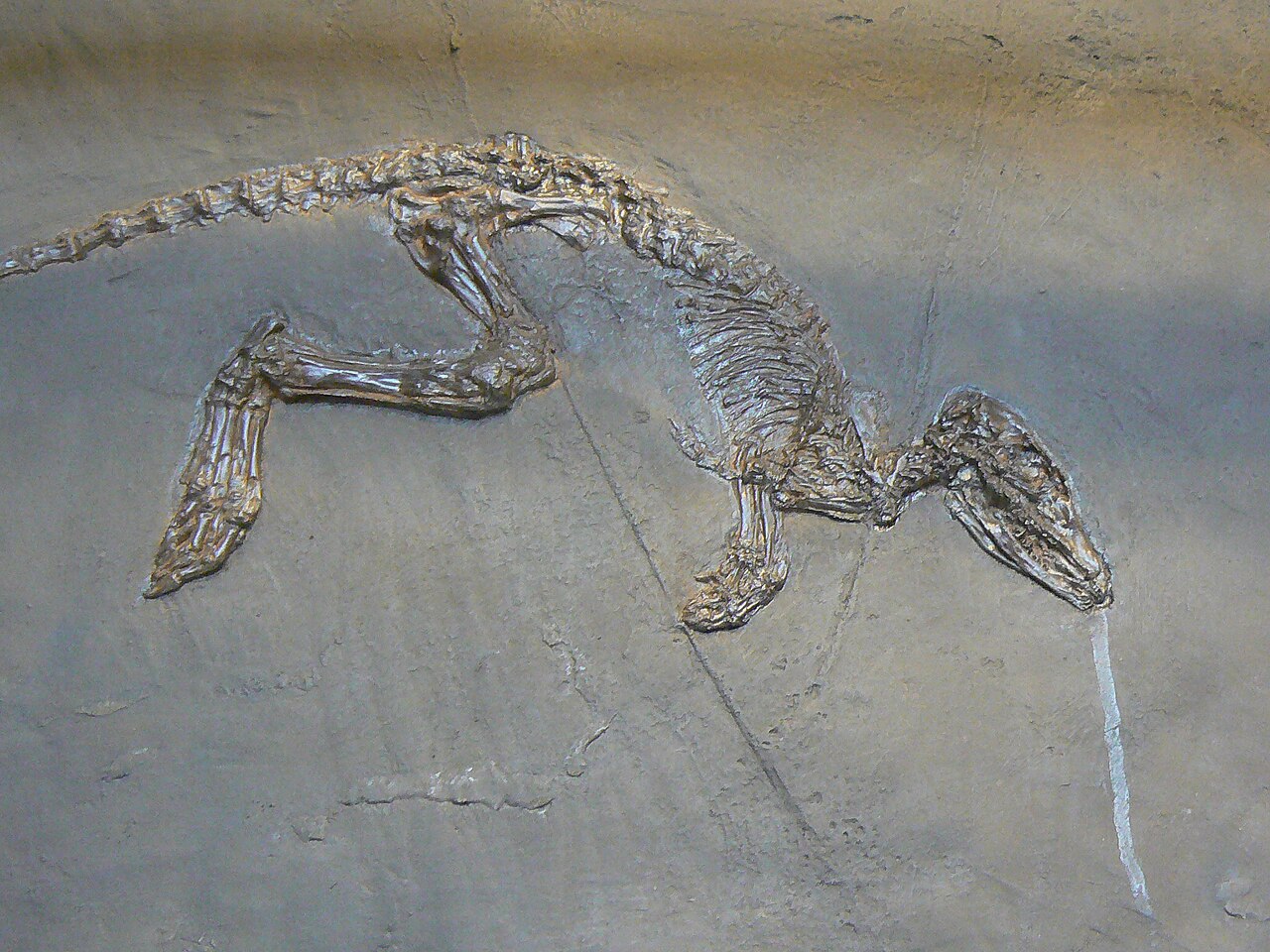




Appearance and notable features
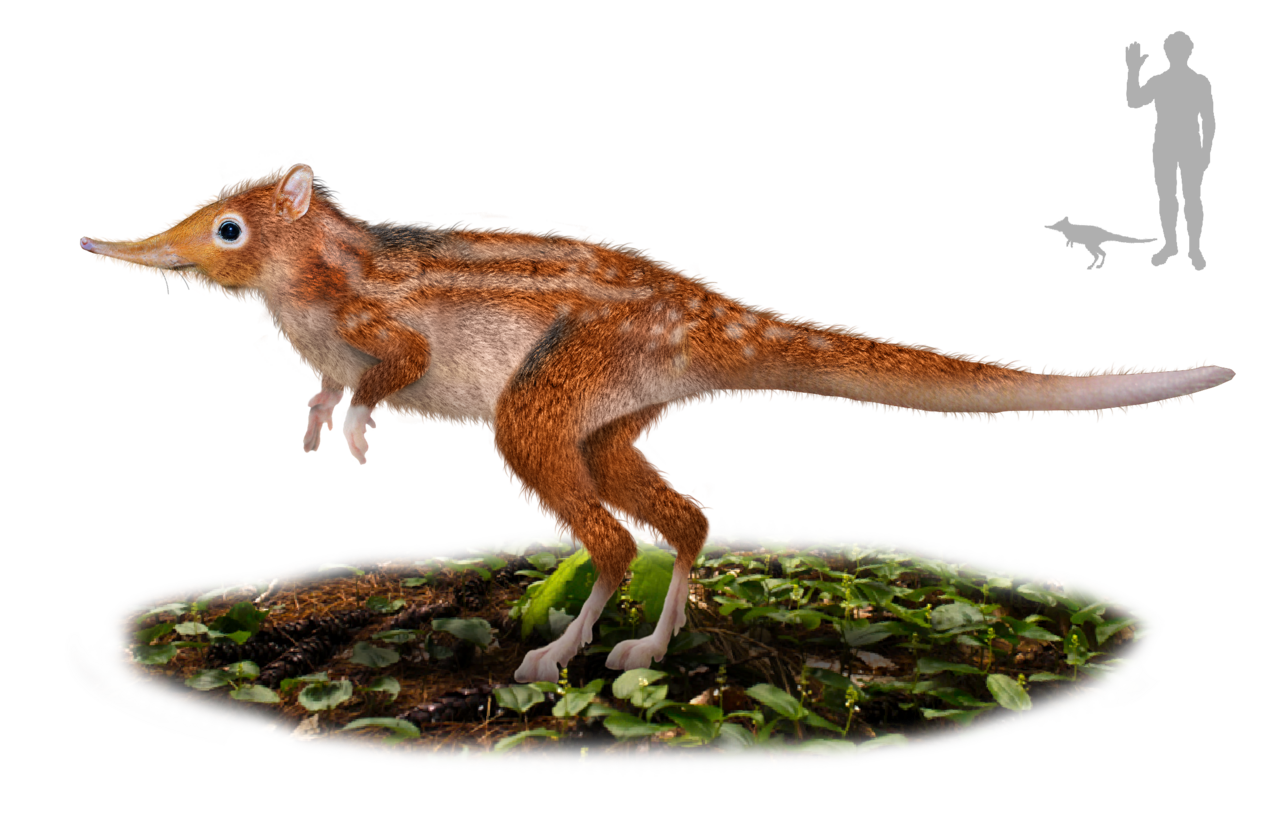
Fossils of Leptictidium show a small to medium-sized predator or insectivore with a combination of distinctive traits. It had elongate hind limbs and a long, stiff tail that likely functioned as a counterbalance. The skull bore an elongated, flexible rostrum or snout, which would have aided in probing for invertebrate prey. Overall anatomy indicates a lightly built, agile animal rather than a heavy-bodied runner.
- Limbs: proportionally long hind legs and shorter forelimbs suggest bipedal strides or hopping behavior.
- Tail: long and tapering, used for balance during rapid locomotion.
- Skull and dentition: mobile snout and teeth adapted for an insectivorous or small‑vertebrate diet.
Locomotion: hopping, running, or both?
Debate continues about how Leptictidium moved when traveling quickly. Some researchers interpret the hind-leg proportions and pelvic structure as adaptations for saltatory (hopping) locomotion similar to modern rabbits or small kangaroo-like movement. Others argue its limb and vertebral anatomy permit an upright, bipedal running gait. Fossils preserve enough detail to show specialized hind limbs and a balancing tail, but biomechanical reconstructions leave room for both possibilities; functional interpretations remain cautious and evidence-based.
Fossil record and discoveries
Leptictidium fossils are best known from richly preserved Eocene sites, especially the Messel shale of Germany, which has yielded multiple articulated skeletons that reveal fine anatomical detail; see collections and site reports at Messel deposits. More fragmentary leptictid remains are known across Eurasia, indicating the family had a wider geographic range. These fossils have been important for understanding early placental (eutherian) diversity and are discussed in broader taxonomic contexts at classification resources and general mammal summaries at mammal references.
Environment, diet and extinction
Leptictidium lived during the Eocene epoch, a period of warm climates and extensive forests in many regions; for context see Eocene climate. It likely occupied open understory or edge habitats, feeding on insects and small vertebrates found by probing with its snout. Like many specialized Eocene mammals, leptictids declined as climates and habitats shifted in later Paleogene intervals. Popular misconceptions that they coexisted with dinosaurs are incorrect; for a note on that contrast see dinosaurs versus Paleogene mammals.
Because Leptictidium combines unusual locomotor adaptations with a well-preserved fossil record, it remains a focal taxon for studies of early placental evolution, functional morphology, and the ecological dynamics of Eocene mammal communities.
Related articles
Author
AlegsaOnline.com Leptictidium: an Eocene small eutherian mammal genus Leandro Alegsa
URL: https://en.alegsaonline.com/art/57277