
Lepidosauromorphs: evolution, characteristics, and major groups
Lepidosauromorphs are a lineage of diapsid reptiles closer to lizards than to archosaurs. This article explains their defining traits, living representatives, fossil relatives, and evolutionary significance.
Overview
Lepidosauromorphs form a major branch of diapsid reptiles distinguished by their closer evolutionary relationship to lizards than to archosaurs. In modern faunas the group is represented only by the Lepidosauria, which includes lizards, snakes and the tuatara. Paleontology, comparative anatomy and molecular studies place lepidosauromorphs as a counterpoint to the archosaur line (crocodilians, dinosaurs and birds) within the wider diapsid radiation. For a general introduction see reptile relationships and the broader context of diapsid reptiles.
Image gallery
10 Images




Anatomy and distinguishing features
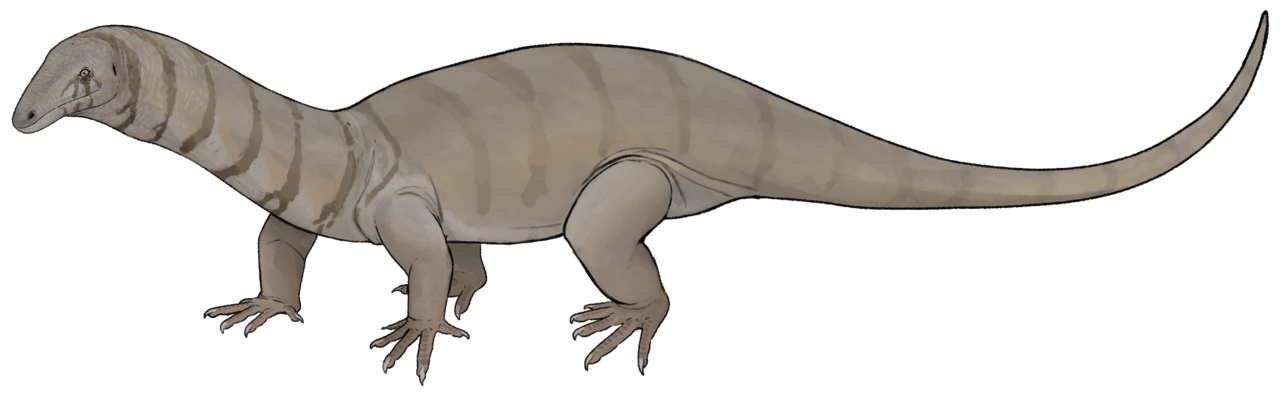
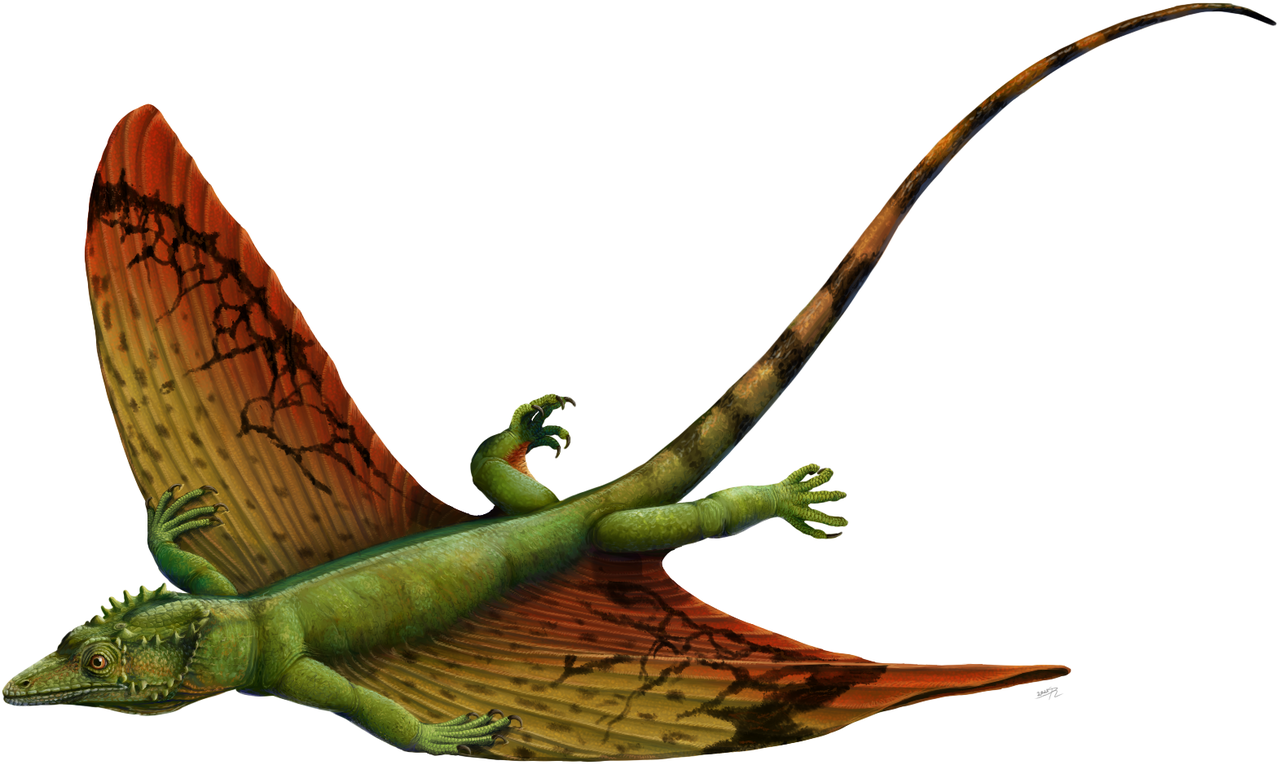
Members of this lineage share a suite of skeletal and soft-tissue traits that paleontologists use to identify them. Living lepidosauromorphs (lepidosaurs) have horny epidermal scales and shed their outer skin periodically (ecdysis). Skull, jaw and limb proportions differ from archosaurs, and many fossil taxa show combinations of primitive and derived characters that reveal early experimentation in body plan. For examples of living representatives see lizards, snakes and the isolated order containing the tuatara.
Evolutionary history
The origin of lepidosauromorphs traces back to the Paleozoic–early Mesozoic interval, with major diversification through the Triassic and Jurassic. Fossil discoveries reveal both small terrestrial forms and a surprising array of aquatic and semi-aquatic lineages in the Mesozoic. Many extinct groups are known only from bones and teeth, and their placement within the lepidosauromorph tree is continually refined as new material and analyses appear. See discussions of important fossil lineages such as Sauropterygia and other marine reptiles.
Major groups and notable fossils
Today the living portion of the clade is the Lepidosauria (Lepidosauria), divided chiefly into squamates (lizards and snakes) and the rhynchocephalians (tuatara-like forms). Fossil diversity, however, includes several now-extinct assemblages. Important examples are:
- Sauropterygia — an extinct group of marine reptiles best known for the long-necked plesiosaurs and related forms (plesiosaurs are a familiar example).
- Extinct aquatic squamates and other Mesozoic predators that illustrate repeated transitions to life in the sea and large-bodied predation.
Ecological role and significance
Lepidosauromorphs have been ecologically versatile: terrestrial insectivores and herbivores, burrowers, arboreal climbers, and marine predators. Today squamates constitute the majority of living reptile species, making lepidosaurs the most species-rich reptile assemblage. Fossil lepidosauromorphs document major evolutionary experiments in locomotion and feeding that shaped Mesozoic ecosystems.
Distinctions and points of interest
The contrast between lepidosauromorphs and archosaurs is a central theme in reptile evolution: each clade pursued different anatomical solutions to locomotion, respiration and feeding. The tuatara, a lone survivor of an otherwise diverse rhynchocephalian lineage, attracts attention as a living window into ancient lepidosauromorph anatomy. For comparative resources and further reading on these relationships see archosaurs, additional references at overview and specialist treatments linked via diapsid and squamate resources.
Questions and answers
Q: What is a Lepidosauromorph?
A: A Lepidosauromorph is a large group of reptiles that includes all diapsids closer to lizards than to archosaurs.
Q: What does the Lepidosauromorph group include?
A: The Lepidosauromorph group includes all diapsids closer to lizards than to archosaurs. The only living sub-group is the Lepidosauria: lizards, snakes, and the tuatara.
Q: What is the most important fossil group of the Lepidosauromorphs?
A: The most important fossil group of the Lepidosauromorphs is the Sauropterygia, which includes the plesiosaurs.
Q: What reptiles belong to the sub-group Lepidosauria?
A: The sub-group Lepidosauria includes lizards, snakes, and the tuatara.
Q: Are all diapsids part of the Lepidosauromorph group?
A: No, only those diapsids that are closer to lizards than to archosaurs are part of the Lepidosauromorph group.
Q: Which group of reptiles includes plesiosaurs?
A: The Sauropterygia group of reptiles includes plesiosaurs.
Q: Are there any living reptiles in the Sauropterygia group?
A: No, all the reptiles in the Sauropterygia group are extinct.
Related articles
Author
AlegsaOnline.com Lepidosauromorphs: evolution, characteristics, and major groups Leandro Alegsa
URL: https://en.alegsaonline.com/art/57267