
Leopardus — genus of small Neotropical spotted cats
Leopardus is a genus of small wild cats native to Central and South America, including ocelot, margay and others. They are notable for spotted coats, arboreal habits in some species, and varied conservation status.
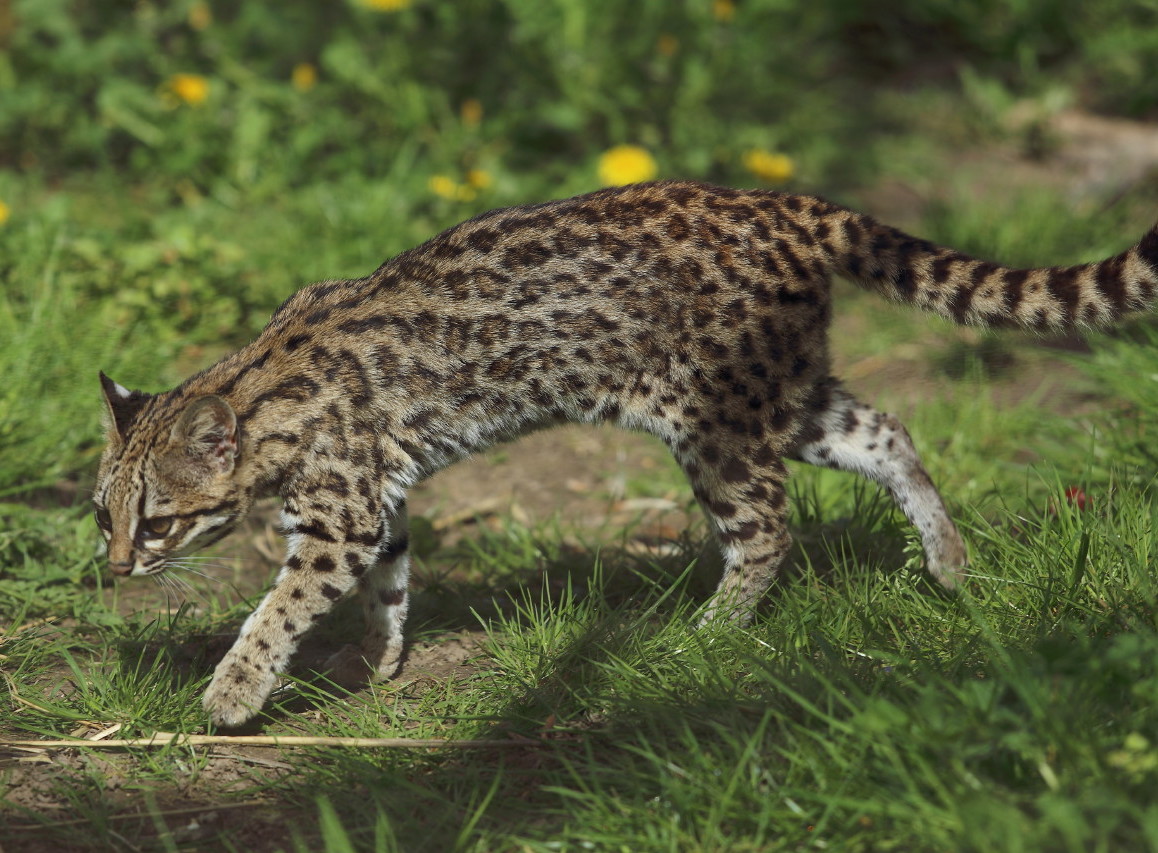
Leopardus is a group of small to medium-sized wild cats native primarily to Central and South America. Members of this genus are generally recognized for their patterned coats — spots, rosettes or short stripes — compact bodies and carnivorous diet. They occupy a variety of habitats from tropical forest to grassland and montane scrub, and several species are adapted to life in trees.
Image gallery
10 Images




Physical characteristics and behavior
Most Leopardus species are agile hunters, feeding on small mammals, birds, reptiles and insects. Coat patterns provide camouflage in dappled light. Some species, notably the margay, are highly arboreal with flexible ankles for climbing; others, such as Geoffroy's cat, are more terrestrial. Activity tends toward nocturnal or crepuscular, and reproductive and social behaviors vary by species.
Species examples and distribution
Several well-known species belong to this genus and illustrate its diversity:
- Ocelot (Leopardus pardalis) — a larger, spotted species that ranges from South America into parts of Central America and historically into the southern United States; see southern United States for range notes.
- Margay (Leopardus wiedii) — a small, highly arboreal cat adapted to forest canopies.
- Andean mountain cat (Leopardus jacobita) — a rare, high‑altitude specialist of the Andes.
- Kodkod or guiña (Leopardus guigna) and Pampas cat (Leopardus colocolo) — smaller, often more secretive species with localized distributions.
Origins and taxonomy
Genetic and fossil evidence indicate that small felids of the subfamily Felinae colonized the Americas from the Old World. Leopardus may represent one of the earliest radiations of felines in the New World, with other genera such as Lynx and Puma arriving or diversifying later. Taxonomy has been revised repeatedly as molecular studies clarify relationships among populations and species.
Conservation and significance
Many Leopardus species face threats from habitat loss, fragmentation, persecution and the illegal wildlife trade. Conservation status ranges from relatively secure to critically endangered depending on species and region. Research, habitat protection and monitoring are important for their persistence. For general regional information see Middle and South America resources.
These cats play important ecological roles as mesopredators, helping regulate prey populations and contributing to ecosystem balance. Continued study of their ecology, distribution and genetics informs both science and conservation policy.
Related articles
Author
AlegsaOnline.com Leopardus — genus of small Neotropical spotted cats Leandro Alegsa
URL: https://en.alegsaonline.com/art/57249