
Lynx: the tufted-eared wildcats of the genus Lynx
Small to medium wildcats in the genus Lynx, comprising four species across Eurasia and North America. Noted for tufted ears, short tails, large paws, and varied ecology and conservation status.
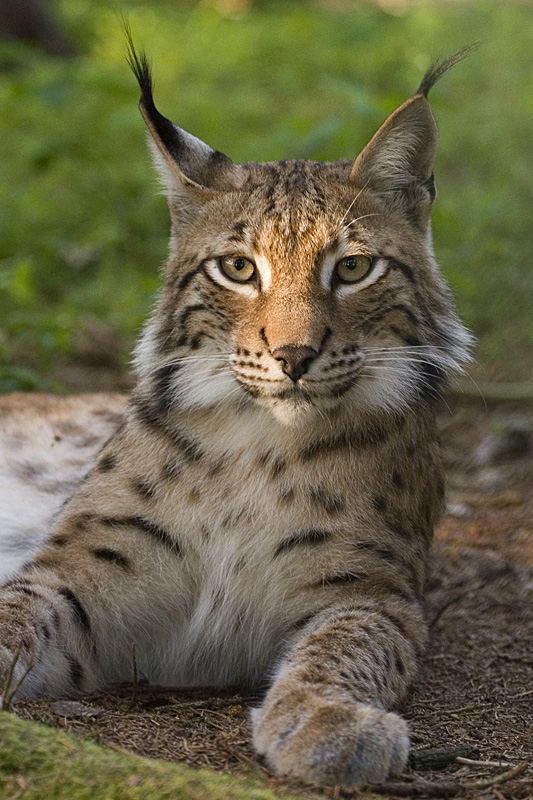
The lynx is a small to medium-sized wildcat belonging to the genus Lynx. Members of this group are immediately recognizable by their tufts of hair on the tips of the ears, a short bobbed tail, and broad, furred paws that help them move on snow. Four closely related species make up the genus; together they occupy a range of forested and shrubby habitats across the northern continents.
Image gallery
10 Images





Characteristics
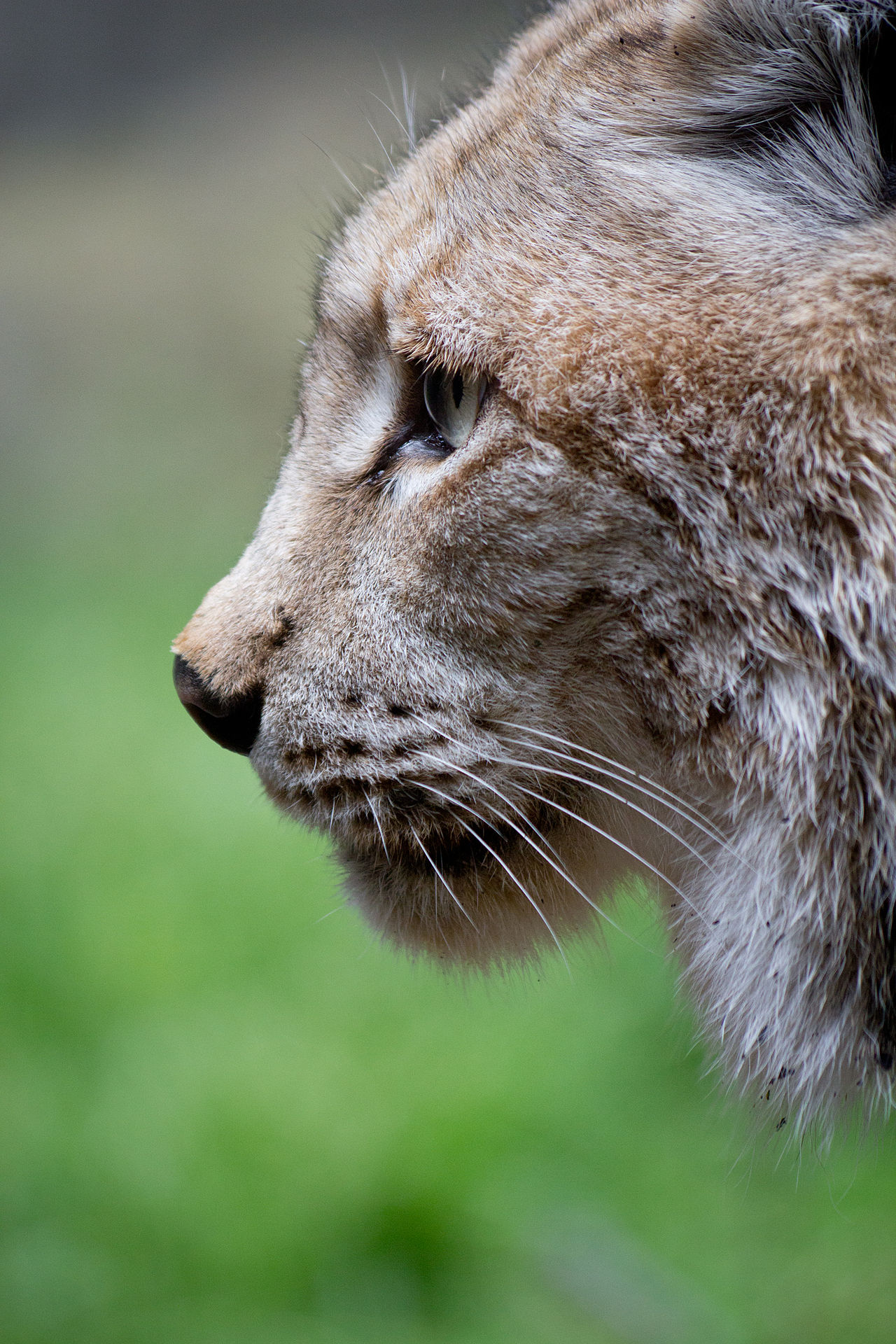
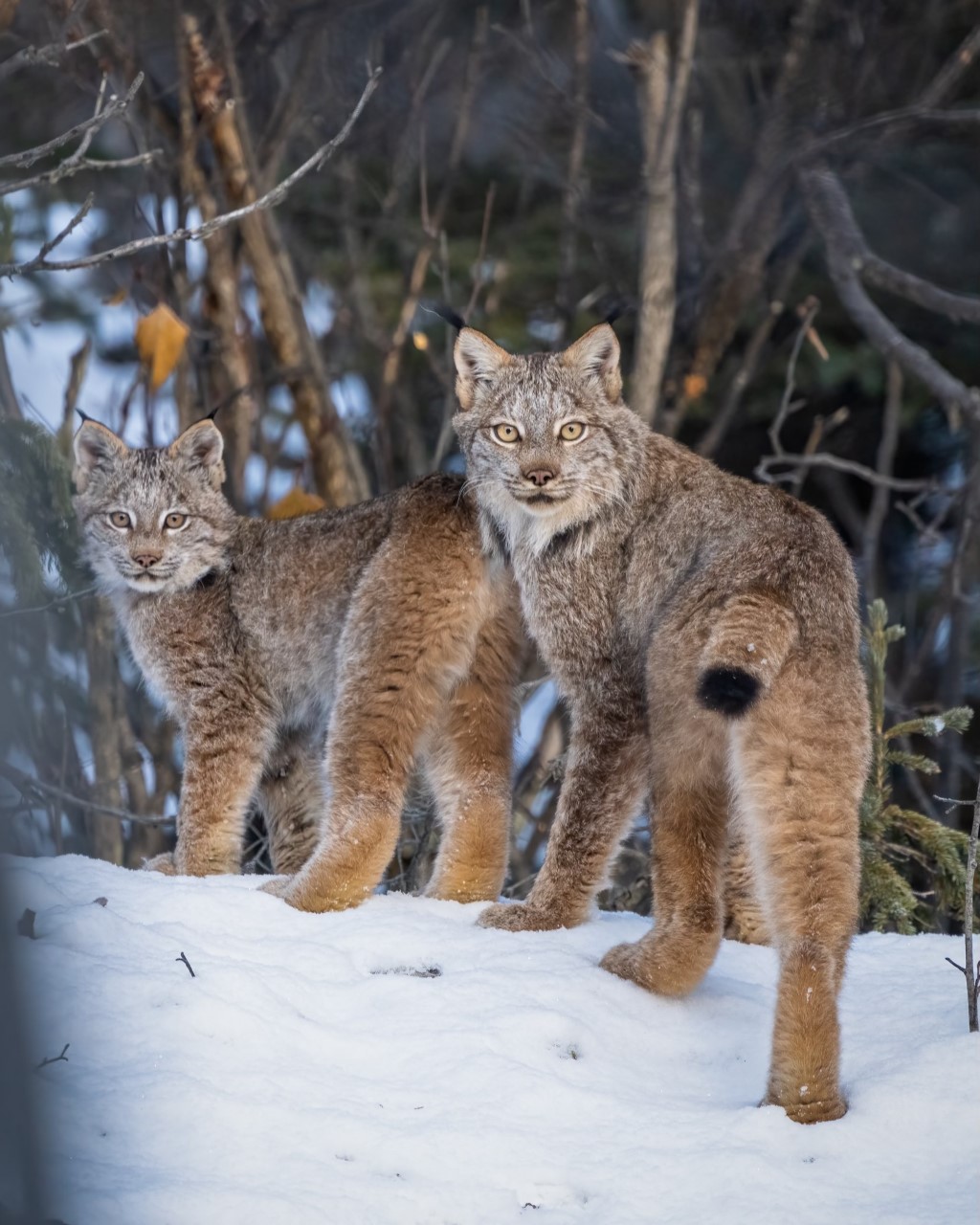
Physical traits shared by lynxes include a robust, compact body, long legs, and dense fur that varies with latitude and season. Their ear tufts likely improve hearing or serve in visual signalling, while the large paws act like natural snowshoes in deep winter. Size and coat pattern differ between species: some are heavily spotted, others more uniformly colored. Their eyes have a keen forward-facing orientation typical of predators.
Species and distribution
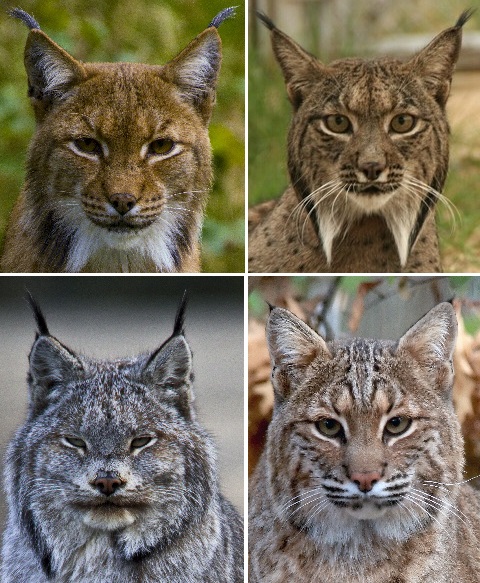
There are four species commonly recognized within the genus. These are often listed and distinguished by range and ecology:
- Eurasian lynx (Lynx lynx) — a large forest cat found across much of Eurasia and occupying a variety of wooded landscapes.
- Iberian lynx (Lynx pardinus) — native to the Iberian Peninsula, this species is highly specialized and was once critically endangered but has been the subject of active recovery programs.
- Canada lynx (Lynx canadensis) — adapted to boreal forests and deep snow; its population dynamics are closely tied to cycles of the snowshoe hare and parts of Canada and northern North America.
- Bobcat (Lynx rufus) — the smallest and most adaptable of the four, widespread across much of North America and often found nearer to open and mixed habitats than the other lynxes.
Ecology and behaviour
Lynxes are primarily solitary, crepuscular or nocturnal hunters. Their diet consists mainly of small to medium-sized mammals and birds; species such as the Canada lynx are specialists on particular prey, while others, like the bobcat, exploit a broader range. Breeding seasons, litter sizes and home-range sizes vary with species, habitat and prey availability. Communication includes scent marking, vocalizations and visual signals aided by their ear tufts and facial ruffs.
Conservation and human interactions
The conservation status of lynx species differs markedly. Some populations are stable or increasing where habitat and prey are abundant, while others—most notably the Iberian lynx in recent decades—faced severe declines before conservation interventions such as captive breeding and habitat management began to bring recoveries. Conflicts with people are relatively limited but can involve predation on domestic animals or competition with game species. Conservation efforts combine habitat protection, connectivity, and careful monitoring.
Understanding the differences among lynx species is important for effective management and public awareness. For further reading and species accounts see specialized resources and regional conservation programs: genus overview, species list, Eurasian range notes, Iberian recovery projects, Canada lynx ecology.
Related articles
Author
AlegsaOnline.com Lynx: the tufted-eared wildcats of the genus Lynx Leandro Alegsa
URL: https://en.alegsaonline.com/art/60134