
Lenape (Delaware): people, language, territory and history
Overview of the Lenape (Delaware): their language, social organization, traditional territory (Lenapehoking), European contact and displacement, and contemporary communities and revitalization.
The Lenape — also rendered Lenappe, Lenapi or Lenni Lenape and often called the Delaware by Europeans — are an Indigenous people of the Northeastern Woodlands. The name Lenape is commonly translated as "the people" or "true people." Historically they formed a network of related bands who shared cultural and linguistic ties and who spoke varieties now classified as the Delaware languages, most commonly Munsee and Unami.
Territory (Lenapehoking) and environment. The ancestral homeland of the Lenape, frequently referred to in English as Lenapehoking, covered the lower watershed areas of the region between the Atlantic coast and the interior river valleys. This region included shoreline and riverine environments centered on the Delaware River and the Hudson River, and lands that are today parts of New Jersey, eastern Pennsylvania, the north shore of the present state of Delaware and portions of southeastern New York, including the Lower Hudson Valley. The landscape of coastal estuaries, forests and fertile river valleys supported seasonal patterns of agriculture, hunting, fishing and gathering.
Language and social organization. The Lenape speaking area included two primary dialect groups, often called Munsee and Unami; both are part of the larger Algonquian language family and are sometimes collectively referred to as Delaware languages. Social organization emphasized kinship and clan identity, and many Lenape groups traced descent matrilineally through named clans such as Turtle, Wolf and Turkey. Political life involved local leaders (often called sachems) and councils that coordinated decisions about land use, alliances and dispute resolution among neighboring groups.
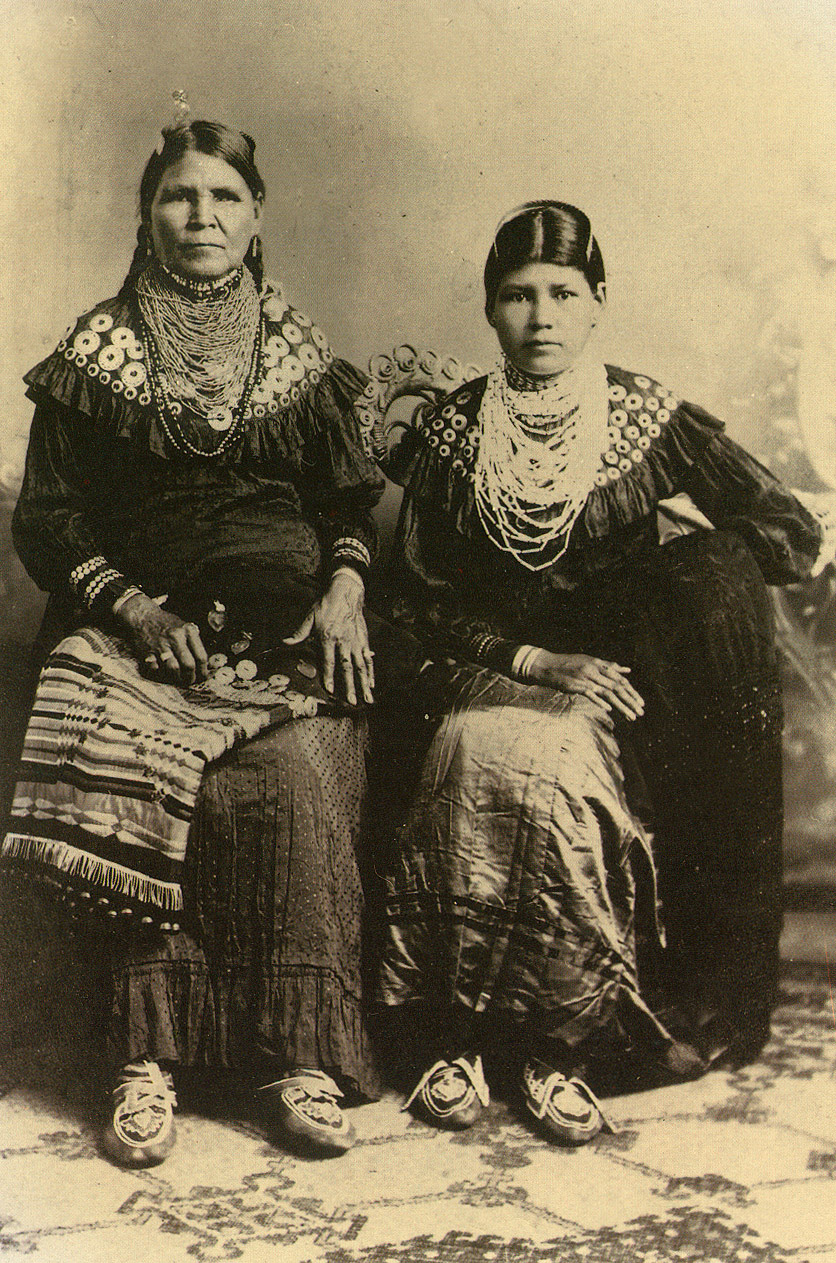
Subsistence, material culture and spirituality. Traditionally Lenape communities practiced a mixed economy. Horticulture — especially the cultivation of corn, beans and squash — complemented hunting, trapping, fishing and seasonal gathering of wild plants. Houses and seasonal camps reflected the climate and the resources of riverine and coastal settings; waterways were important travel routes and communities used dugout and bark canoes. Material culture included practical items and objects of ceremonial significance, such as wampum, beadwork and decorated clothing. Spiritual beliefs tended to emphasize relationships with the natural world and seasonal cycles, with ceremonies and teachings that guided agricultural and communal life.
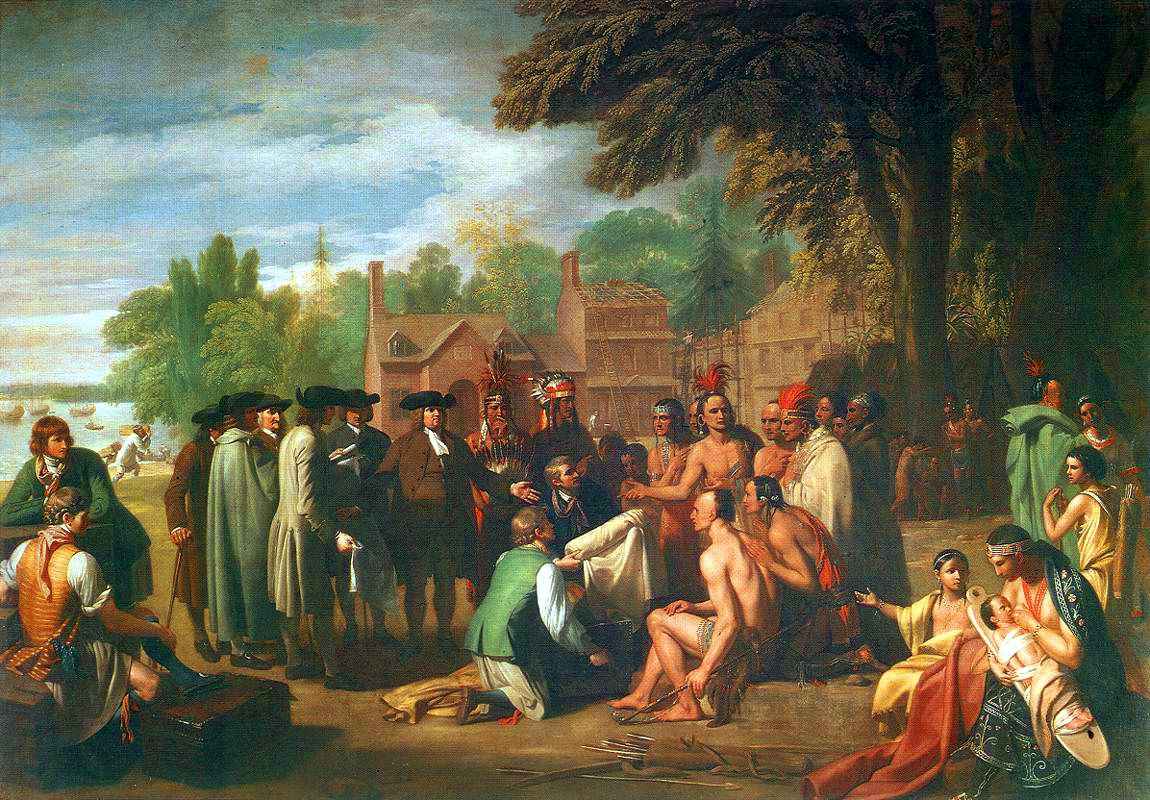
Contact, colonial pressures, and displacement. From the early 17th century Lenape communities experienced sustained contact with Dutch, Swedish and English colonists. Trade networks, the introduction of new goods, and exposure to Eurasian diseases all affected Lenape society. European land claims, expanding settlement, and a succession of treaties and agreements — often contested or misunderstood by different sides — led to displacement for many communities. Over the course of the colonial and early United States periods, significant numbers of Lenape people moved or were removed from their homelands and relocated in stages to areas farther west or north.
Historic subgroups and regional distinctions. Within the broader Lenape grouping, regional subgroups and dialect communities developed distinct identities. Terms used by scholars and by the people themselves include Munsee, Unami and Unalachtigo to indicate overlapping cultural and speech regions. Historically these groupings reflected geographic differences across the mid-Atlantic and the lower Hudson Valley and shaped patterns of alliance and seasonal movement.
Modern communities and continuity. Today Lenape descendants and organized communities live in several regions beyond their ancestral homeland. Many Lenape people and their descendants reside in what are now the state of Oklahoma, parts of Wisconsin and in southern Ontario. Some communities use the name Delaware in English, and a number of federally and provincially recognized and unrecognized groups maintain cultural institutions, ceremonial life and genealogical continuity. Contemporary Lenape communities work to preserve language, customary practices and legal rights while engaging with state and national governments on recognition and heritage issues.
Revitalization, education and public history. Language and cultural revitalization efforts have grown in recent decades. Programs range from community classes in Munsee and Unami dialects to cultural events, documentation projects, and museum collaborations that aim to teach younger generations and inform the public. Scholarly research, community archives and partnerships with educational institutions support efforts to record traditions, oral histories and material culture while respecting community protocols.
Continuing significance. The Lenape remain an important presence in regional history and contemporary life across the mid-Atlantic and in the places where descendants now live. Issues of cultural preservation, land and treaty histories, and political recognition continue to be active concerns for Lenape people and for scholars, policymakers and local communities interested in the shared history of the region.
Image gallery
9 Images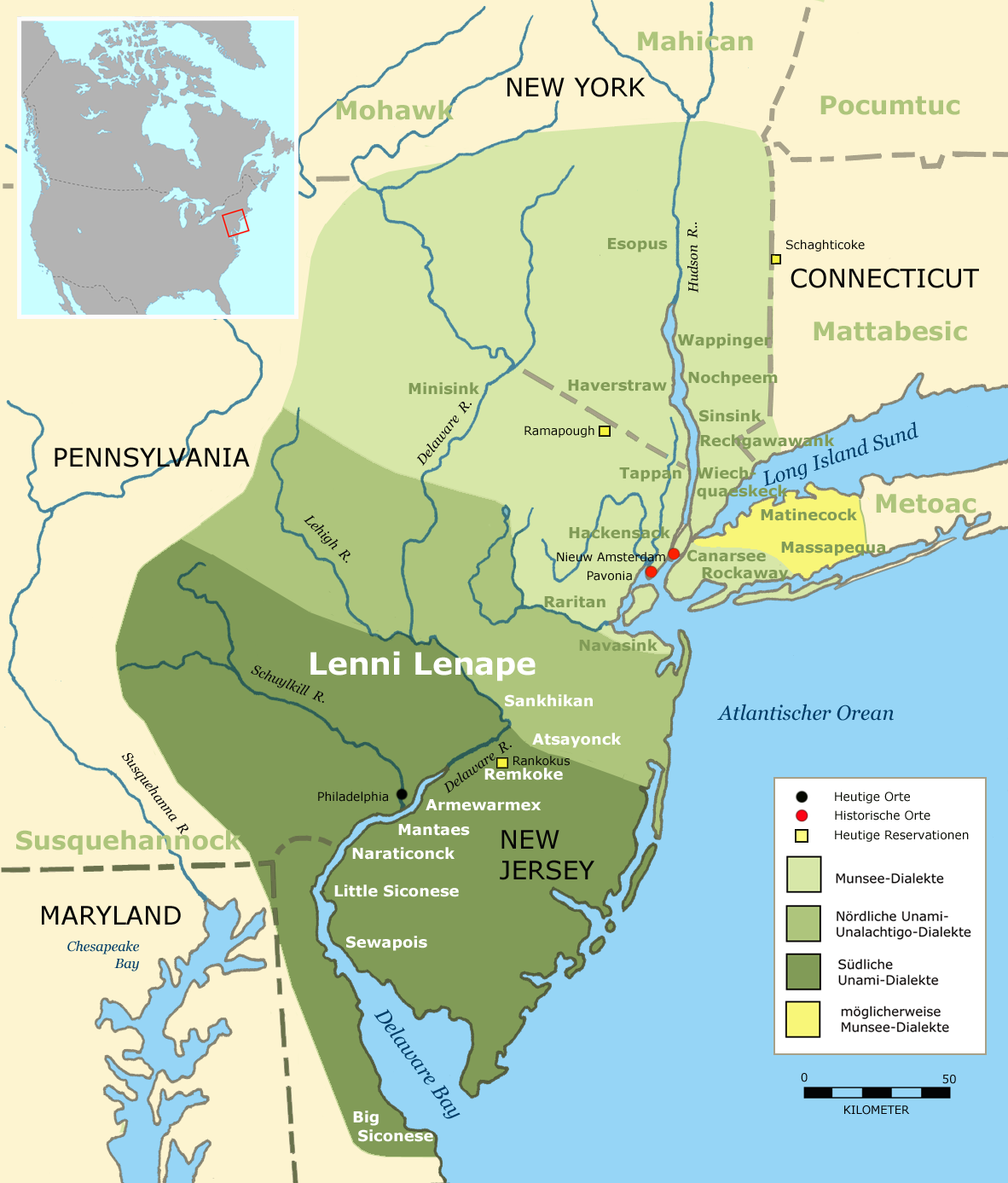





Related topics and resources
- Native American identity and terminology
- Cultural traits and traditional practices
- Linguistic classification within Algonquian
- Delaware as an alternate name used by Europeans
- Pennsylvania and historic Lenape settlements
- Delaware River and watershed connections
- Hudson River and coastal trade routes
- U.S. states containing parts of Lenapehoking
- New Jersey sites and place names
- Southeastern New York Lenape heritage
- Lower Hudson Valley historical interactions
- Oklahoma communities of Lenape descendants
- Wisconsin locations with Lenape families
- Ontario and Munsee-Delaware communities
Related articles
Author
AlegsaOnline.com Lenape (Delaware): people, language, territory and history Leandro Alegsa
URL: https://en.alegsaonline.com/art/57125