
Lozi people: history, culture and society of Barotseland's community
An overview of the Lozi people: their language (Silozi), region in western Zambia, social structure, history of the Barotse kingdom, economy, and notable cultural ceremonies.
Overview
The Lozi are a Bantu-speaking ethnic community primarily found in western Zambia, historically associated with the region known as Barotseland. Many Lozi speak Silozi as a common language and identify with a shared cultural heritage. Their homeland is centered on the floodplain of the Zambezi and its seasonal dynamics have strongly shaped Lozi life and institutions. For regional context see western Zambia and linguistic information at Silozi language.
Image gallery
4 Images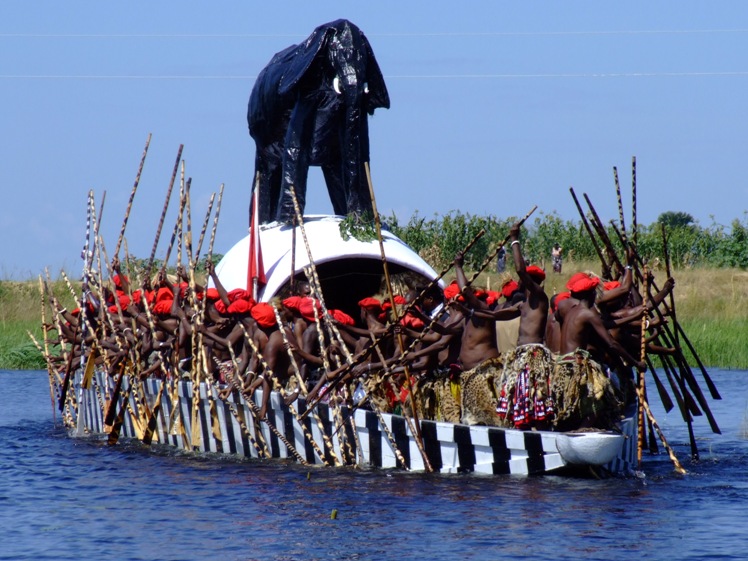


Language and identity
Silozi serves as a lingua franca for the Lozi and several neighbouring groups, blending local dialects and historical influences. Ethnic identity is tied to clan membership, matrilineal and patrilineal ties, and participation in communal rituals. The term "Lozi" itself is used both for the people and, in broader usage, for the cultural and political institutions of the region.
History and political structure
The Lozi formed a centralized kingdom historically known as Barotseland. Its traditional ruler, called the Litunga, remains a prominent cultural figure. Over centuries the kingdom absorbed various communities through alliances and conquest, adapting to trade and colonial encounters while maintaining distinctive institutions centered on the royal court and seasonal governance.
Economy and environment
Lozi livelihoods traditionally combine cattle-keeping, fishing, floodplain agriculture and seasonal migration. The annual flooding of the Zambezi plain governs planting cycles, fishing patterns and settlement movement. Cattle are a key store of wealth and a focus of social exchange such as bridewealth and ceremonies.
Ceremonies and cultural life
One of the best known public events is the Kuomboka, a seasonal royal ceremony marking the Litunga's movement to higher ground at the start of the floods. Music, drumming, canoe processions and dress convey status and community continuity. Oral history, proverbs and craft traditions sustain cultural memory.
Notable distinctions
- Geographic adaptation: deep reliance on floodplain ecology shapes customs and political timing.
- Monarchical tradition: the Litunga remains a cultural symbol even as modern governance operates through national institutions.
- Linguistic role: Silozi functions as both ethnic language and regional lingua franca.
Today the Lozi maintain a mix of traditional and contemporary practices, participating in national life while preserving ceremonies and social networks that link clans, chiefdoms and the historic monarchy.
Related articles
Author
AlegsaOnline.com Lozi people: history, culture and society of Barotseland's community Leandro Alegsa
URL: https://en.alegsaonline.com/art/59629