
Delaware River: Geography, History, and Uses
Major river of the northeastern United States. Rises in the Catskills and flows about 280 miles to Delaware Bay, forming state borders and supporting cities, ecosystems, commerce and recreation.
Overview
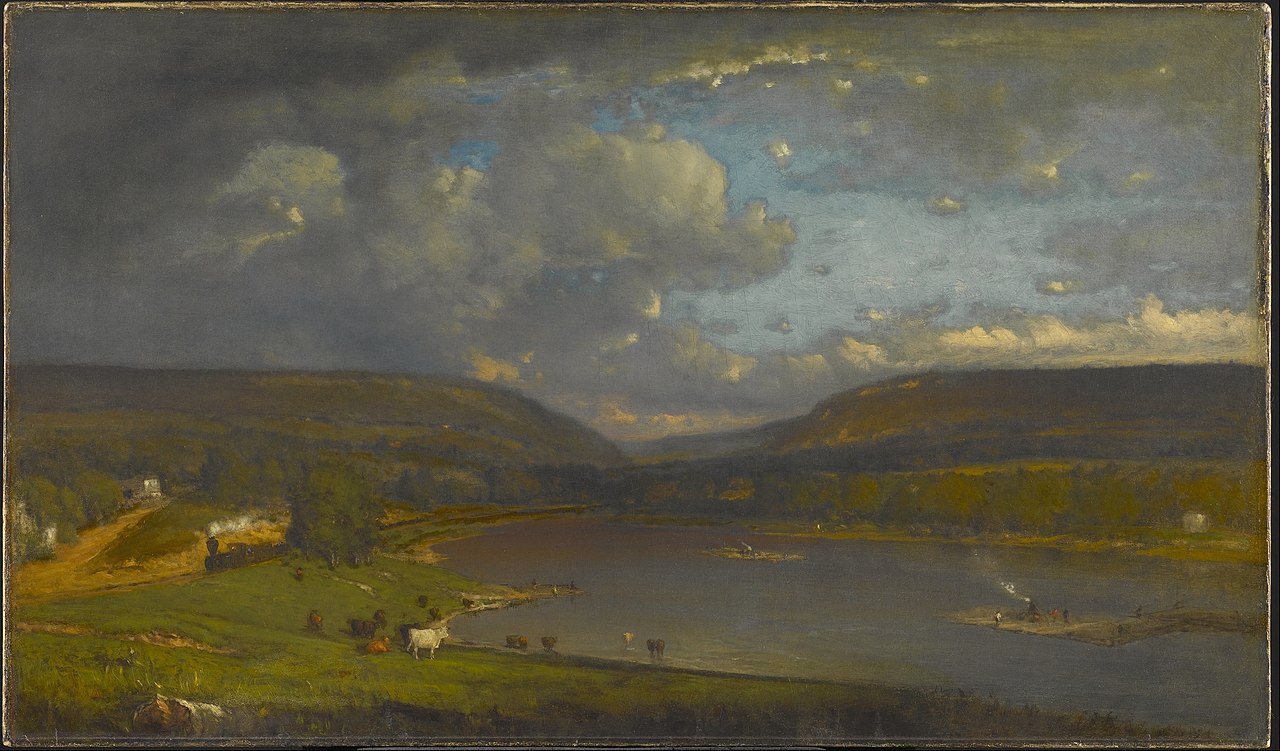
The Delaware River is a principal watercourse in the northeastern United States. Roughly 280 miles (about 450 km) long, it rises in the Catskill Mountains of southeastern New York and flows southward to the Atlantic Ocean through Delaware Bay. The lower reaches form a tidal estuary before meeting the ocean. Along its route the river shapes regional geography, supplies water, and has been central to settlement and commerce for centuries. More on the river.
Image gallery
10 Images




Course, watershed, and borders
The river's headwaters begin in upland terrain and it travels through a mix of rural valleys, suburban corridors, and urban centers. Large parts of the Delaware serve as political boundaries: between New York and Pennsylvania in the upper reaches, between Pennsylvania and New Jersey farther downstream, and between Delaware and New Jersey near the bay. The Delaware River Basin encompasses a broad drainage area that supports forests, farms, towns and coastal wetlands. Regional overview and the Catskills are central to its flow source region.
Tributaries and cities
The river is fed by numerous tributaries that add to its volume and ecological complexity. Among the better known are the Lehigh and the Schuylkill rivers, which join the Delaware in its middle reaches. The river corridor is home to important population centers and ports; Philadelphia and Trenton developed on its banks because of navigation and industry and remain economically and culturally linked to the waterway. The river touches multiple states including Pennsylvania, New Jersey, and Delaware. Historic river cities such as Trenton and Philadelphia illustrate its urban importance.
History and name
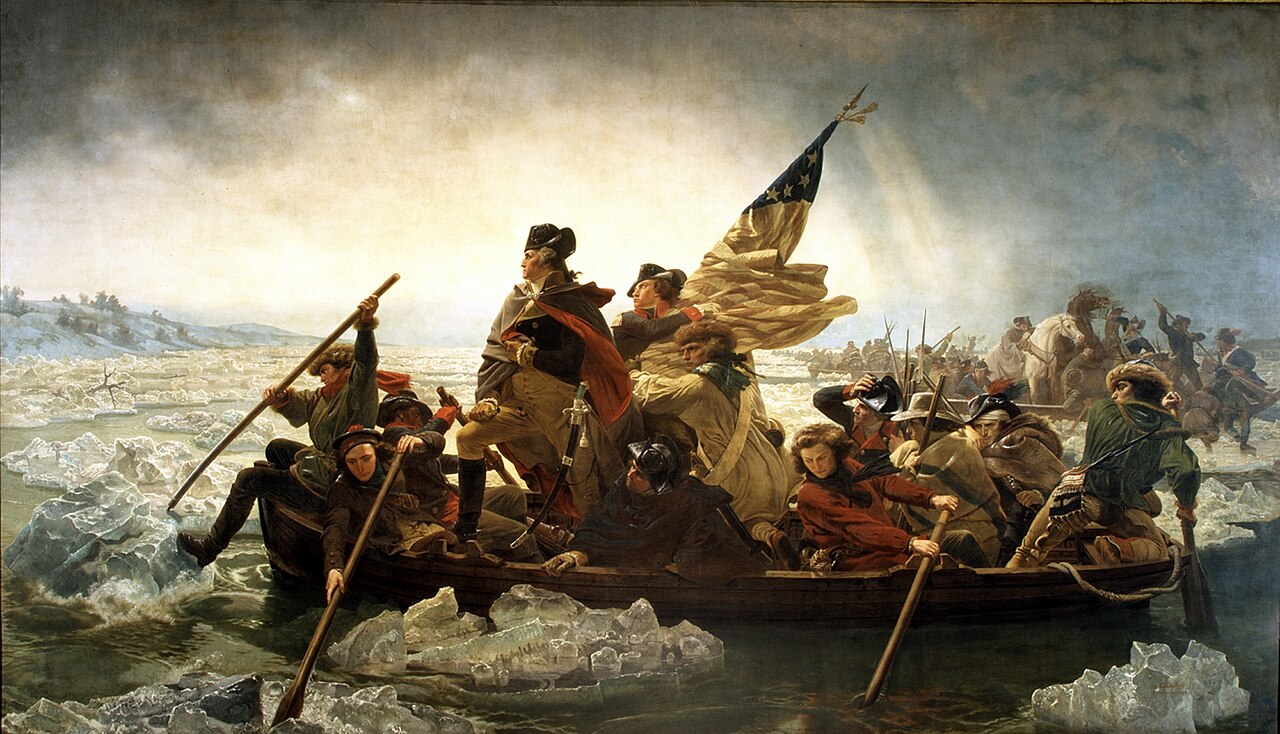
Indigenous peoples lived along the Delaware for thousands of years before European contact. During the colonial era the waterway acquired its present English name in honor of Thomas West, 3rd Baron De La Warr, an early colonial governor; older maps and accounts also record other local names. Over time the river has figured in transportation, commerce, and military strategy, shaping settlement patterns and regional development. Historical notes.
Uses, ecology, and management
The Delaware River supplies drinking water to millions of people, supports commercial shipping in its lower reaches, and provides habitat for fish, birds and other wildlife. Recreational activities such as boating, fishing and paddling are common. Environmental challenges—pollution from urban and industrial sources, habitat alteration, and the effects of dams and development—have led to interstate cooperation and management efforts to protect water quality and restore ecosystems. Contemporary stewardship seeks to balance human uses with conservation needs.
Notable facts and distinctions
- The river links upland forests in the Catskills with coastal habitats in Delaware Bay, creating a range of ecological zones.
- Its approximately 280-mile length makes it a major regional waterway but not one of the continent's longest rivers.
- Because it forms state boundaries, the Delaware has been the focus of legal agreements and cooperative management among neighboring states.
Related articles
Author
AlegsaOnline.com Delaware River: Geography, History, and Uses Leandro Alegsa
URL: https://en.alegsaonline.com/art/26369