
Leopard cat (Prionailurus bengalensis)
A small wild Asian felid with spotted coat and wide distribution across South, Southeast and East Asia; variable subspecies and adaptable behavior, globally Least Concern but locally threatened.
The leopard cat (Prionailurus bengalensis) is a small wild felid native to much of Asia. It resembles a domestic cat in size but typically has longer legs and a more slender body; it is named for the dark spots and rosettes that mark its fur. The species occupies a wide range of habitats and is generally considered of lower conservation concern at the global scale, although local populations can decline from habitat loss and hunting. For a concise species overview see overview and for regional information consult distribution summaries and material about Asian small cats.
Image gallery
10 Images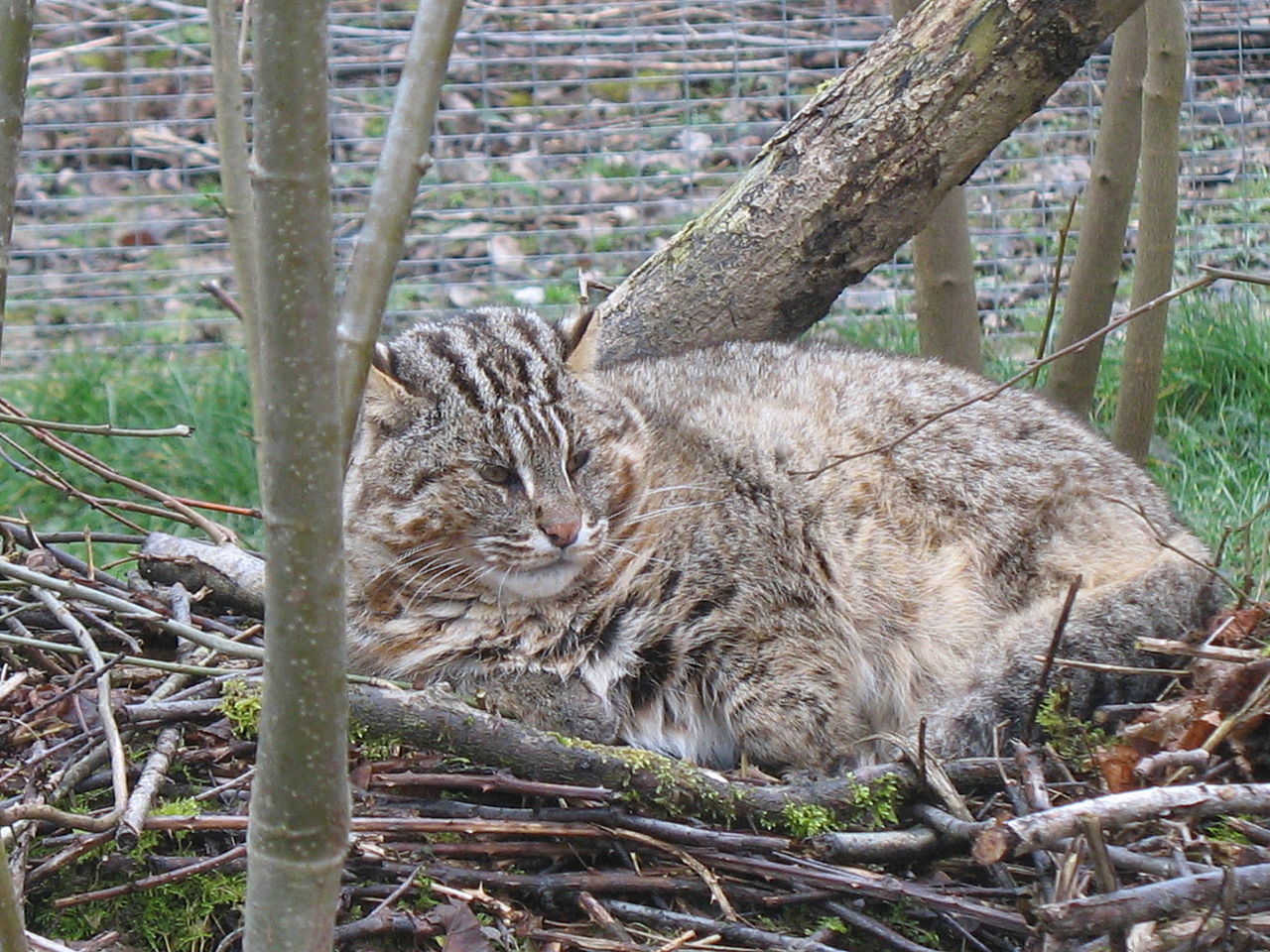



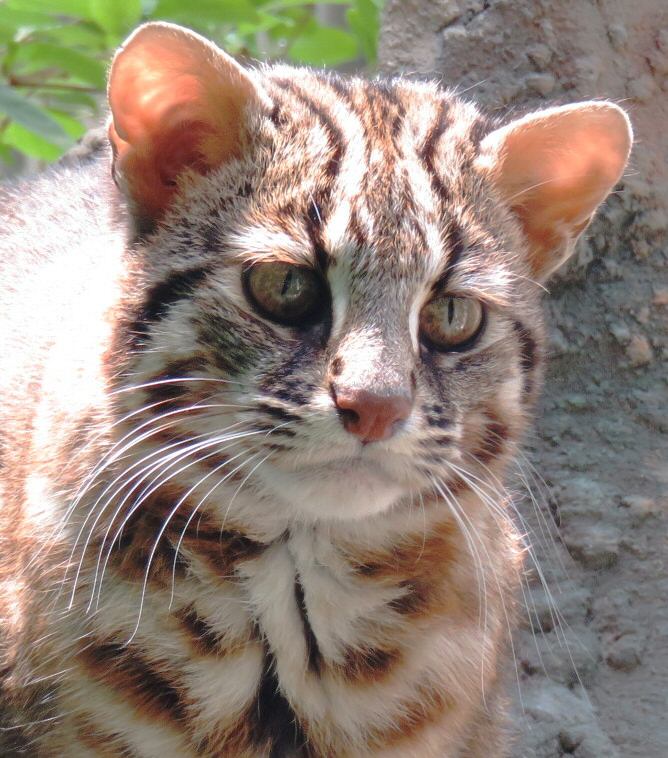
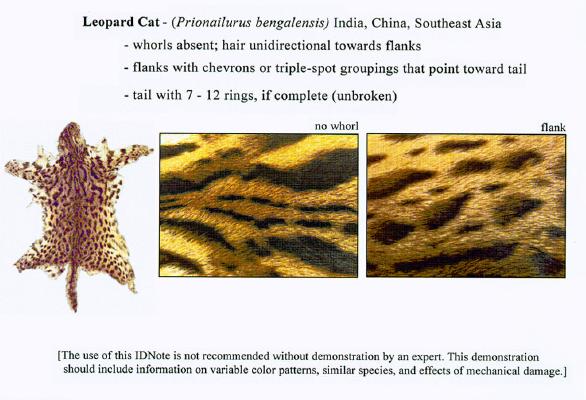

Physical characteristics
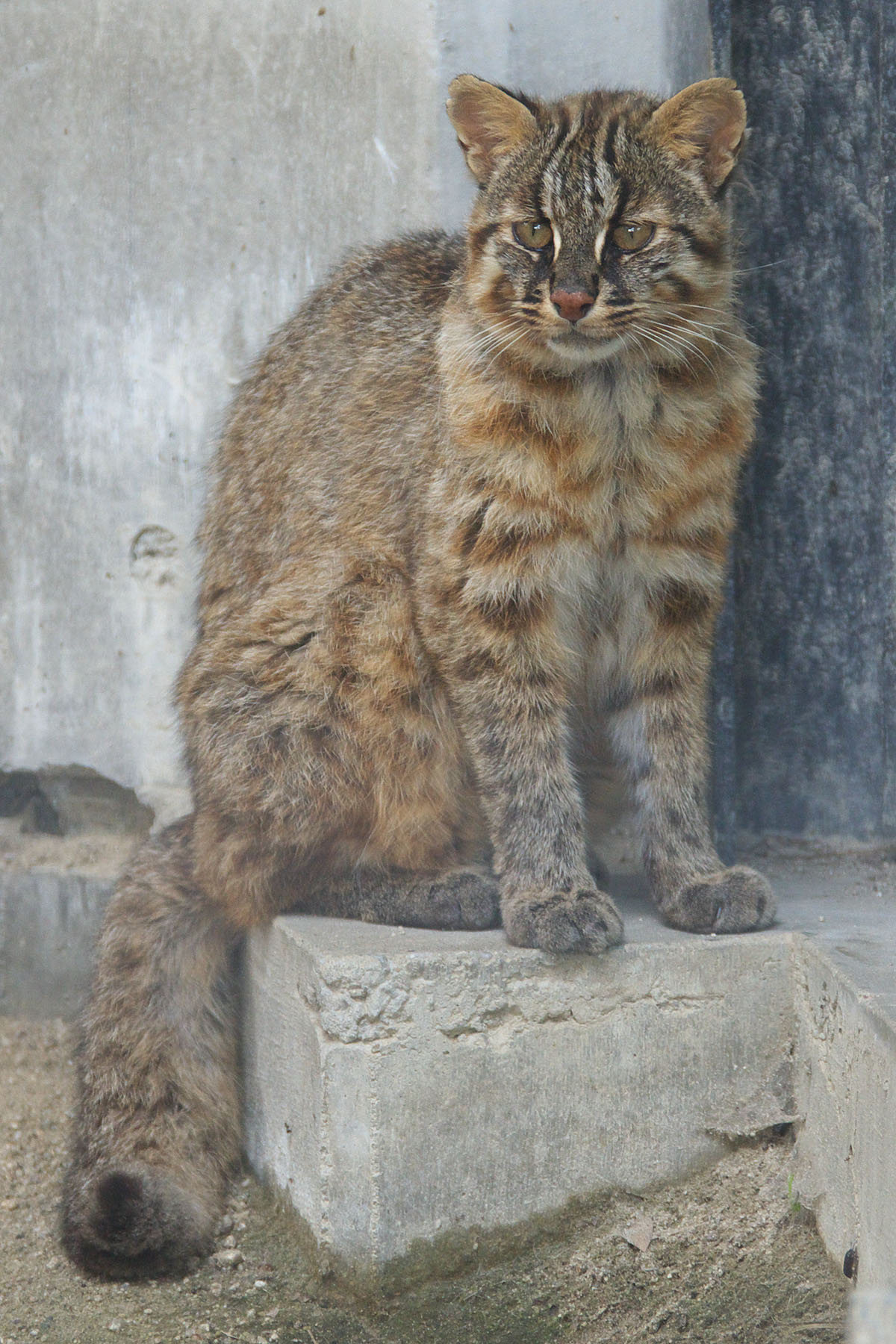
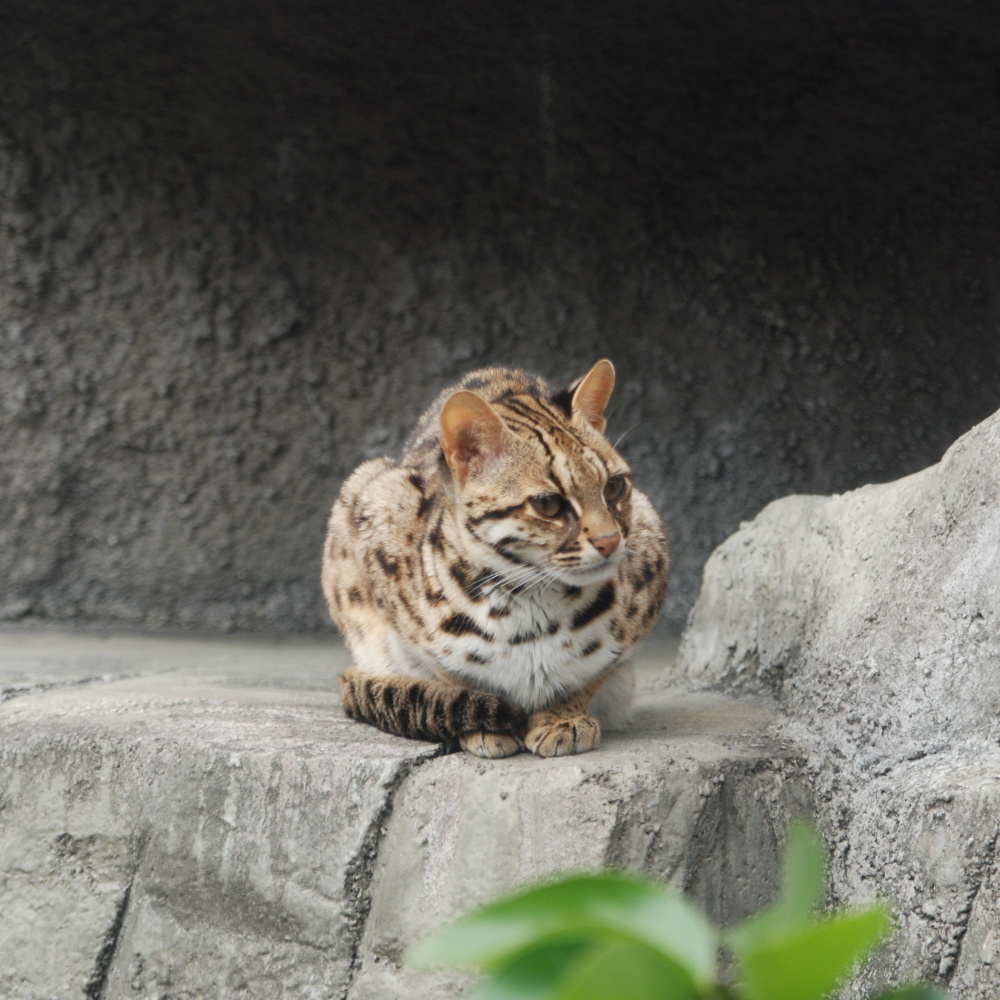
Appearance varies markedly across the species. Typical traits include a small head, long legs relative to body size, a long tail and a coat patterned with spots, rosettes or streaks. Northern and island populations often exhibit different color tones and sizes, which has led researchers to recognize multiple subspecies. Common distinguishing features:
- Coat pattern: from dense spotting to larger rosettes; background color ranges from pale yellow to grey-brown.
- Size: similar to or slightly larger than many housecats, but proportions may differ by region.
- Adaptations: dentition and musculature suited to a diet of small vertebrates.
Range and habitat
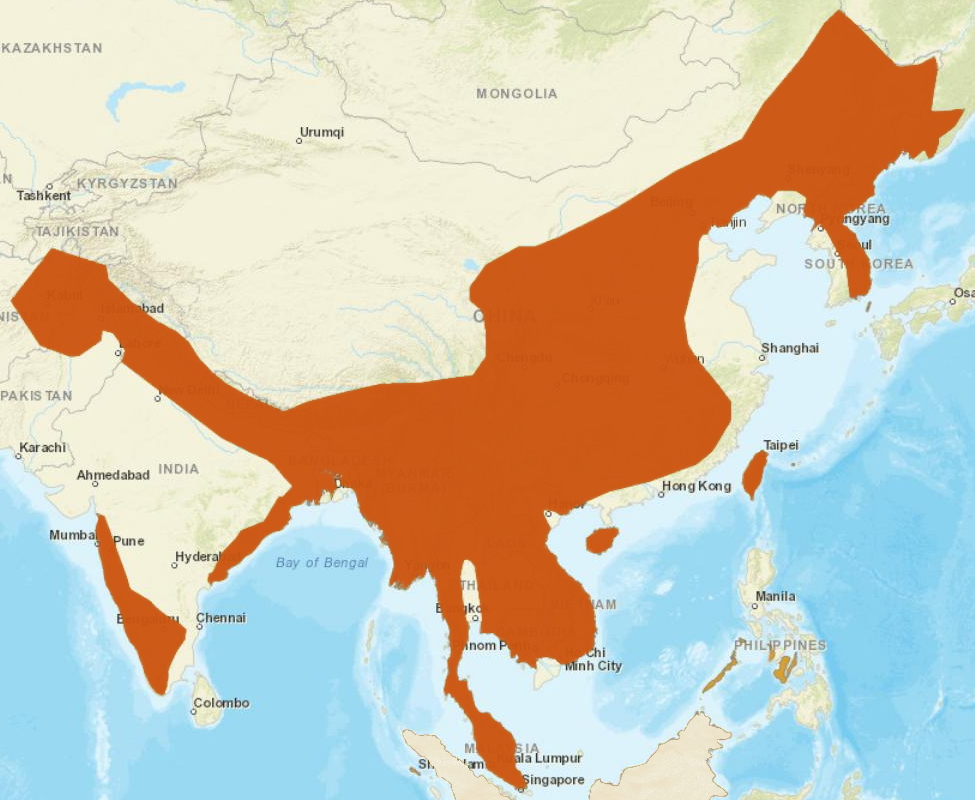
Leopard cats are found across South, Southeast and East Asia, occupying forested areas, wetlands, reed beds, scrubland and agricultural edges. They tolerate fragmented landscapes better than some larger carnivores and use a mixture of ground cover and trees for hunting and shelter. Lists of recognized subspecies and their distributions are provided in reference compilations such as the subspecies list.
Behavior, diet and reproduction
These cats are primarily nocturnal and largely solitary. Their diet is opportunistic: small mammals (especially rodents), birds, frogs, reptiles and occasionally insects. Breeding seasons vary with latitude; females raise small litters in concealed dens and juveniles disperse as they mature. Field studies and monitoring results are published through conservation and science outlets like conservation sources and academic research portals.
Conservation and human interactions
Although the species is assessed as of relatively low global risk, threats include habitat conversion, snaring and roadkill in parts of its range. Leopard cats have also been bred with domestic cats in controlled programs to produce hybrid companion breeds; information on such hybridization appears in breed and management resources such as domestic hybrid info. Conservation efforts focus on habitat protection, reducing direct persecution and improving population monitoring to identify local declines.
Questions and answers
Q: What is the common name of Prionailurus bengalensis?
A: The common name of Prionailurus bengalensis is leopard cat.
Q: Where can one find the leopard cat?
A: The leopard cat is widely distributed in South and East Asia.
Q: How is the leopard cat different from the domestic cat?
A: The leopard cat is similar to the domestic cat but has longer legs.
Q: What is the IUCN ranking of the leopard cat since 2002?
A: Since 2002, the leopard cat has been listed as least concern by IUCN.
Q: Why is the leopard cat sometimes hunted?
A: Habitat loss and hunting occurs in places where the leopard cat is distributed.
Q: How many leopard cat subspecies are there?
A: There are twelve leopard cat subspecies, which differ widely in appearance.
Q: Is the leopard cat closely related to the leopard?
A: No, the leopard cat is not closely related to the leopard, but it has leopard-like spots.
Related articles
Author
AlegsaOnline.com Leopard cat (Prionailurus bengalensis) Leandro Alegsa
URL: https://en.alegsaonline.com/art/57245
Sources
- bucknell.edu : "Order Carnivora"
- google.com : Mammal Species of the World
- worldcat.org : 62265494
- iucnredlist.org : "Prionailurus bengalensis"
- wcn.org.np : Leopard Cat found at 4500m
- books.google.com : Mammals of the Soviet Union. Vol III: Carnivores (Feloidea).