
Lemur: Madagascar's endemic primates
Lemurs are a diverse group of primates native to Madagascar. This article covers their biology, evolution, behavior, threats, and why they are important to ecosystems and conservation.
Overview
Lemurs are a group of primates traditionally classified as primates and more specifically as prosimians, a grade that includes some of the most primitive living primates. They are not monkeys and are best known for their varied appearances, from tiny mouse-like species to larger, long-limbed forms. The name "lemur" comes from the Latin lemures, meaning "ghosts" or "spirits", a reference to their reflective eyes and nocturnal calls.
Image gallery
10 Images




Physical characteristics and diversity
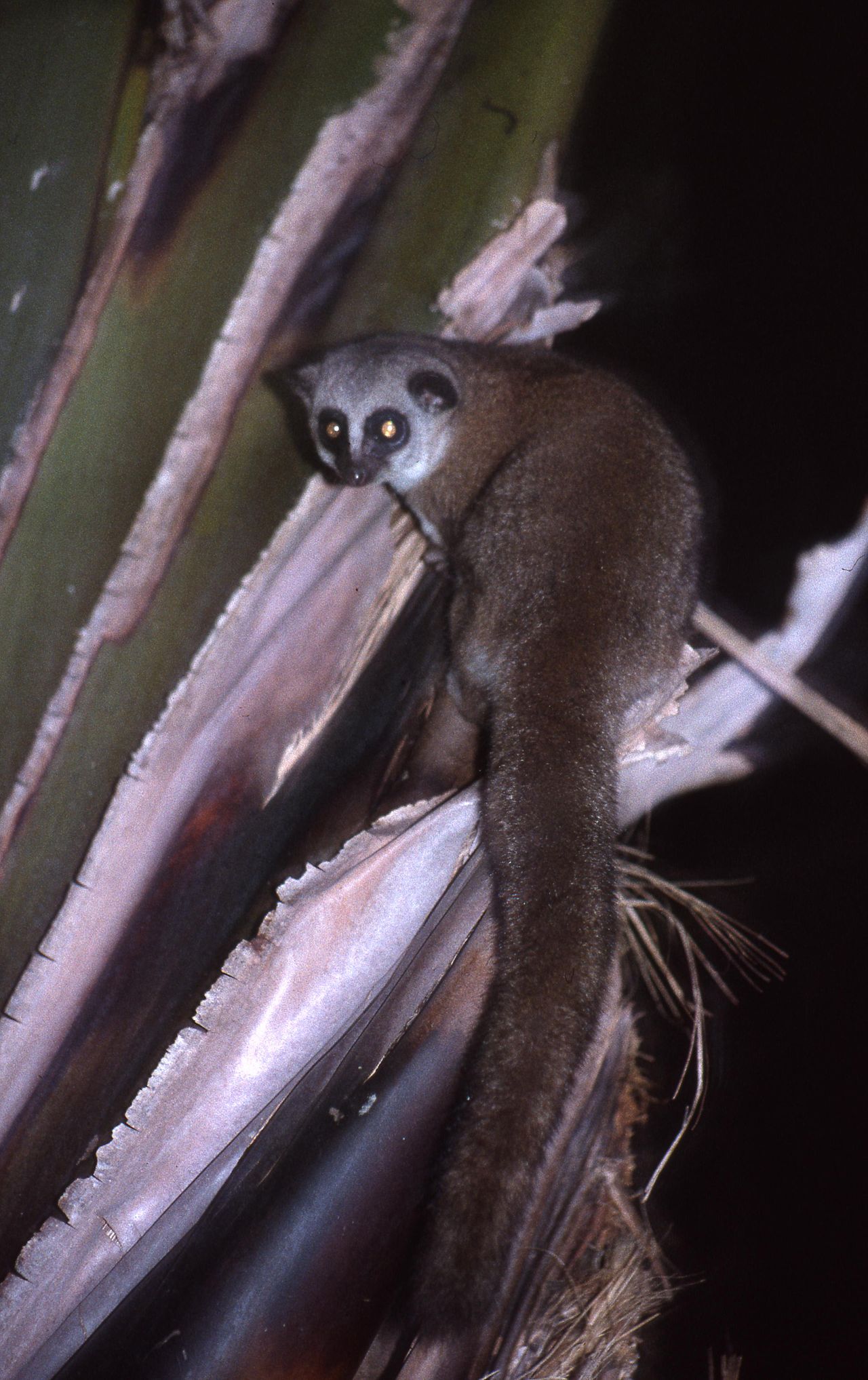
Lemurs vary greatly in size and shape. Body mass ranges from the very small, weighing only about 30 g, to larger forms that reached sizes near 10 kg in the recent past. Modern diversity includes roughly fifteen genera and close to a hundred described species, although these numbers change as taxonomists apply different species concepts. Contemporary lemurs are usually categorized into eight broad family groups and a number of recognizable types such as mouse and dwarf lemurs, sportive lemurs, woolly lemurs, indri and sifakas, ruffed lemurs, bamboo lemurs, and the distinctive aye-aye (the genus often treated separately).
Evolution and geographic origin
Lemurs are endemic to the island environment of Madagascar and a few nearby isles such as the Comoros. They reached Madagascar after it separated from other landmasses that once formed part of the southern supercontinent Gondwana, which also included parts of Africa and India. Isolated evolution on the island produced a radiation of forms occupying ecological niches elsewhere filled by monkeys and other mammals. Fossil and molecular evidence indicate that many now-extinct, larger-bodied lemurs disappeared after humans arrived on Madagascar.
Behavior and ecology
Activity patterns among lemurs range from nocturnal to diurnal behaviors; many of the smaller species are primarily nocturnal while several of the larger species were (and some still are) diurnal. Social systems vary widely: some species live in solitary territories, others form small family groups or larger social aggregations. Diets include fruit, leaves, nectar, insects and, in the case of the aye-aye, specialized insectivory. Typical weights and life histories reflect adaptations to island environments and resource availability, with body mass and diel activity linked to ecological roles and predation risk.
Conservation status and threats
Nearly all lemur species are considered threatened to some degree and many are classified as endangered. The principal drivers of decline are habitat loss through deforestation, slash-and-burn agriculture, and fragmentation of remaining forest tracts, processes summarized under habitat destruction. Hunting and capture for the pet trade or local use have also affected populations in some areas; impacts intensified after human settlement and expansion across the island (human presence is a major historical factor). Conservation actions include protected areas, captive breeding, community-based management and scientific research aimed at stabilizing populations.
Distinctive facts and human connections
Lemurs are iconic for Madagascar's unique wildlife and are often used as flagship species for conservation. Although many large-bodied lemurs have become extinct following human colonization (larger species extinctions), the remaining diversity showcases adaptive evolution in isolation. Typical measurable traits include a wide weight range from small grams to multi-kilogram animals, flexible locomotion from arboreal leaping to slow climbing, and specialized feeding behaviors. Research and ecotourism provide economic incentives for protecting lemurs and their habitats while highlighting their role in seed dispersal, pollination and forest dynamics.
- Major groupings often discussed: mouse/dwarf lemurs, sportive lemurs, woolly lemurs, indriids (sifakas and indri), ruffed lemurs, bamboo lemurs, the aye-aye and others (familial overview).
- Distribution: native only to Madagascar and some adjacent islands (island endemism, Madagascar).
- Conservation links and resources: local initiatives, research projects and protected area networks (research, taxonomy, comparative primatology).
For readers seeking more technical or conservation-oriented sources, follow specialist literature and trusted organizations that focus on Madagascar's biodiversity and primate conservation. Continuing field study and strengthened habitat protection are central to ensuring lemurs persist as living representatives of Madagascar's ancient evolutionary heritage.
genera genus island Comoros Africa India Gondwana max mass extinct species humans activity threat status habitat threat
Questions and answers
Q: What are lemurs?
A: Lemurs are primates and prosimians, but they are not monkeys.
Q: What is the origin of the word "lemur"?
A: The word "lemur" comes from the Latin word lemures, which means "ghosts".
Q: How many families and species are lemurs divided into?
A: Lemurs are divided into eight families, with 15 genera and about 100 living species.
Q: Why is lemur classification controversial?
A: Lemur classification is controversial because it depends on which species concept is used.
Q: Where are lemurs native to?
A: Lemurs are native only to the island of Madagascar, although a few species got to smaller islands nearby, such as the Comoros.
Q: Why are lemurs endangered species?
A: Lemurs are endangered species because people destroy their habitat and used to hunt them, and perhaps still do so.
Q: What happened to the larger species of lemurs?
A: Larger species of lemurs have all become extinct since human groups moved to Madagascar. Usually, the smaller lemurs are active at night (nocturnal), and the larger ones were active during the day (diurnal).
Related articles
Author
AlegsaOnline.com Lemur: Madagascar's endemic primates Leandro Alegsa
URL: https://en.alegsaonline.com/art/57114