
LEGO: history, design, uses, and cultural impact
LEGO is a system of interlocking plastic construction pieces and themed sets created by the Danish LEGO Group; it spans play, education, engineering and a global fan culture.
LEGO (stylized as LEGO) is a system of plastic construction elements that can be combined to make models, machines and scenes. Originally produced by a Danish toy company founded in the 1930s, LEGO evolved from simple wooden toys to a standardized set of molded bricks with a distinctive stud-and-tube connection. The system encourages creative play and problem solving: users plan, build and modify constructions using a shared vocabulary of parts.
Image gallery
10 Images




Design, parts and compatibility
The basic LEGO unit is the brick: a hollow plastic block with studs on top and tubes or receptacles below that allow parts to interlock securely. Over time the range expanded to include plates (thin bricks), tiles (flat, studless pieces), slopes, hinges, wheels, axles, gears and specialized printed elements. The familiar minifigure — a small articulated human figure — became an iconic element of many sets. Technic elements add beams, pins and gears for more advanced mechanical functions. Most modern bricks are made from acrylonitrile butadiene styrene (ABS) or similar plastics, chosen for durability and consistent clutch power. A key feature of the system is backward and forward compatibility: parts designed decades apart generally connect with predictable fit and function.
History and development
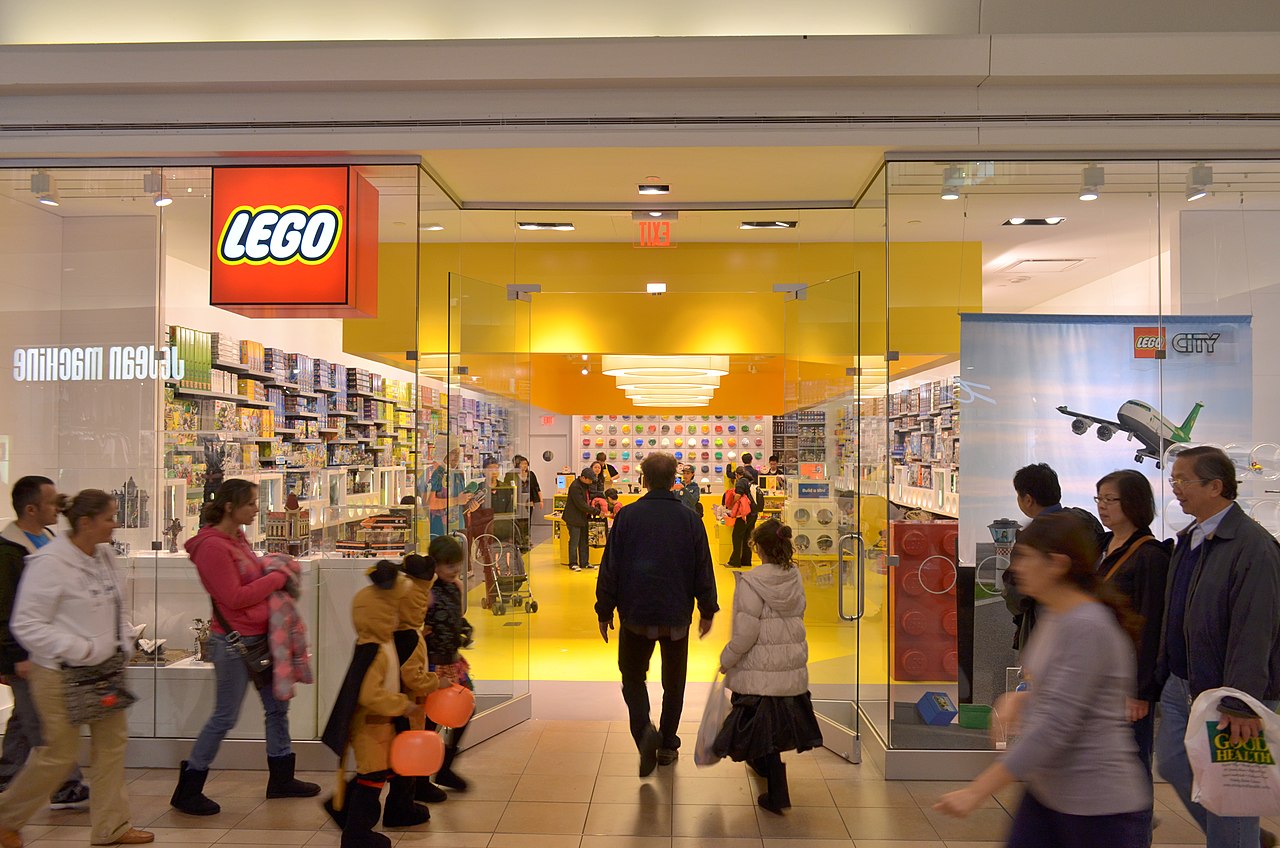
The company that produces LEGO originated in Denmark and began as a small toy maker in the early 20th century. It transitioned to plastic molding in the mid-20th century and standardized the modern brick connection that defined the system. Over subsequent decades the firm introduced themed product lines, minifigures and specialized sub-systems such as Technic for engineering-focused models and Mindstorms for programmable robotics. The brand expanded into licensed collaborations, video games, films and retail experiences, turning a simple construction toy into a broad cultural and commercial phenomenon.
Uses, education and community
Beyond play, LEGO has been used in informal learning, classroom activities and formal competitions. Educators often deploy bricks to teach spatial reasoning, mathematics and engineering concepts; robotics sets and curricula support programming and problem-based learning. Adult fans organize locally and online, share custom creations, attend conventions and participate in collaborative builds. Competitions and community initiatives range from school robot leagues to large public displays and charity projects.
Notable features and distinctions
- Modularity: a consistent connection system lets parts be reused across sets and generations.
- Themed storytelling: sets often package bricks into narrative contexts, from cityscapes to licensed franchises.
- Collector and builder cultures: some adults collect rare sets, while others design original models and publish instructions.
- Safety and standards: bricks are designed to meet toy safety regulations and maintain dimensional precision.
LEGO's influence extends into design, education and popular culture. It demonstrates how a well-engineered, simple system of parts can support open-ended creativity, structured learning and a global hobbyist community. The brand continues to evolve with new materials, digital tools and collaborative platforms while maintaining the basic interlocking brick principle that made it widely recognizable.
Further resources
Official and community resources provide more detail on history, building techniques and events: Company overview, historical background, design and materials, building guides, educational programs, fan conventions, competition information, collecting and care, licensed themes and creative community projects.
Questions and answers
Q: What is LEGO?
A: LEGO is a type of building toy created and made by The Lego Group, a company from Denmark.
Q: What are LEGO bricks made of?
A: LEGO bricks are colorful plastic building blocks.
Q: How are LEGO bricks joined together?
A: LEGO bricks are joined together by studs on the top and holes in the bottom of the brick commonly known as the brick-and-knob connection.
Q: Who started the LEGO Group?
A: The LEGO Group was started by Ole Kirk Christiansen, a Danish toy maker, in 1935.
Q: What can be built with LEGO bricks?
A: Vehicles, buildings, and even robots can all be built with LEGO bricks.
Q: Can new LEGO bricks fit with old LEGO bricks?
A: Yes, new bricks made today can fit with old bricks made years ago. The bricks can join together no matter which set they come from.
Q: Why is LEGO so popular?
A: LEGO is the most popular building toy in the world and is known and loved by people around the world, kids and adults alike. There are millions of LEGO fans and many LEGO conventions around the world.
Related articles
Author
AlegsaOnline.com LEGO: history, design, uses, and cultural impact Leandro Alegsa
URL: https://en.alegsaonline.com/art/57009
Sources
- lego.com : lego.com/
- articles.timesofindia.indiatimes.com : "Who invented Lego bricks?"
- starwars.com : "E3 2019: LEGO Star Wars: The Skywalker Saga Coming in 2020"